Credit: Shutterstock
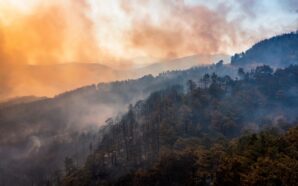
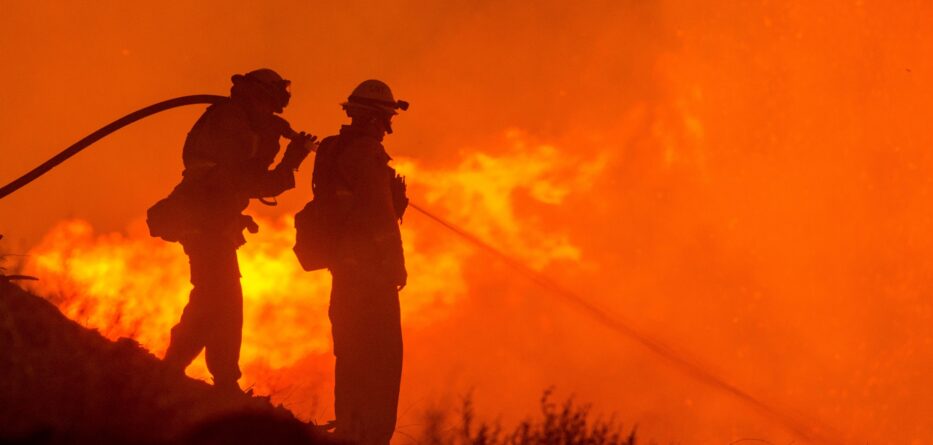
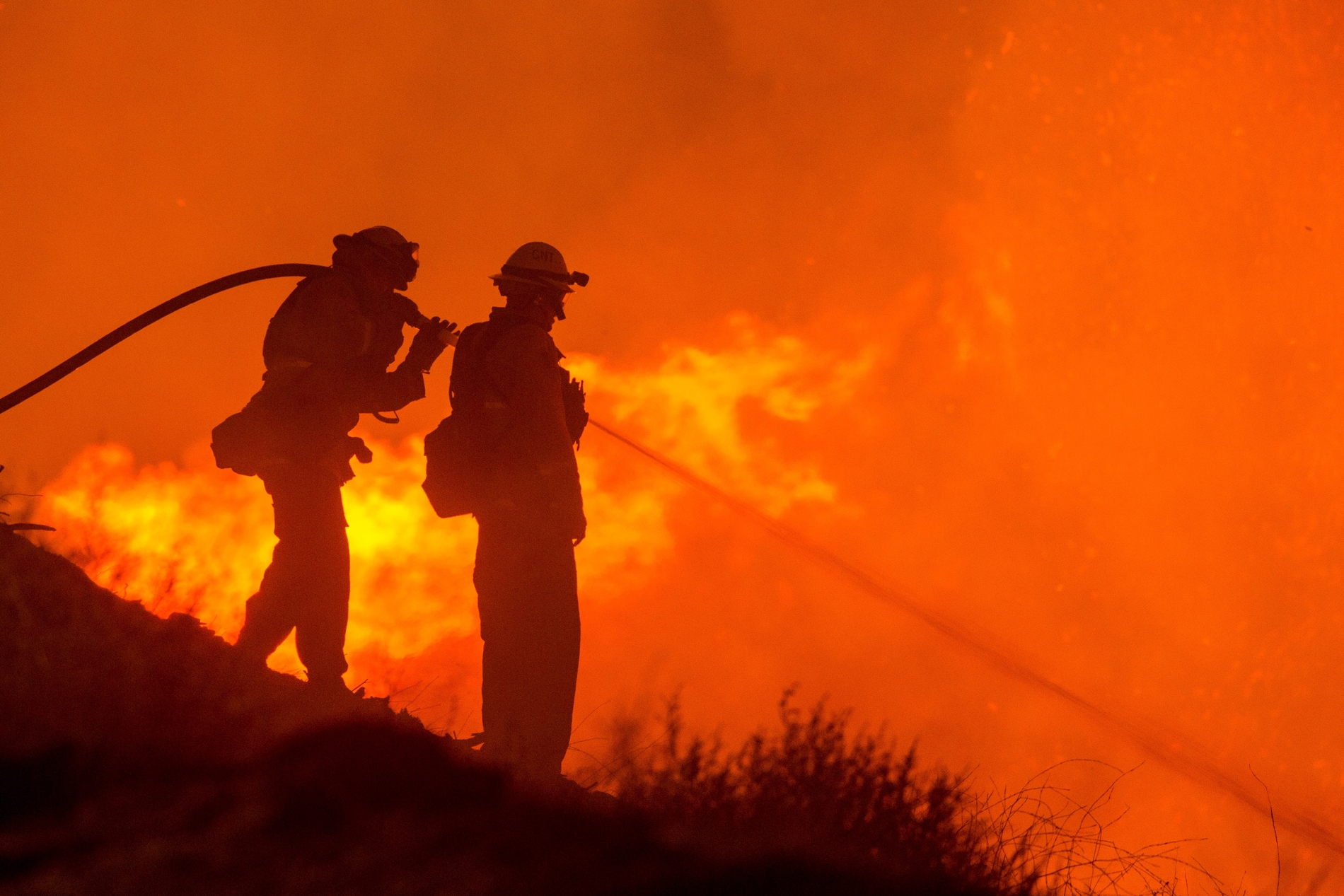
Wildland firefighters across the United States are facing another demanding fire season, with federal agencies operating at Preparedness Level 5 during periods of particularly intense activity.
The highest national preparedness level signals that firefighting resources are heavily committed and that new large fires could place additional pressure on crews, aircraft, equipment, and emergency management systems.
What Preparedness Level 5 Means
The National Multi-Agency Coordinating Group uses preparedness levels to indicate the amount of wildfire activity occurring across the country and the resources required to respond.
Level 5 represents the most serious category. At this stage, multiple geographic areas may be experiencing major incidents while national resources are already heavily committed.
It doesn’t mean every western state is facing the same level of danger. Instead, it reflects the overall strain on the country’s wildfire response system.
Firefighters Face a Difficult Season
Wildland firefighting is physically demanding even during an average season. Crews can spend long shifts working in extreme heat, steep terrain, heavy smoke, and rapidly changing fire conditions.
During particularly active periods, those pressures increase as firefighters move between incidents and agencies compete for experienced personnel, aircraft, engines, and specialized teams.
Burn injuries are an especially serious concern because firefighters may work close to active flames while dealing with shifting winds and unpredictable fire behavior.
Staffing Remains a Major Challenge
Personnel shortages have added another layer of difficulty.
Federal agencies have faced ongoing challenges recruiting and retaining experienced wildland firefighters. The work is seasonal for many employees, physically exhausting, and can require long periods away from home.
When experienced firefighters leave, agencies don’t simply lose another person on a crew. They can also lose years of knowledge about fire behavior, emergency decision-making, terrain, equipment, and team leadership.
Replacing that experience takes time.
Western States Remain Vulnerable
Wildfire risk across the western United States is influenced by a complicated mix of weather, vegetation, drought conditions, lightning, human activity, and local landscapes.
Periods of extreme heat and dry vegetation can allow fires to spread rapidly once they begin. Strong winds can make conditions even more dangerous, sometimes changing the direction of a fire faster than crews can establish containment lines.
Communities near forests and grasslands can therefore face evacuation warnings with relatively little notice.
Firefighting Is Becoming More Complex
Modern wildfire response isn’t only about putting out flames. Agencies must coordinate evacuations, protect homes and infrastructure, manage aircraft, monitor weather, support injured personnel, and communicate with communities.
At the same time, crews must decide where limited national resources are needed most.
When several major fires burn simultaneously, those decisions become increasingly difficult.
A Longer-Term Workforce Question
The immediate priority during an intense wildfire period is protecting lives and controlling dangerous fires. But the staffing issue raises a longer-term question about how the United States maintains a sustainable wildland firefighting workforce.
Recruitment, retention, training, pay, working conditions, mental and physical health support, and access to protective equipment all form part of that discussion.
Preparedness Level 5 highlights the pressure of the current fire season, but it also shows why staffing matters long before the first major wildfire begins.
As fire conditions become more demanding, having enough trained and experienced people available may be just as important as having aircraft, engines, and technology ready to respond.


-
 A United Airlines flight faced a tense situation on Saturday evening when a passenger tried to get into the...
 -
A high-intensity security incident unfolded in Washington, D.C., on Saturday evening, drawing immediate attention and a swift law enforcement...
-
A routine military demonstration at Mountain Home Air Force Base in western Idaho took a dramatic turn over the...
-
A rare hantavirus outbreak linked to the M/V Hondius cruise ship has moved from a medical emergency at sea...
-
On April 1, the U.S. Supreme Court began hearing arguments in one of the year’s most high-stakes legal battles:...
-
A highly anticipated diplomatic summit between the United States and Iran in Islamabad collapsed before formal talks could even...
-
Todd Lyons, the acting director of U.S. Immigration and Customs Enforcement (ICE), announced that he will step down at...
-
On Sunday night, April 13, President Donald Trump ignited a major online controversy after posting an AI-generated image on...
-
The Springs Fire near Moreno Valley, California, which began on April 4, was brought under control quickly thanks to...
-
Over the weekend of March 28–29, large-scale “No Kings” protests took place across the United States, drawing millions of...
-
A powerful storm system swept across the Eastern United States beginning March 15 and continuing into March 16, bringing...
-
Ahead of Donald Trump’s second inauguration as President of the United States, Canadian experts expressed strong concerns about how...