

Credit: Shutterstock
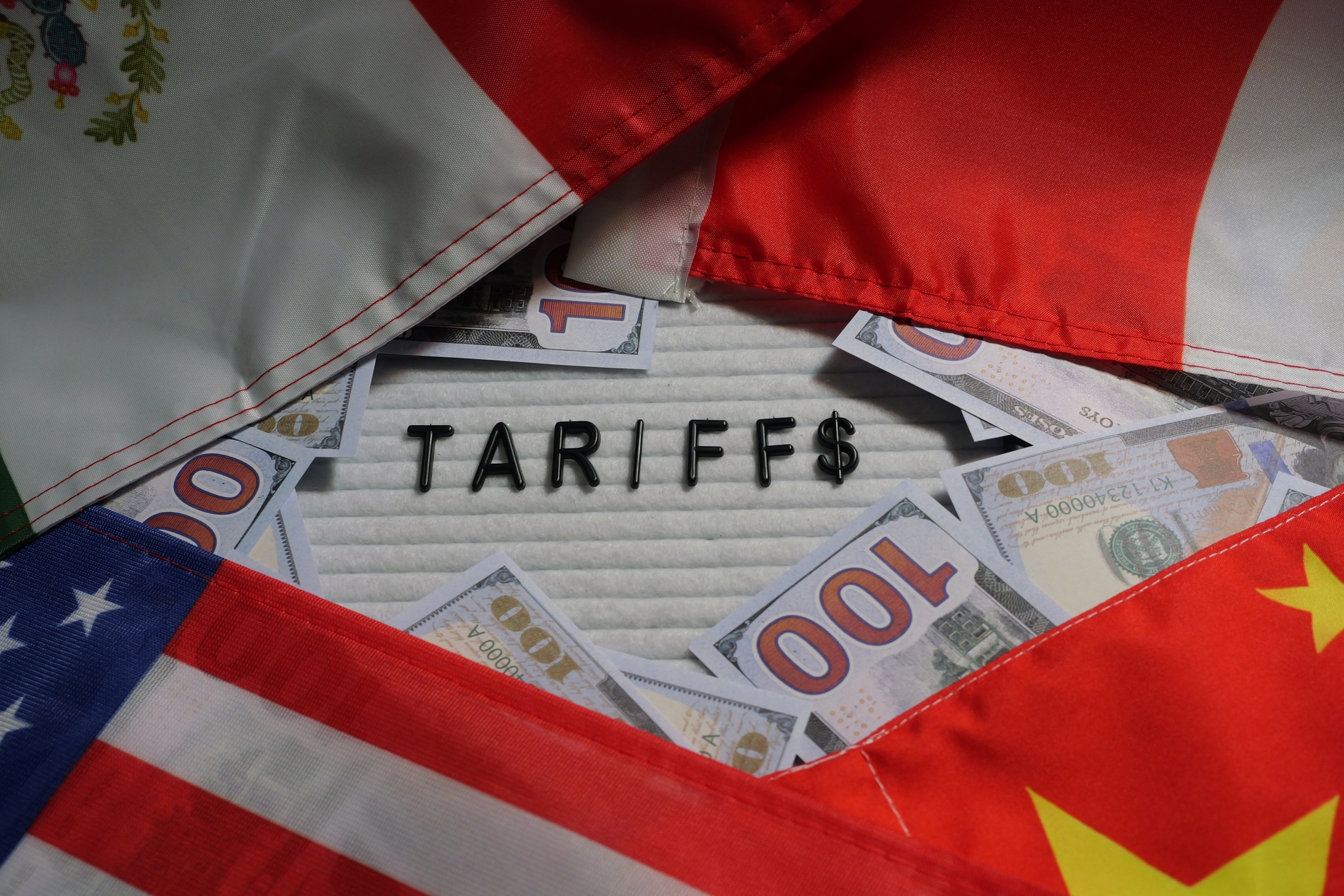
The United States has announced plans to introduce a 50% tariff on approximately $20 billion worth of Canadian imports, creating new tensions between the two closely connected trading partners. The proposed measures target key sectors including electrical equipment, industrial machinery, and raw materials. With the tariffs expected to take effect within 30 days, businesses on both sides of the border are preparing for possible changes in costs, supply chains, and trade operations.
Details of the Policy Announcement
The new tariff plan focuses on several important categories of Canadian goods entering the U.S. market. Electrical equipment, industrial machinery, and raw materials are among the sectors expected to be affected. These industries play a major role in cross-border commerce, with many companies relying on integrated supply chains between Canada and the United States.
The administration stated that the tariffs are intended to address what it described as ongoing unfair trade practices and non-tariff barriers affecting American manufacturers. Officials argued that these issues have created challenges for U.S. businesses competing in the international market.
Washington’s Trade Concerns
According to U.S. officials, the decision comes after continued concerns over trade conditions between the two countries. Washington cited what it called discriminatory practices that impact American companies and limit equal access to certain markets. The tariffs are being presented as a measure to encourage changes in trade policies and create what officials consider a more balanced relationship.
However, the move has raised questions about how effective tariffs will be in achieving these goals. Trade experts often debate whether higher import costs encourage policy changes or create additional challenges for businesses and consumers.
Canada Responds
Canadian officials and industry groups have strongly opposed the planned tariffs. They argue that the measures could harm both economies because Canada and the United States have deeply connected supply chains. Many companies operate across the border, with materials, components, and finished products moving between the two countries throughout the production process.
Canadian trade associations have warned that retaliatory tariffs could follow if the U.S. measures move forward. They believe a trade dispute could increase costs for businesses, disrupt manufacturing networks, and ultimately affect consumers through higher prices.
Impact on Businesses and Consumers
The potential effects of the tariffs extend beyond manufacturers. Companies that rely on imported equipment, materials, or components may face increased expenses. These additional costs could influence pricing decisions and investment plans.
Consumers may also feel the impact if businesses pass higher production costs onto customers. Industries connected to construction, technology, manufacturing, and energy could be especially sensitive to changes in import costs.
Broader Economic Effects
The U.S. and Canada share one of the world’s largest trading relationships, making any major policy shift significant. Cross-border industries have developed over decades, and even targeted tariffs can create wider economic effects. Businesses may need to review suppliers, adjust operations, or explore alternative strategies if uncertainty continues.
Looking Ahead
The next few weeks will be important as both governments evaluate their positions and consider possible responses. Negotiations, exemptions, or adjustments could influence how the tariffs are ultimately implemented.
For now, the announcement has created uncertainty across key industries. The situation highlights how closely connected the U.S. and Canadian economies are and how changes in trade policy can affect businesses, workers, and consumers across both countries.


-
 U.S. President Donald Trump hosted Chinese President Xi Jinping in Washington from September 23 to 25 for a three-day...
 -
Wildland firefighters across the United States are facing another demanding fire season, with federal agencies operating at Preparedness Level...
-
A quarter of a century has now passed since September 11, 2001. On September 11, 2026, Americans marked the...
-
The H-1B visa program is back at the center of the U.S. immigration and employment debate. A presidential proclamation...
-
The United States and Venezuela have entered a sweeping energy agreement that could reshape the relationship between the two...
-
The United States has temporarily stepped back from imposing new 50% tariffs on around $20 billion worth of Canadian...
-
The Boeing 737 MAX is facing another round of regulatory attention in the United States. The Federal Aviation Administration...
-
Federal authorities have launched investigations into a series of cyber intrusions targeting municipal water treatment facilities across several U.S....
-
Recent court documents released on July 20 show that federal investigators sought phone records belonging to several New York...
-
Washington entered a period of transition following the death of Republican Senator Lindsey Graham on Saturday, July 11. Graham,...
-
Following a tense weekend in the Strait of Hormuz, the U.S. carried out a significant wave of airstrikes targeting...
-
Things in the Middle East have taken another sharp turn. A recently mediated ceasefire between the U.S. and Iran...