Credit: Shutterstock
A powerful 7.4-magnitude earthquake struck western Colombia on August 10, shaking cities across the country and sending tremors into neighboring Ecuador and Panama.
The earthquake hit at around 7:34 a.m. local time, with its epicentral region in the western department of Chocó. It was the strongest earthquake recorded in Colombia in about a decade, leaving communities dealing with collapsed buildings, damaged infrastructure, injuries, and major disruptions to essential services.
Strong Shaking Across a Wide Area
Although the earthquake was centered in Chocó, the shaking was felt far beyond the immediate area.
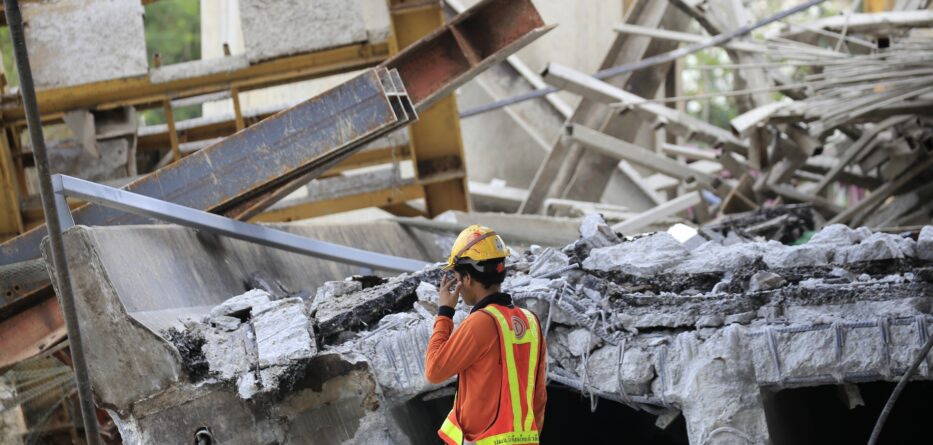
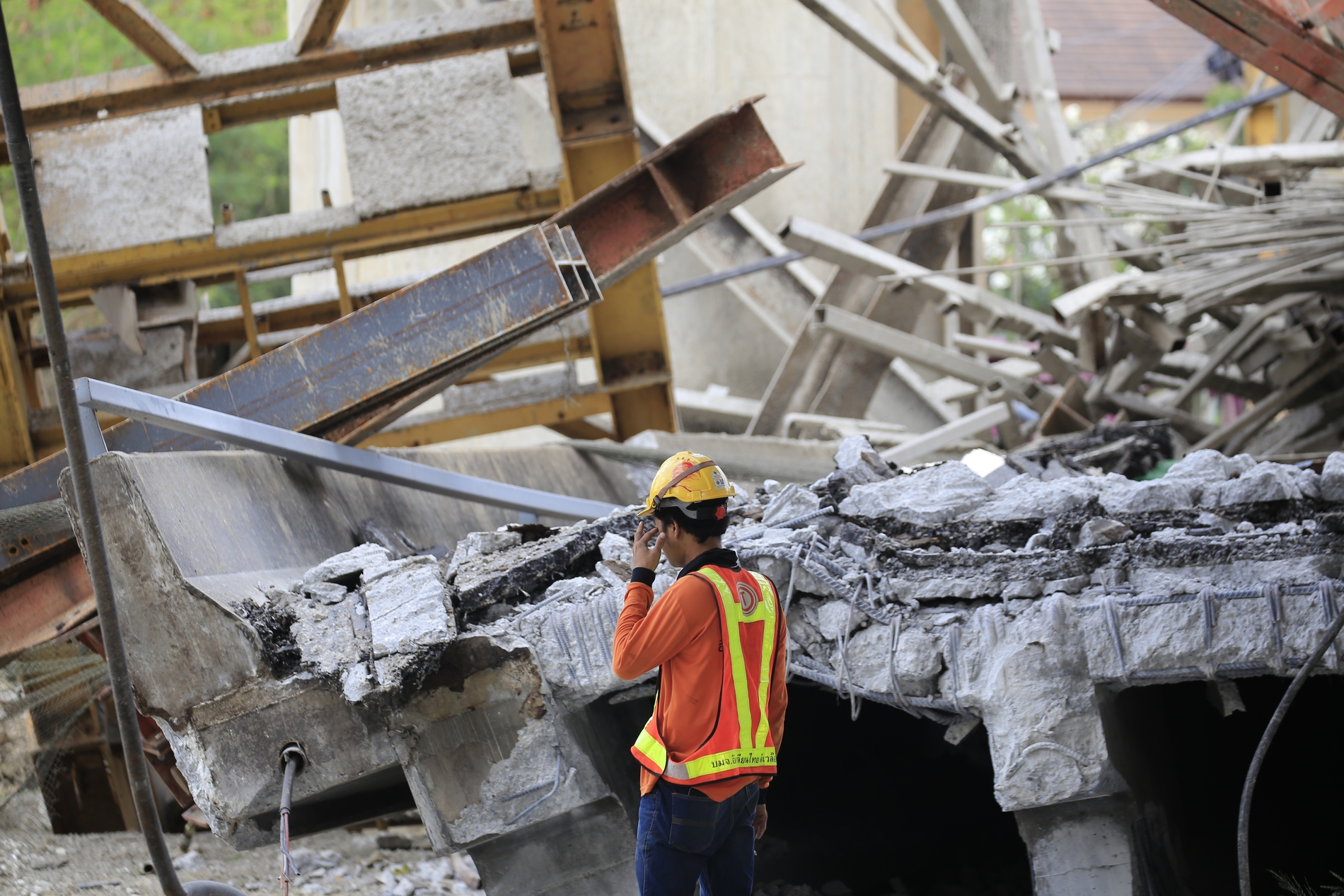
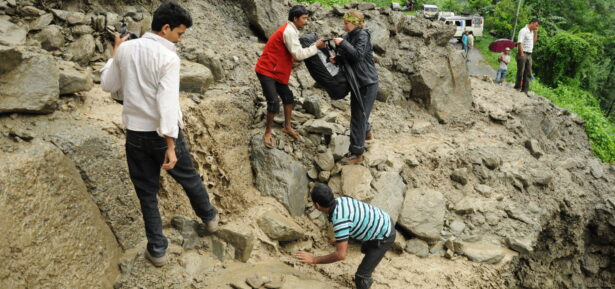
Major cities including Cali and Pereira reported significant damage. Buildings collapsed in some areas, while other structures were left unsafe. Roads and transportation links were also affected, making it harder for emergency teams to reach some communities.
The strength of the earthquake meant that people hundreds of kilometers away could feel the ground moving. Tremors were also reported in neighboring countries, showing just how widely the seismic energy traveled.
In the hours that followed, residents were warned to stay away from damaged buildings as authorities continued assessing the risk from aftershocks.
Colombia Declares a National Emergency
The scale of the destruction quickly turned the earthquake into a national emergency.
The Colombian government mobilized additional personnel and resources to support affected communities. Emergency teams began searching damaged buildings for survivors while authorities worked to understand the full extent of the destruction.
The situation remained particularly difficult in communities where roads, airports, communications, and public services had been disrupted.
For people who had lost their homes or could not safely return to them, temporary shelter became an immediate priority. Officials also introduced additional security measures in some affected cities while rescue and recovery operations continued.
Search and Rescue Efforts Move Quickly
The first few days after a major earthquake are critical, especially when people may still be trapped under collapsed structures.
Search-and-rescue teams were deployed across affected areas, supported by military personnel and emergency workers. Medical teams also worked to treat injured residents and move patients from areas where local healthcare facilities could no longer operate normally.
In Chocó, getting assistance to isolated communities created another challenge. Emergency supplies, medical equipment, food, drinking water, and temporary shelter materials had to be transported into areas where normal infrastructure had been damaged.
International partners also began supporting Colombia’s emergency response as the humanitarian needs became clearer.
Health Services Face Extra Pressure
Earthquakes do not only damage homes and roads. They can also place enormous pressure on hospitals and local clinics at exactly the moment when people need them most.
Damage to healthcare facilities, electricity systems, water supplies, and transportation can make treating injured residents much more difficult.
Emergency medical airlifts and mobile services therefore became an important part of the response. Restoring basic healthcare in affected communities is also essential for people who need regular medication, maternity care, treatment for chronic conditions, or other medical support unrelated to the earthquake.
Recovery Will Take Time
The immediate focus remains on finding survivors, treating the injured, providing shelter, and restoring essential services. After that comes the much longer process of rebuilding homes, roads, healthcare facilities, and other infrastructure.
For many families, recovery will also mean dealing with displacement and the emotional impact of suddenly losing homes or loved ones.
The August 10 earthquake has created a major humanitarian challenge for Colombia. While emergency teams continue working across the affected region, the scale of the damage means communities will likely need sustained national and international support well beyond the initial rescue operation.

-
 Singapore’s death penalty policies are once again under international attention. On August 18, independent United Nations human rights experts...
 -
The United Kingdom’s AI Safety and Security Institute has released new evaluation findings examining how advanced artificial intelligence models...
-
A powerful heatwave sweeping across Western Europe has triggered one of the most serious wildfire emergencies in recent years....
-
On July 20, federal authorities in the United States handed down a life sentence to Ismael “El Mayo” Zambada,...
-
The United Kingdom’s political landscape has experienced a major change as Greater Manchester Mayor Andy Burnham prepares to step...
-
The 2026 NATO Summit officially began in Ankara, Turkey, drawing attention from world leaders, defense analysts, and media alike....
-
Europe is dealing with one of its harshest early-summer heat waves in years. What started as an intense spell...
-
In a dramatic turn of events off the coast of Oman on June 14, an Indian-flagged dhow sank in...
-
South Korea has taken a major step toward digital modernization with President Lee Jae-myung nominating Han Seong-sook as the...
-
Saudi Arabia’s economy has spent the past few years building a reputation for strength, reform, and steady growth. The...
-
Each year, millions of Muslims from around the world travel to Saudi Arabia to participate in the Hajj pilgrimage,...
-
Grassroots environmental movements in Europe have achieved a significant milestone within the European Union. On a recent decision in...