Credit: Shutterstock
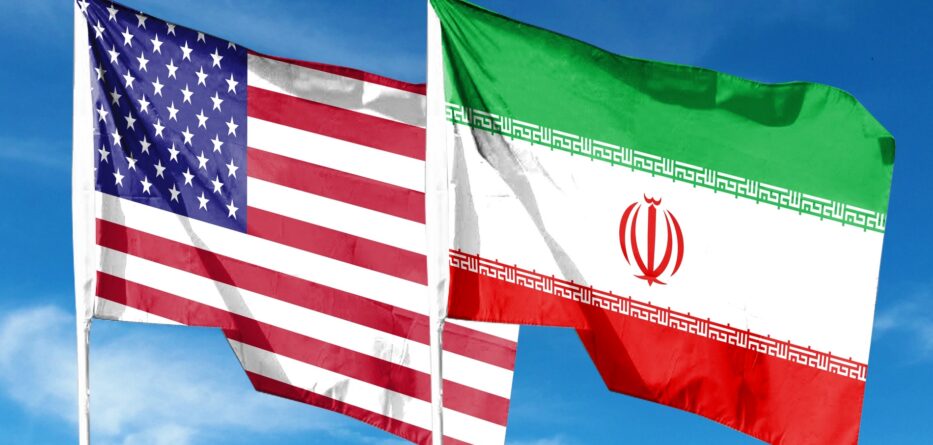
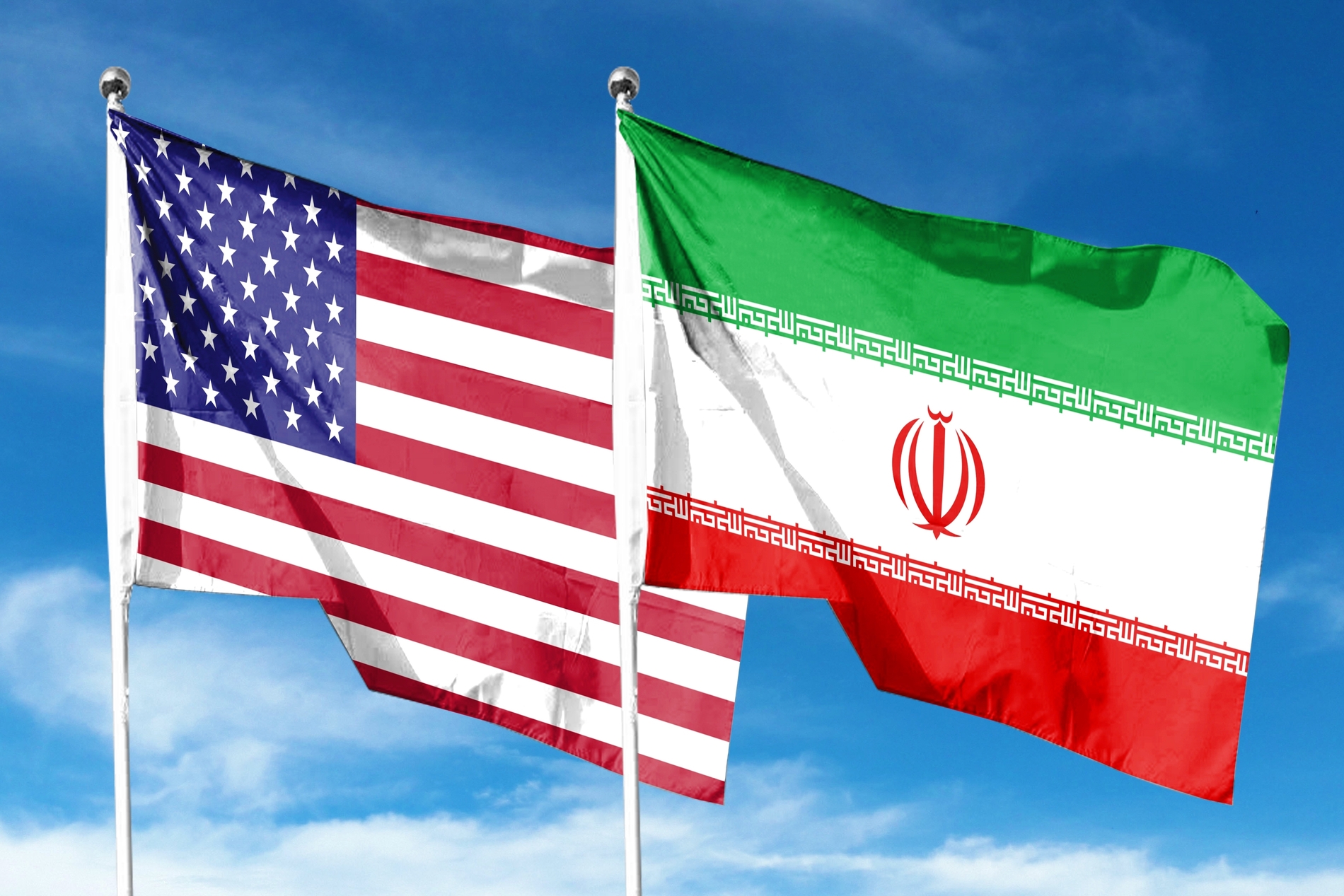
A highly anticipated diplomatic summit between the United States and Iran in Islamabad collapsed before formal talks could even begin, creating fresh concern across the Middle East and beyond. What was expected to be an important step toward easing tensions instead turned into another sign of how fragile the situation has become.
Iran’s Foreign Minister Abbas Araqchi left Islamabad without progress, while U.S. President Donald Trump canceled the planned visit of envoys Steve Witkoff and Jared Kushner, saying too much time had been wasted and criticizing confusion within Iran’s leadership. Reuters reported that Trump said, “If they want to talk, all they have to do is call.”
The No-Show That Changed Everything
The failed summit is being seen as a major diplomatic setback because expectations were already high. Pakistan had positioned itself as a mediator, hoping to help both sides move toward a ceasefire framework after earlier talks in April ended without agreement.
Instead, the sudden breakdown created the impression that trust between both sides remains extremely weak. Iran had already made clear that it did not plan direct talks with the U.S. in Islamabad, insisting communication would happen only through intermediaries.
When Araqchi departed and the U.S. delegation canceled its arrival, hopes for a quick diplomatic breakthrough largely disappeared.
Regional Tensions Rise Again
The timing made the collapse even more serious. Almost immediately after talks stalled, Israeli military operations in Lebanon intensified again, with Prime Minister Benjamin Netanyahu ordering stronger action against Hezbollah targets. This added pressure to an already unstable ceasefire environment.
For analysts, this reinforced a larger fear: when diplomacy pauses, military escalation often fills the gap.
The failed summit also affects global concerns around oil prices and shipping routes, especially with ongoing uncertainty around the Strait of Hormuz and wider Gulf security.
Planned Snub or Diplomatic Failure?
Experts are divided on whether this collapse was a deliberate political signal from Tehran or simply the result of failed coordination and unrealistic expectations.
Some see Iran’s refusal to engage directly as a strategic message against what it calls imposed negotiations and maximum pressure tactics. Others believe the collapse reflected confusion on both sides, especially after conflicting public statements about whether talks were even officially confirmed.
Either way, the result is the same: less trust and more instability.
The Political Fallout at Home
Back in Washington, the failed summit is quickly becoming a domestic political issue. Critics of the administration argue that the current maximum pressure strategy has made diplomacy harder and pushed Iran further away from meaningful negotiation.
Supporters take the opposite view. They argue that the U.S. should not make concessions to what they see as an unreliable negotiating partner and that stronger pressure remains the better path.
This debate is likely to grow louder as tensions continue.
What Happens Next
For now, diplomacy is stalled, but not necessarily finished. Pakistan remains engaged, and Iranian officials have suggested other diplomatic channels may continue through countries like Oman and Russia.
Still, the collapse of the Islamabad summit shows how quickly peace efforts can unravel. In a region already carrying heavy pressure, even one missed meeting can change the direction of everything.


-
 The Boeing 737 MAX is facing another round of regulatory attention in the United States. The Federal Aviation Administration...
 -
Federal authorities have launched investigations into a series of cyber intrusions targeting municipal water treatment facilities across several U.S....
-
The United States has announced plans to introduce a 50% tariff on approximately $20 billion worth of Canadian imports,...
-
Recent court documents released on July 20 show that federal investigators sought phone records belonging to several New York...
-
Washington entered a period of transition following the death of Republican Senator Lindsey Graham on Saturday, July 11. Graham,...
-
Following a tense weekend in the Strait of Hormuz, the U.S. carried out a significant wave of airstrikes targeting...
-
Things in the Middle East have taken another sharp turn. A recently mediated ceasefire between the U.S. and Iran...
-
In a surprising move that has captured attention across the tech world, the U.S. government has ordered Anthropic to...
-
Election season always brings strong opinions, and this year’s California primary elections were no exception. Following several closely watched...
-
On Tuesday, the White House introduced a major update to cybersecurity regulations targeting the protection of advanced artificial intelligence...
-
A United Airlines flight faced a tense situation on Saturday evening when a passenger tried to get into the...
-
A high-intensity security incident unfolded in Washington, D.C., on Saturday evening, drawing immediate attention and a swift law enforcement...