


Severe Storm System Brings Tornado Threats and Widespread Damage Across the East Coast

Meteorologists warn of a dangerous weather outbreak affecting millions from Florida to New York
Tornado

Credit: Shutterstock

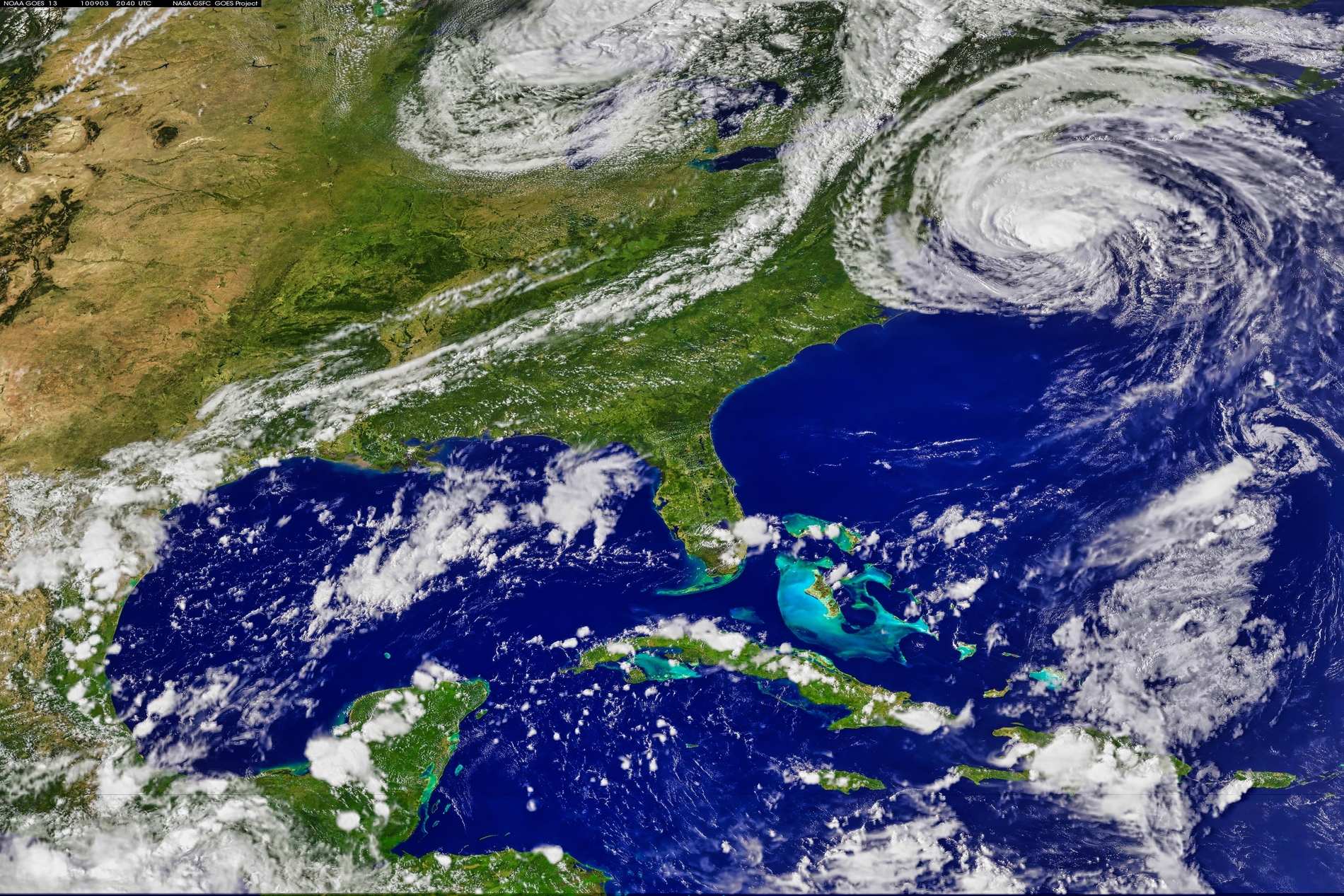
A powerful storm system swept across the Eastern United States beginning March 15 and continuing into March 16, bringing severe thunderstorms, damaging winds, and the threat of strong tornadoes. Weather officials issued warnings across a large portion of the East Coast as millions of residents faced potentially dangerous conditions.

The storm system moved quickly through several states, producing wind gusts exceeding 75 miles per hour in some areas. Forecasters warned that the combination of intense winds, heavy rain, and unstable atmospheric conditions created the potential for tornado development throughout the region.

Millions Under Severe Weather Alerts

Weather alerts were issued across multiple states stretching from Florida to New York. Major cities including Washington D.C., Richmond, and Raleigh were placed under high risk warnings as meteorologists tracked the advancing storm system.

Emergency management officials urged residents to stay alert, monitor weather updates, and prepare for rapidly changing conditions. Many communities opened emergency communication channels to ensure residents received real time alerts about possible tornado warnings or severe storm activity.

Tornado Risk and Damaging Winds

Meteorologists described the situation as a potential “dangerous outbreak” due to the strength of the storm system and the large geographic area affected.

The most serious threat involved possible tornado formation within the severe thunderstorms moving through the region. Strong wind gusts also posed risks of structural damage, falling trees, and dangerous flying debris.

Heavy rainfall and lightning accompanied the storms, further increasing the potential hazards for communities in the storm’s path.

Reports of Damage and Power Outages

As the storms moved eastward, reports of damage began emerging from several states. Fallen trees blocked roads in some areas while strong winds caused damage to buildings and infrastructure.

Power outages were reported in multiple communities as utility crews worked to restore electricity. Emergency responders also addressed calls related to storm damage and public safety concerns.

Local officials advised residents to avoid unnecessary travel and remain indoors during the most severe parts of the storm.

Travel Disruptions Across the Region

The severe weather also disrupted transportation across the East Coast. Flights were delayed or canceled at several major airports as storms passed through the region.

Road travel became difficult in areas experiencing heavy rain and strong winds. Officials warned drivers about reduced visibility and the possibility of debris on roadways.

Transportation agencies continued monitoring conditions as the storm system moved further north.

Weather System Follows Midwest Winter Storms

The severe storms came shortly after powerful winter weather affected parts of the Midwest. Blizzards earlier in the week created dangerous conditions in several central states before the system shifted east and developed into severe thunderstorms.

Meteorologists noted that such rapid transitions between winter storms and severe thunderstorms can occur when powerful weather systems move across large regions of the country.

Safety and Preparedness Remain Key

Weather experts emphasized the importance of preparedness during severe weather events. Residents were encouraged to keep emergency alerts enabled, identify safe shelter locations in their homes, and avoid outdoor activities when warnings are issued.

Local authorities also reminded communities to prepare for potential power outages and travel disruptions.

Final Outlook

As the storm system continued moving along the East Coast, meteorologists remained focused on tracking conditions and issuing updates for affected regions.

While the most severe impacts were expected to pass as the system moved northward, officials urged residents to remain cautious and stay informed as recovery efforts and damage assessments continued.