Credit: Shutterstock
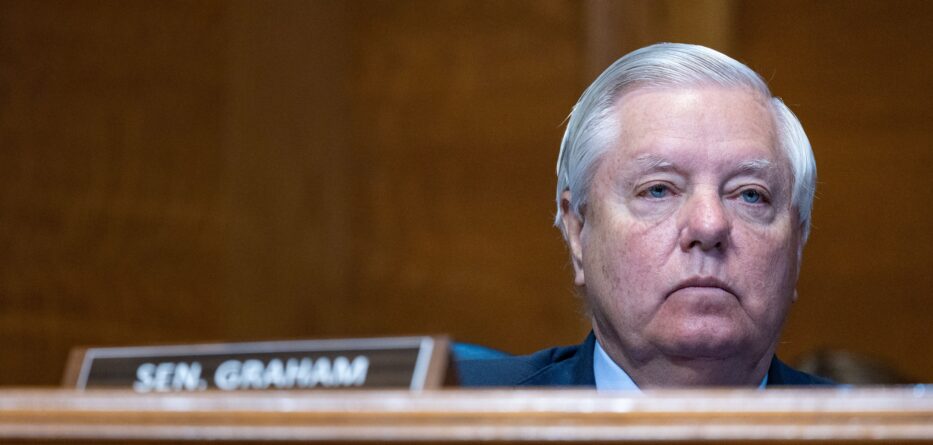
Washington entered a period of transition following the death of Republican Senator Lindsey Graham on Saturday, July 11. Graham, 71, passed away after a brief illness. Serving South Carolina in the Senate since 2003, his departure leaves a vacant seat that requires immediate attention from state leadership.
Details of the Passing
The senator’s death was reported as sudden and unexpected. No extended illness had been publicly disclosed, and officials described it as brief. This development came without warning, prompting a quick response from the state government to address the resulting vacancy.
The Senate Seat Now Vacant
Graham’s passing leaves South Carolina without representation in the U.S. Senate until a replacement is appointed. State law allows the governor to select a temporary replacement who will serve until a special election can be held. This decision is critical, as the seat plays a role in legislative votes and committee assignments on a national level.
Political Implications
The vacancy may influence both state and federal political dynamics. South Carolina’s governor now has the responsibility to appoint a temporary replacement, which can affect party representation and voting power in the Senate. Analysts will be monitoring how this decision impacts upcoming legislative sessions and ongoing policy negotiations.
Timeline for Replacement
Following the law, the governor is expected to act promptly to ensure the state has full representation. The temporary appointment will continue until a special election is scheduled, providing an opportunity for voters to select a permanent senator. The timing of the appointment and subsequent election is important for both legislative continuity and political strategy.
Legislative Considerations
The absence of a sitting senator affects committee work, votes on bills, and other Senate operations. Until a replacement is named, the state may have reduced influence on legislative decisions. National lawmakers and staff will likely adjust plans to accommodate the temporary gap in representation.
Looking Ahead
The focus now shifts to South Carolina’s political leadership and the process of filling the vacant seat. Observers are paying close attention to potential candidates and the timeline for appointment and election. The change in Senate membership also draws attention from other states and federal policymakers due to its impact on party balance and legislative priorities.
The sudden passing of Senator Lindsey Graham has created immediate procedural and political questions for both South Carolina and the U.S. Senate. With the governor tasked to appoint a temporary replacement, attention is on how the vacancy will be managed and what effects it may have on upcoming legislative activity.

-
 Wildland firefighters across the United States are facing another demanding fire season, with federal agencies operating at Preparedness Level...
 -
A quarter of a century has now passed since September 11, 2001. On September 11, 2026, Americans marked the...
-
The H-1B visa program is back at the center of the U.S. immigration and employment debate. A presidential proclamation...
-
The United States and Venezuela have entered a sweeping energy agreement that could reshape the relationship between the two...
-
The United States has temporarily stepped back from imposing new 50% tariffs on around $20 billion worth of Canadian...
-
The Boeing 737 MAX is facing another round of regulatory attention in the United States. The Federal Aviation Administration...
-
Federal authorities have launched investigations into a series of cyber intrusions targeting municipal water treatment facilities across several U.S....
-
The United States has announced plans to introduce a 50% tariff on approximately $20 billion worth of Canadian imports,...
-
Recent court documents released on July 20 show that federal investigators sought phone records belonging to several New York...
-
Following a tense weekend in the Strait of Hormuz, the U.S. carried out a significant wave of airstrikes targeting...
-
Things in the Middle East have taken another sharp turn. A recently mediated ceasefire between the U.S. and Iran...
-
In a surprising move that has captured attention across the tech world, the U.S. government has ordered Anthropic to...