

May 11, 2026


-
 The U.S. Treasury Department launched a major financial enforcement action on October 1 targeting the A7 Network, a Russia-linked...
 -
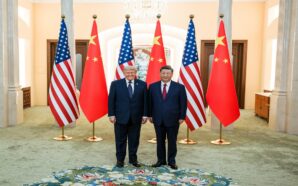
U.S. President Donald Trump hosted Chinese President Xi Jinping in Washington from September 23 to 25 for a three-day...
-
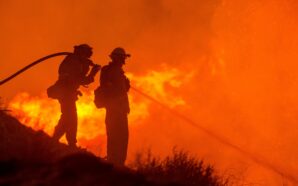
Wildland firefighters across the United States are facing another demanding fire season, with federal agencies operating at Preparedness Level...
-
A quarter of a century has now passed since September 11, 2001. On September 11, 2026, Americans marked the...
-
The H-1B visa program is back at the center of the U.S. immigration and employment debate. A presidential proclamation...
-
The United States and Venezuela have entered a sweeping energy agreement that could reshape the relationship between the two...
-
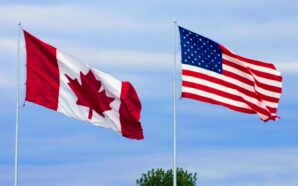
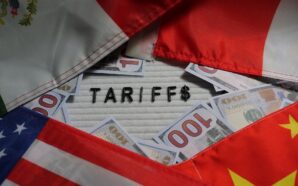
The United States has temporarily stepped back from imposing new 50% tariffs on around $20 billion worth of Canadian...
-
The Boeing 737 MAX is facing another round of regulatory attention in the United States. The Federal Aviation Administration...
-
Federal authorities have launched investigations into a series of cyber intrusions targeting municipal water treatment facilities across several U.S....
-
The United States has announced plans to introduce a 50% tariff on approximately $20 billion worth of Canadian imports,...
-
Recent court documents released on July 20 show that federal investigators sought phone records belonging to several New York...
-
Washington entered a period of transition following the death of Republican Senator Lindsey Graham on Saturday, July 11. Graham,...