Credit: Shutterstock
September has started with some major developments across the technology world.
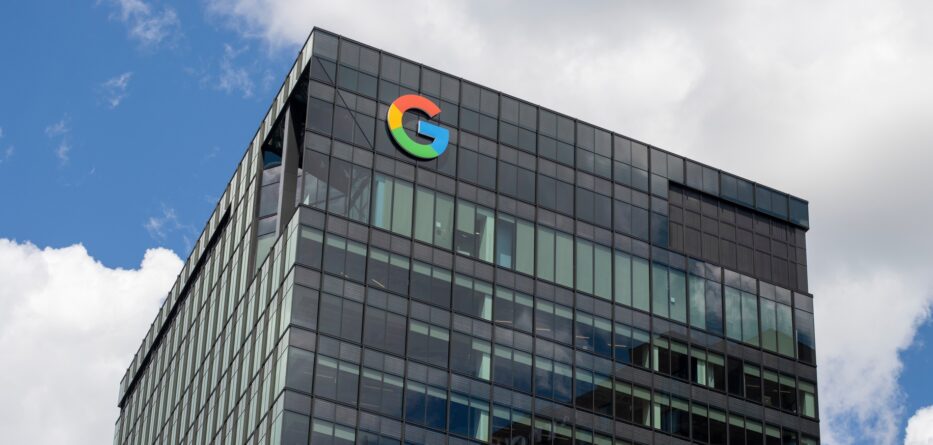
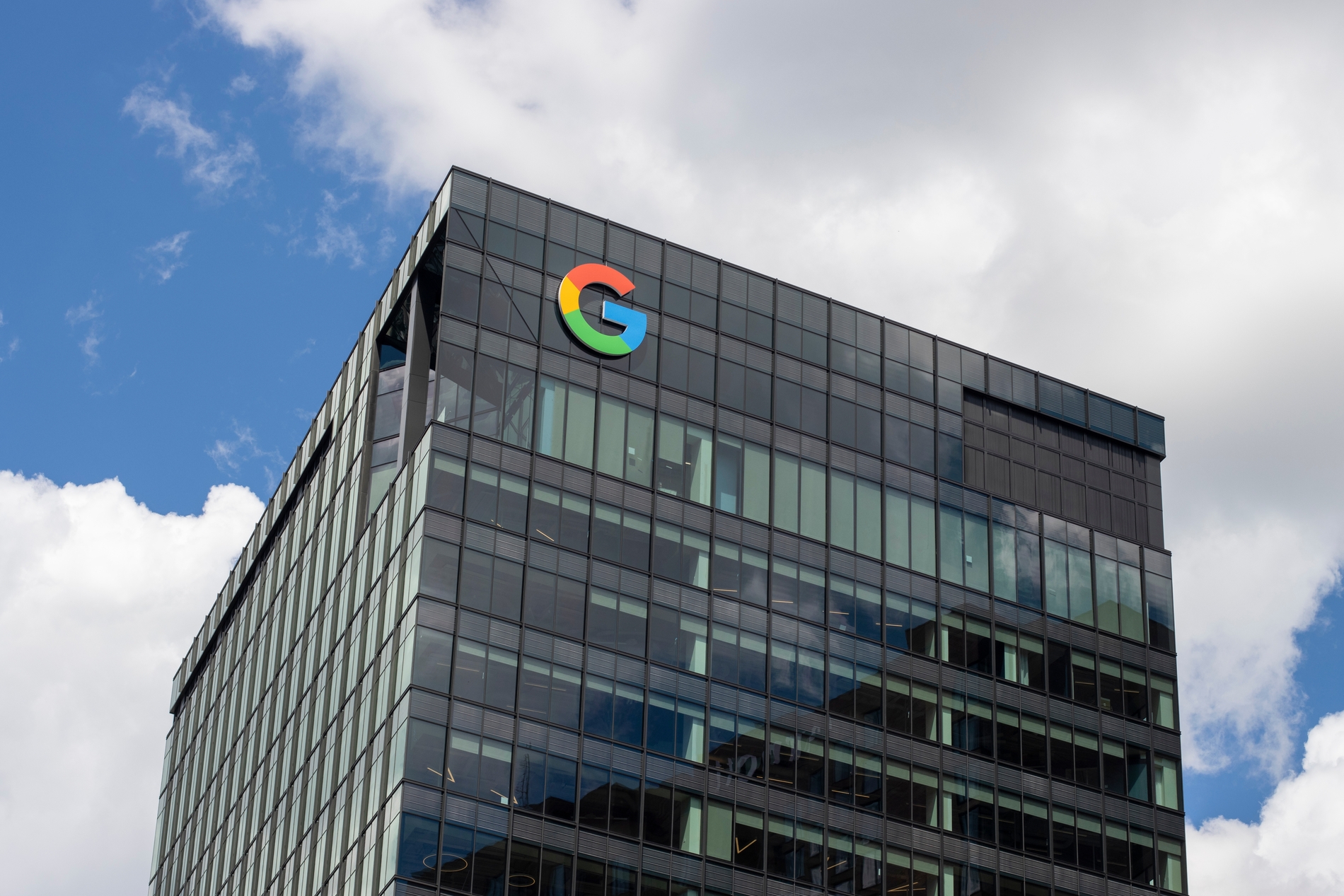
Google received an important outcome in its long-running advertising technology battle with the U.S. government, avoiding an order that would have forced it to sell its AdX advertising exchange.
At the same time, artificial intelligence is becoming an increasingly important part of cybersecurity, with new models designed to identify software weaknesses and fresh investment flowing into companies protecting AI systems.
Google Gets an Important Ad-Tech Decision
The biggest development came from Google’s antitrust case in the United States.
A federal judge rejected the Department of Justice’s request to force Google to sell AdX, the company’s advertising exchange used to connect publishers and advertisers.
The ruling is significant because a divestiture would have represented a major structural change to Google’s advertising business.
Instead, the court chose remedies aimed at changing how parts of Google’s advertising ecosystem operate.
Competitors Could Get Better Access
The decision doesn’t mean Google walks away without changes.
Rather than breaking up parts of the advertising business, the court focused on improving interoperability and reducing barriers for competing advertising technology companies.
That could make it easier for rival platforms to work with Google’s systems instead of being pushed toward an ecosystem controlled primarily by Google.
For publishers and advertisers, these technical changes could eventually influence how digital advertising inventory is bought, sold, and managed.
The effectiveness of those measures will now be closely watched.
Why AdX Matters
Digital advertising happens incredibly quickly behind the scenes.
When someone opens a website, automated systems can decide almost instantly which advertisement appears and how much an advertiser will pay for that opportunity.
Ad exchanges help make those transactions possible.
Google operates across several parts of this advertising process, which is why regulators have spent years examining whether its position gives the company too much control over the market.
Keeping AdX is therefore an important victory for Google, even with behavioral restrictions attached.
Google Pushes AI Further Into Cybersecurity
While regulators focus on Google’s advertising operations, the company is also expanding its work in artificial intelligence and security.
A specialized cybersecurity model, Gemini 3.8 Flash Cyber, has been developed for trusted defensive security teams.
Rather than acting like a general AI assistant, the model focuses on identifying weaknesses in software and helping security professionals investigate vulnerabilities.
Testing has reportedly shown success rates above 70% in certain vulnerability identification tasks.
AI Can Help Defenders Move Faster
Cybersecurity teams constantly deal with enormous amounts of information.
They need to examine software, investigate suspicious activity, identify weaknesses, and decide which problems require immediate attention.
AI models can potentially speed up parts of that process.
For example, a security-focused model might examine code for vulnerabilities or help researchers understand how a particular weakness could be exploited.
There is an important distinction, though. Powerful cybersecurity AI needs careful access controls because tools capable of finding vulnerabilities could also become dangerous in the wrong hands.
That’s why specialized models are increasingly being designed specifically for trusted defensive environments.
HiddenLayer Raises $100 Million
Investor interest in AI security is growing too.
Cybersecurity company HiddenLayer has raised $100 million in Series B funding after reporting rapid growth in annual recurring revenue.
The company focuses specifically on protecting AI systems.
That includes helping organizations identify attacks against machine learning models and defending systems against emerging threats that traditional cybersecurity products weren’t necessarily built to recognize.
The funding follows a reported tenfold increase in annual recurring revenue, showing how quickly enterprise demand for AI-focused security is developing.
AI Creates New Security Problems
The growth of companies such as HiddenLayer reflects a wider challenge.
Businesses are rapidly adding AI to customer service, software development, research, financial systems, and internal operations.
Every new AI system can also create another potential security target.
Attackers may attempt to manipulate models, steal sensitive information, interfere with training data, or find ways around existing safeguards.
As AI adoption grows, companies increasingly need security tools specifically designed for these new risks.
Two Very Different Sides of Big Tech
Google’s AdX ruling and the latest cybersecurity developments might seem unrelated, but together they show two major forces shaping technology.
Regulators are trying to decide how much control established technology companies should have over important digital markets.
Meanwhile, AI is creating entirely new markets, products, risks, and security requirements at remarkable speed.
Google may have avoided one of the most dramatic possible outcomes for its advertising business, but regulatory pressure hasn’t disappeared.
And in cybersecurity, the race is only beginning.
As AI systems become more capable and more widely used, the technology designed to protect them may become just as important as the AI itself.


-
 President Donald Trump and executives from some of America’s largest technology companies signed a voluntary AI safety agreement at...
-
Apple has only recently introduced its latest iPhone generation, but attention is already shifting toward what could be a...
-
The debate around artificial intelligence is shifting. The question is no longer simply how powerful AI can become, but...
-
Artificial intelligence isn’t only living in enormous cloud data centers anymore. At IFA 2026 in Berlin, Anker introduced MindBase,...
-
Two very different technology updates are showing where the industry is heading next. Samsung is preparing to expand...
-
The AI race has reached another major milestone. Google’s Gemini app has passed 1 billion monthly active users, making...
-
Nothing appears ready to take a much bigger step in the smartphone market. The company is reportedly considering launching...
-
Apple has introduced a new hardware leasing initiative in the United States, expanding its approach to how customers purchase...
-
Microsoft and 3M have announced a partnership that could change the way AI data centers operate. The collaboration focuses...
-
The tech world is facing another major supply problem, but this time the pressure is coming from artificial intelligence....
-
Google has just announced a major update to its smart home lineup with the launch of the new Google...
-
Apple’s latest announcements have captured the attention of businesses around the world. The introduction of Apple Intelligence, paired with...