

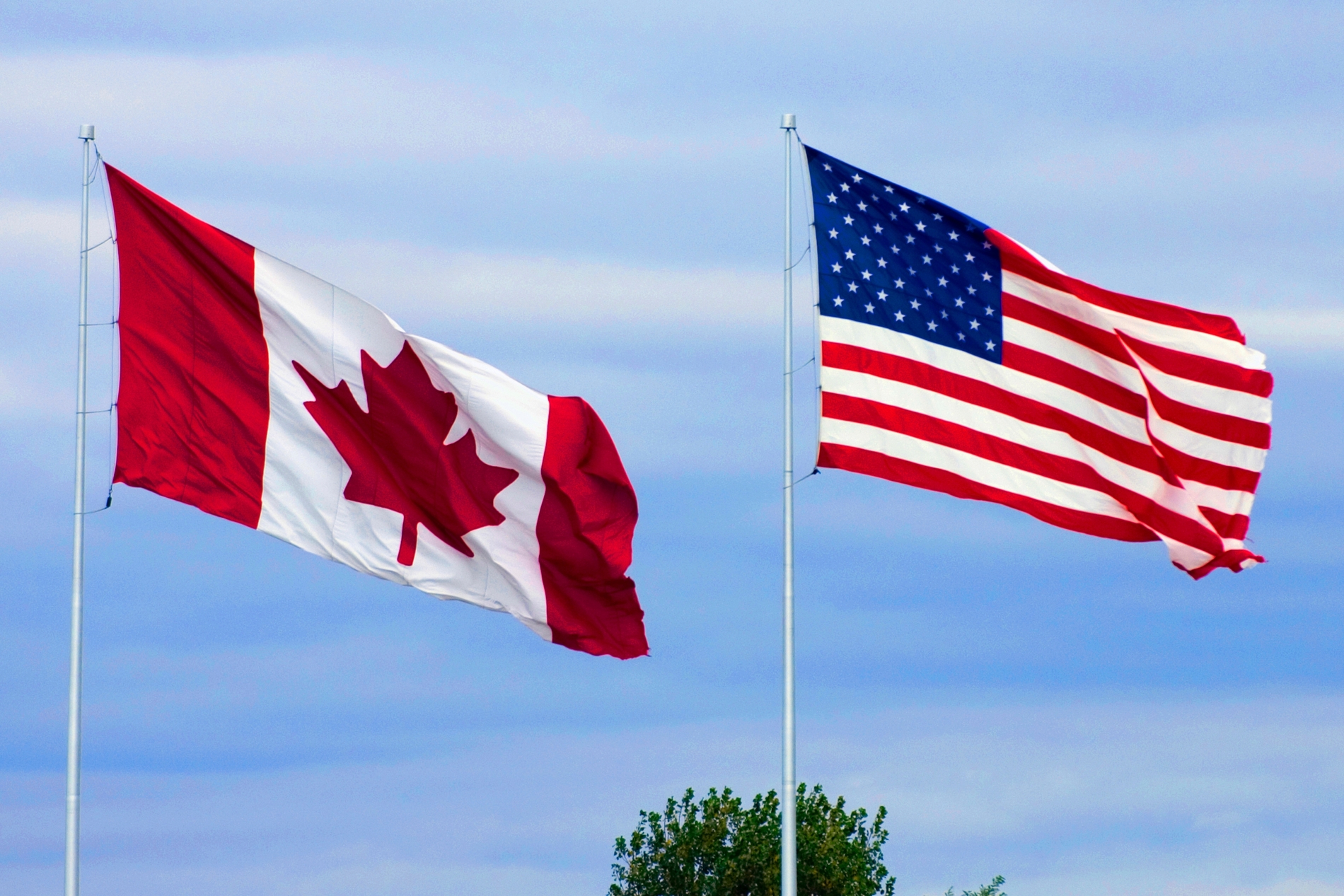
Credit: Shutterstock
The United States has temporarily stepped back from imposing new 50% tariffs on around $20 billion worth of Canadian imports after last-minute negotiations between the two countries.
The pause, announced on August 18, came after late-night talks in Washington aimed at preventing another escalation in U.S.-Canada trade tensions.
For businesses, the immediate result is fairly simple. Goods can continue crossing the border without suddenly facing the threatened additional tariffs while officials work toward a more permanent agreement.
Why Were the Tariffs Put on Hold?
The proposed tariffs were being used as pressure during negotiations over several long-running cross-border trade issues.
Rather than allowing the new duties to take effect immediately, U.S. and Canadian officials reached an initial understanding that gives both sides more time to address their differences.
The current agreement isn’t necessarily the end of the dispute. Instead, it creates a temporary window for negotiations to continue without placing an immediate 50% tariff on the affected goods.
That distinction matters because businesses still need to prepare for the possibility that negotiations could change again.
Agriculture Is Part of the Conversation
Agricultural trade is one of the major areas being discussed.
The United States and Canada have deeply connected food and agricultural markets, with products and ingredients regularly moving across the border.
Trade rules affecting agricultural products can become complicated because both countries have domestic producers they want to protect while also depending on cross-border supply chains.
The latest talks are expected to focus on finding ways to address those regulatory disagreements without creating unnecessary disruption for farmers, food companies, retailers, and consumers.
Automotive Trade Is Also at Stake
Cars and automotive components are another important part of the negotiations.
The North American automotive industry is highly integrated. A single vehicle can contain parts produced in multiple locations, with components sometimes crossing borders during different stages of manufacturing.
That makes sudden tariffs particularly difficult for automakers.
A large additional duty on Canadian automotive exports could increase production costs and create uncertainty throughout the wider supply chain. Those costs could eventually reach dealerships and consumers as well.
By pausing the tariffs, manufacturers now have more time to plan while trade officials continue negotiations.
Energy Adds Another Layer
Energy transmission is also included in the discussions.
Canada is an important energy supplier to the United States, and the two countries share extensive infrastructure involving electricity, oil, and natural gas.
Any major trade disagreement involving energy therefore has consequences beyond the companies directly involved.
Keeping energy moving reliably across the border is important for businesses, households, and regional power systems. That gives both governments a strong reason to find workable solutions rather than allowing the dispute to grow.
Businesses Welcome the Breathing Room
Business groups in both countries have responded with cautious optimism.
The timing of the pause is particularly important because companies are preparing for late-summer shipping activity. Sudden tariffs could have forced importers and exporters to reconsider orders, transportation schedules, contracts, and pricing.
Avoiding immediate implementation reduces the risk of those disruptions.
Still, businesses aren’t treating the issue as completely resolved. A temporary pause provides relief, but companies making longer-term decisions will want greater certainty about what happens next.
What Happens From Here?
The next stage will depend on whether negotiators can turn the initial agreement into something more lasting.
Agriculture, automotive trade, and energy are economically important sectors with complicated regulations and strong domestic interests on both sides. Finding compromises may take time.
For now, however, the tariff pause removes an immediate source of pressure.
For companies that rely on trade between the United States and Canada, that means fewer sudden changes to deal with during an important shipping period. For consumers, it also reduces the immediate risk of tariff-related costs being passed along through higher prices.
The last-minute deal hasn’t settled every disagreement, but it has bought both countries something valuable: more time to find a solution before tariffs begin affecting businesses, supply chains, and shoppers.


-
 The H-1B visa program is back at the center of the U.S. immigration and employment debate. A presidential proclamation...
 -
The United States and Venezuela have entered a sweeping energy agreement that could reshape the relationship between the two...
-
The Boeing 737 MAX is facing another round of regulatory attention in the United States. The Federal Aviation Administration...
-
Federal authorities have launched investigations into a series of cyber intrusions targeting municipal water treatment facilities across several U.S....
-
The United States has announced plans to introduce a 50% tariff on approximately $20 billion worth of Canadian imports,...
-
Recent court documents released on July 20 show that federal investigators sought phone records belonging to several New York...
-
Washington entered a period of transition following the death of Republican Senator Lindsey Graham on Saturday, July 11. Graham,...
-
Following a tense weekend in the Strait of Hormuz, the U.S. carried out a significant wave of airstrikes targeting...
-
Things in the Middle East have taken another sharp turn. A recently mediated ceasefire between the U.S. and Iran...
-
In a surprising move that has captured attention across the tech world, the U.S. government has ordered Anthropic to...
-
Election season always brings strong opinions, and this year’s California primary elections were no exception. Following several closely watched...
-
On Tuesday, the White House introduced a major update to cybersecurity regulations targeting the protection of advanced artificial intelligence...