
Credit: Shutterstock
The scale of the disaster unfolding across the Himalayas has become clearer, and the numbers are devastating.
By September 1, the death toll from catastrophic flooding in Nepal and China’s Tibet region had crossed 1,000, while more than 4,400 people remained missing. Rescue teams are continuing to search destroyed communities, hydropower projects, and remote mountain areas that remain difficult to reach.
A Glacier Collapse Triggered the Disaster
The disaster began on August 26 high in the Himalayas.
A major glacier collapse sent enormous quantities of ice, rock, water, and debris rushing into valleys below. The resulting flash floods followed mountain river systems, destroying communities and infrastructure as they moved downstream.
Nepal has suffered the overwhelming majority of confirmed deaths. By September 1, authorities there reported more than 1,000 fatalities and thousands of people still missing. Chinese authorities also reported deaths and hundreds missing in Tibet.
Entire settlements have been affected, leaving families searching for relatives while rescue workers attempt to reach areas that were effectively cut off.
Rescue Teams Face Enormous Obstacles
Reaching survivors has become one of the biggest challenges.
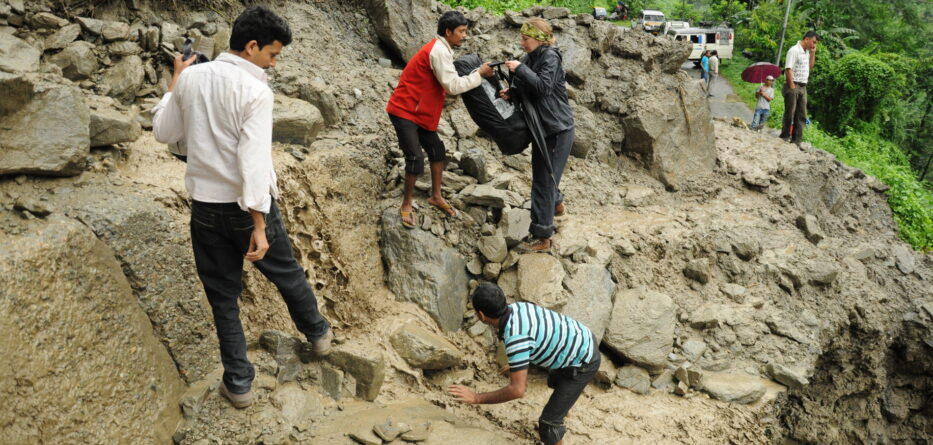
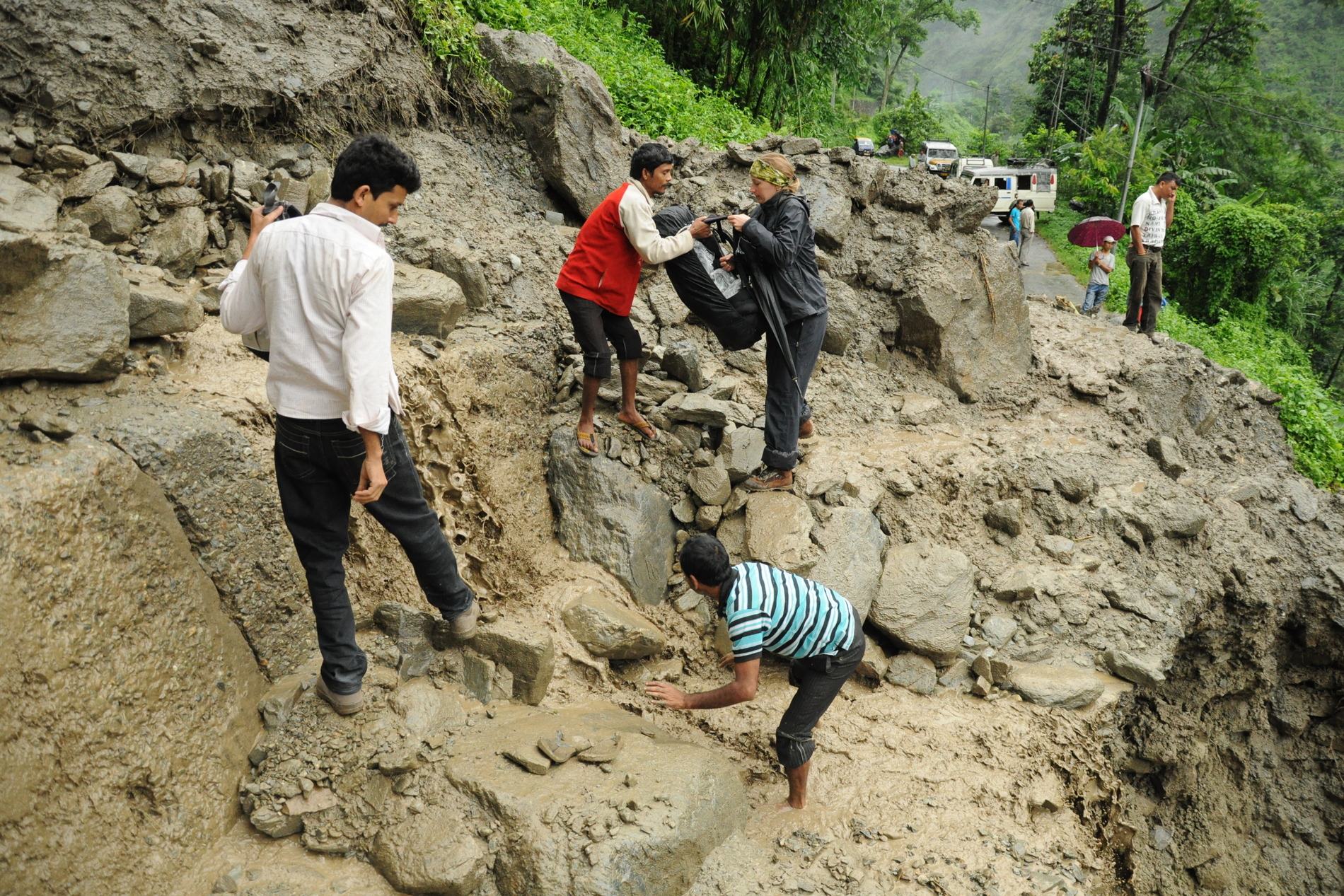
Floodwaters and mudslides destroyed roads, bridges, communication lines, and power infrastructure throughout affected areas. Some mountain routes became completely inaccessible.
Helicopters, excavators, temporary bridges, and other heavy equipment are now being used to reach isolated communities.
More than 11,000 people had been rescued across the affected region by September 1, while electricity and communications had been restored in some areas.
The enormous amount of debris, however, continues to slow progress.
Hydropower Tunnels Become a Rescue Priority
Some of the most difficult rescue operations are happening inside damaged hydropower projects.
Hundreds of workers were initially feared trapped in tunnels after mud, rocks, and flood debris blocked entrances at several facilities.
Rescuers have been digging through damaged sites and attempting to create safe routes into the tunnels. Teams from Nepal have been joined by specialists from India and China, bringing additional expertise and equipment for the complex underground operations.
The conditions make these searches particularly dangerous.
Some tunnels are narrow, filled with mud, or structurally unstable. Even drones and thermal equipment have limitations when trying to navigate deep underground passages.
Gyirong Port Left Devastated
The destruction has also crossed the Nepal-China border.
Gyirong Port, an important border crossing between Tibet and Nepal, was among the areas badly affected by the floods and mudslides.
When Chinese rescuers reached the damaged crossing, they found widespread destruction. Roads and other infrastructure around the area were heavily damaged, complicating efforts to move rescue workers and supplies through the region.
Restoring these transport links is important not only for rescue operations but also for getting food, water, medical supplies, and equipment to communities that have been cut off.
International Assistance Is Growing
The disaster has brought an increasingly international response.
India and China have provided specialist rescue assistance, while South Korea has also committed an emergency response team. China has provided additional support including water purification equipment and specialists who can assist with identifying victims.
More than $42 million in aid had already been pledged or delivered by September 1.
Clean drinking water, temporary shelter, medical care, food, and sanitation remain major priorities for survivors.
Infrastructure Damage Could Last for Years
The immediate priority is finding survivors, but the longer-term rebuilding challenge will be enormous.
Roads, bridges, power facilities, homes, and hydropower projects have suffered widespread damage. The floods reportedly destroyed or severely affected numerous power projects, highlighting the vulnerability of major infrastructure built along Himalayan river systems.
Nepal relies heavily on hydropower for electricity and economic development, meaning damage to these facilities could have consequences long after the emergency phase ends.
A Region Facing Growing Climate Risks
The disaster is also raising difficult questions about the future of Himalayan communities.
Scientists and international officials have warned that warming temperatures are increasing risks connected with melting glaciers and unstable glacial lakes.
Nepal, China, India, and other Himalayan countries already face the challenge of protecting communities and infrastructure built close to powerful mountain rivers.
For families affected by this disaster, however, those wider discussions come later.
Right now, thousands of people are still waiting for news of missing relatives, while rescue teams continue digging through mud and debris in the hope that more survivors can still be found.


-
 Each year, millions of Muslims from around the world travel to Saudi Arabia to participate in the Hajj pilgrimage,...
 -
Grassroots environmental movements in Europe have achieved a significant milestone within the European Union. On a recent decision in...
-
On May 12, 2026, Portugal saw a nationwide strike led by the Portuguese Nurses Union (SEP), coinciding with International...
-
On Sunday, April 5, the world of media and beyond mourned the loss of Ted Turner, the visionary founder...
-
SpaceX signaled a major shift in direction by officially expanding into a dedicated AI division, moving beyond automation tools...
-
Artificial Intelligence is becoming one of the biggest forces shaping healthcare across Europe, and new reports released through UN...
-
NASA’s Artemis II mission has officially completed one of the most significant crewed space missions in modern history. The...
-
On April 1, 2026, NASA successfully launched the Artemis II mission, marking the first crewed flight of the Orion...
-
On March 26, Canada officially reached NATO’s long-standing benchmark of spending 2% of its GDP on defence, a target...
-
A Russian Progress cargo spacecraft launched successfully on March 22, continuing a vital series of missions that keep the...
-
Cities around the world came alive between March 14 and March 17 as St. Patrick’s Day celebrations brought people...
-
A noticeable decline in Canadian travel to the United States is drawing attention across the tourism industry. Recent data...