
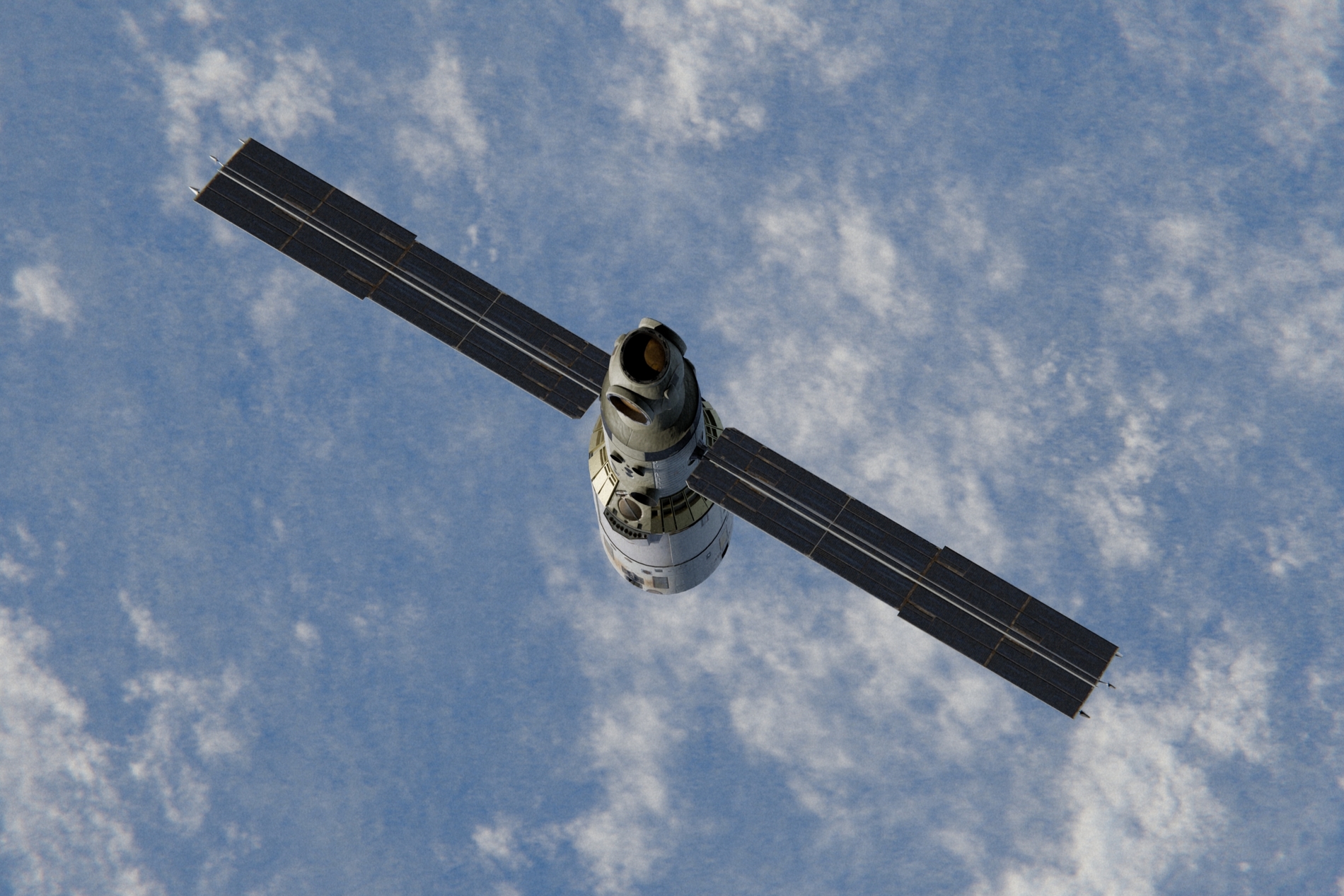


Russian Progress Spacecraft Successfully Delivers Supplies to the ISS

Routine resupply mission supports ongoing research and daily operations aboard the orbiting laboratory
Cargo spacecraft

Credit: Shutterstock

A Russian Progress cargo spacecraft launched successfully on March 22, continuing a vital series of missions that keep the International Space Station running smoothly. The unpiloted spacecraft, known as Progress 94, lifted off from the Baikonur Cosmodrome in Kazakhstan aboard a Soyuz rocket, carrying essential supplies for the crew currently aboard the station.

The mission is part of a long-standing partnership between international space agencies, including Roscosmos and NASA, to maintain continuous operations in orbit.

Smooth Launch From Baikonur

The spacecraft launched without issues, with the Soyuz rocket performing as expected during ascent. Live coverage shared by space agencies showed the vehicle reaching orbit and beginning its journey toward the International Space Station.

Baikonur Cosmodrome remains one of the most important launch sites in the world, playing a central role in both crewed and uncrewed missions to space.

Critical Supplies for the Crew

Progress 94 carried a range of essential items needed to support astronauts aboard the ISS. These included food, water, fuel, and scientific equipment.

Resupply missions like this are crucial for maintaining life aboard the station. They ensure that crew members have everything they need for daily living while also supporting ongoing research experiments.

The spacecraft also delivered propellant used to help maintain the station’s orbit and adjust its position when needed.

Supporting Expedition 74

The supplies delivered by Progress 94 will support the crew of Expedition 74, who continue to carry out scientific research in microgravity.

Experiments conducted aboard the ISS cover a wide range of topics, including human health, materials science, and space technology. These studies contribute to both future space exploration and advancements on Earth.

Having consistent access to equipment and resources allows the crew to continue their work without interruption.

A Key Part of ISS Operations

Cargo missions like Progress are a routine but essential part of life on the International Space Station. Unlike crewed missions, these spacecraft operate automatically and are designed specifically for transporting supplies.

Once docked, the cargo is unloaded by astronauts. After completing its mission, the spacecraft is typically filled with waste and safely directed to burn up in Earth’s atmosphere.

This cycle helps keep the station clean while ensuring a steady flow of supplies.

International Cooperation in Space

The mission highlights the continued cooperation between international space agencies. Despite political differences on Earth, space operations remain a shared effort focused on scientific progress and exploration.

NASA and its global partners regularly coordinate launches, missions, and research activities to ensure the success of the ISS program.

Final Thoughts

The successful launch of Progress 94 demonstrates the reliability and importance of routine space missions. While not as widely publicized as crewed flights, these resupply missions are essential to keeping the International Space Station operational.

By delivering critical supplies and equipment, Progress spacecraft continue to support scientific discovery and the daily lives of astronauts working in orbit.