Credit: Shutterstock
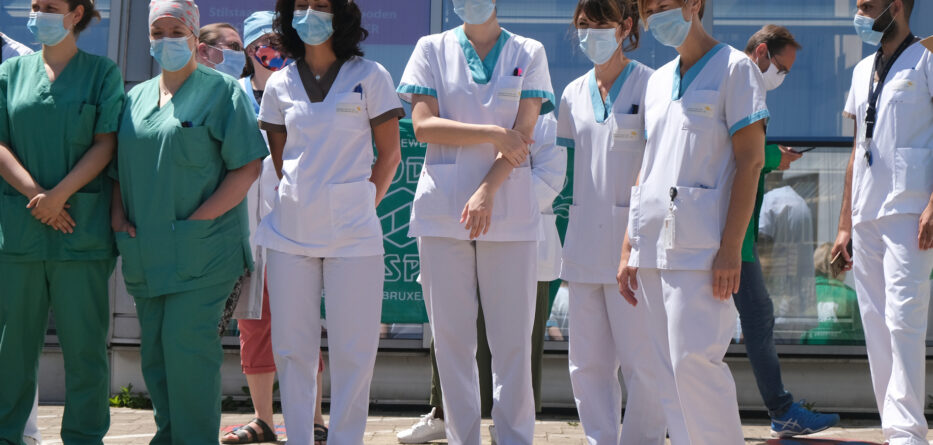
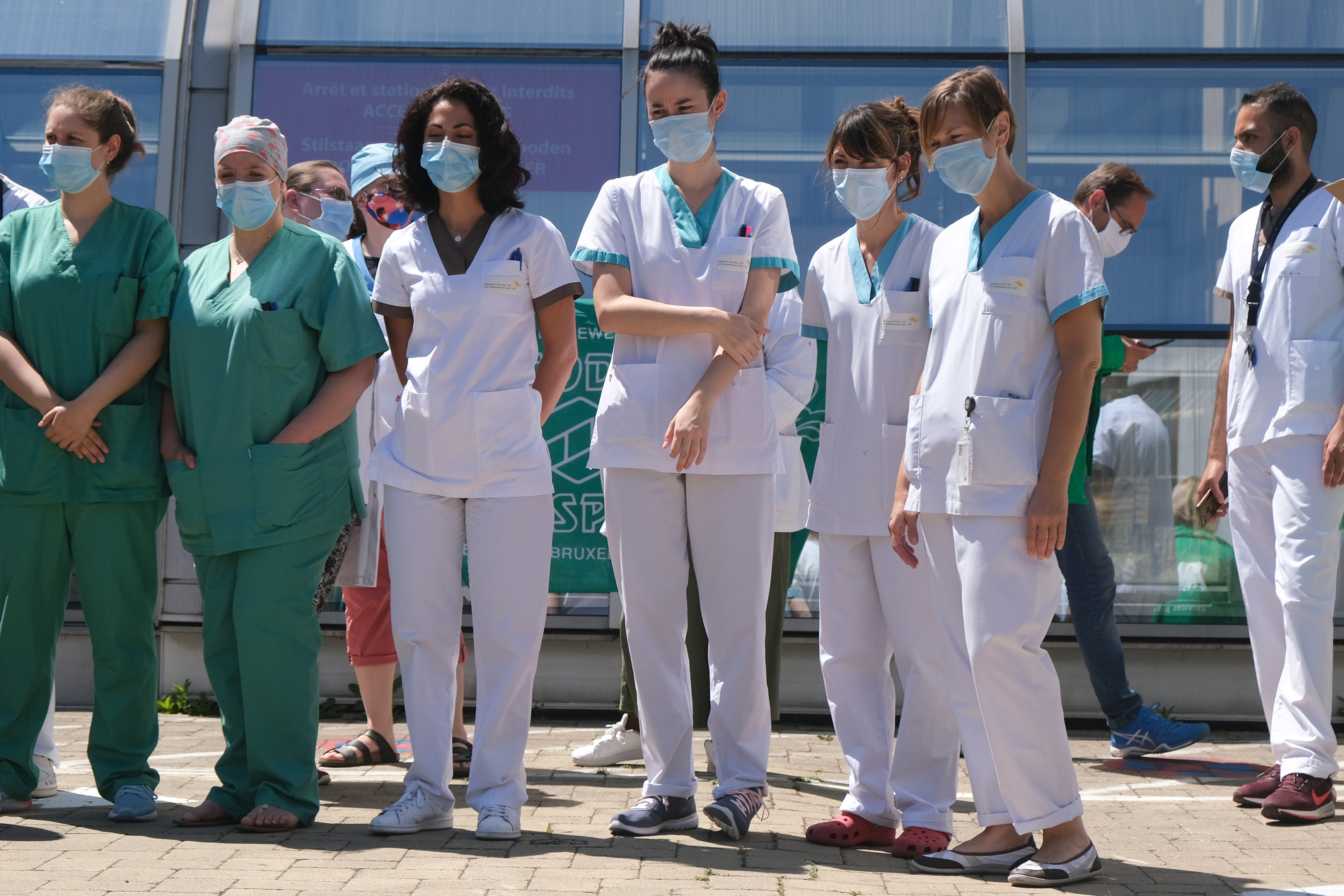
On May 12, 2026, Portugal saw a nationwide strike led by the Portuguese Nurses Union (SEP), coinciding with International Nurses Day. The strike captured the public’s attention, affecting both public and private healthcare services. It wasn’t just a one-day protest but the peak of a year marked by labor unrest in the healthcare sector. Unions are warning that Portugal’s National Health Service (SNS) is at risk of a “silent collapse” if their demands are not met.
Key Demands of the Strike
The May 12 strike focused on several long-standing issues within Portugal’s healthcare system that nurses and other medical professionals believe are pushing the system to its limits. The primary demands were centered around pay, staffing shortages, labor reforms, and job security.
Career Progression & Back Pay
A major issue in the strike is the “point-counting” system, which nurses argue is unfair and ineffective for career progression. Additionally, nurses are demanding retroactive pay for the 2018–2021 period, which they have yet to receive. Nurses are the only public sector group in Portugal that has not been paid for this period, adding to their frustration.
Staffing Shortages
Another critical issue is the severe shortage of nurses in Portugal. According to the Order of Nurses, there is a deficit of over 14,000 nurses. This shortage has led to extreme burnout among frontline workers, making it difficult to provide adequate care. Many nurses feel exhausted and overworked, which has created an unsustainable situation in the healthcare system.
The “Bank of Hours” Controversy
A new labor reform package has also sparked significant opposition. The package includes a proposal for a “time bank,” where workers are required to work extra hours that wouldn’t be classified or paid as overtime. This has caused outrage among nurses, who feel that it would take advantage of their already strained conditions without providing proper compensation.
Precarious Contracts
Nurses are also fighting for job security. A major demand is to convert temporary or “precarious” contracts into permanent positions. This would provide more stability for workers and help attract new talent to the profession, especially as many nurses are leaving Portugal for better conditions abroad.
Impact on Services
The nationwide strike had a noticeable impact on healthcare services across the country, with several key areas experiencing significant disruptions.
Elective Surgeries
Thousands of non-urgent surgeries were postponed due to the strike. Elective procedures, which are not considered emergencies, were delayed, affecting many patients who had been waiting for scheduled operations.
Outpatient Appointments
Most scheduled outpatient consultations at public health centers were canceled or rescheduled. Patients who had been waiting for appointments faced significant delays, especially for ongoing medical issues that needed attention.
Diagnostic Testing
Non-emergency diagnostic testing, including lab work and imaging services, was delayed. This created a backlog of patients needing routine tests or monitoring for chronic conditions, adding further strain to the system.
What’s Next?
While the May 12 strike was significant, it is just the beginning. Unions have announced an even larger General Strike for June 3, 2026, if the Ministry of Health doesn’t address their concerns. If the government does not improve its proposals regarding the Collective Bargaining Agreement, healthcare workers warn that strikes could continue throughout the summer, potentially paralyzing the healthcare system.
-
 The scale of the disaster unfolding across the Himalayas has become clearer, and the numbers are devastating. By September...
 -
Severe weather has caused serious disruption across parts of Western Europe and Asia, with communities in Germany and China...
-
Singapore’s death penalty policies are once again under international attention. On August 18, independent United Nations human rights experts...
-
A powerful 7.4-magnitude earthquake struck western Colombia on August 10, shaking cities across the country and sending tremors into...
-
The United Kingdom’s AI Safety and Security Institute has released new evaluation findings examining how advanced artificial intelligence models...
-
A powerful heatwave sweeping across Western Europe has triggered one of the most serious wildfire emergencies in recent years....
-
On July 20, federal authorities in the United States handed down a life sentence to Ismael “El Mayo” Zambada,...
-
The United Kingdom’s political landscape has experienced a major change as Greater Manchester Mayor Andy Burnham prepares to step...
-
The 2026 NATO Summit officially began in Ankara, Turkey, drawing attention from world leaders, defense analysts, and media alike....
-
Europe is dealing with one of its harshest early-summer heat waves in years. What started as an intense spell...
-
In a dramatic turn of events off the coast of Oman on June 14, an Indian-flagged dhow sank in...
-
South Korea has taken a major step toward digital modernization with President Lee Jae-myung nominating Han Seong-sook as the...