
Credit: Shutterstock
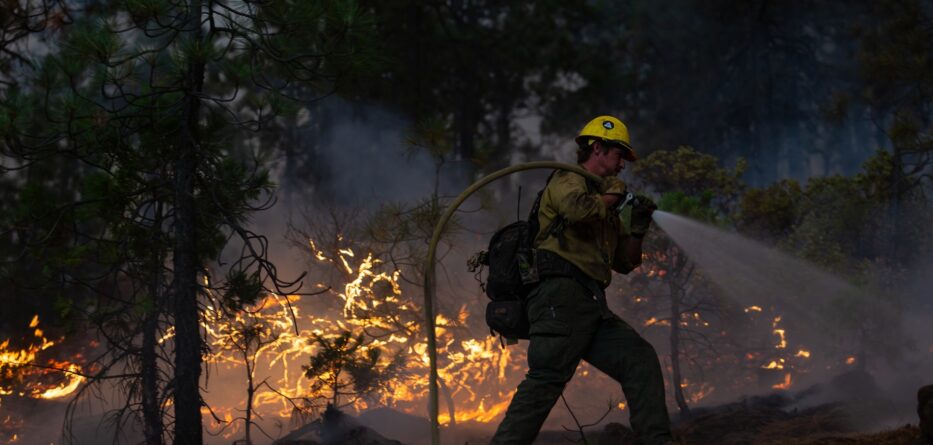
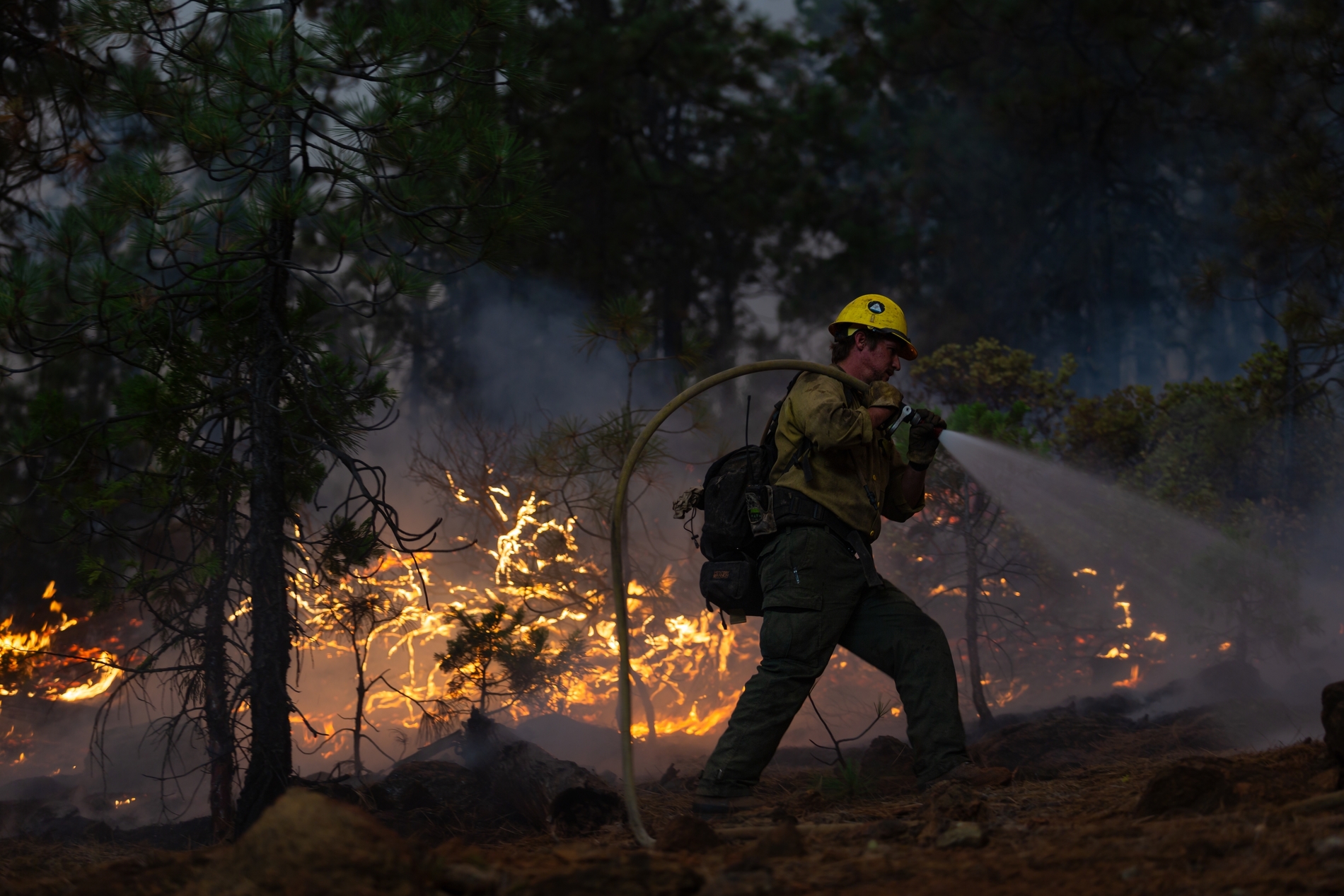
A powerful heatwave sweeping across Western Europe has triggered one of the most serious wildfire emergencies in recent years. Massive fires have spread across parts of France and Spain, destroying large areas of land and forcing hundreds of thousands of residents and tourists to leave their homes and holiday locations. With temperatures rising above 40°C (104°F), emergency teams have been working around the clock to contain the flames and protect affected communities.
Widespread Destruction Across Two Countries
France and Spain have faced some of the worst impacts from the ongoing wildfire crisis. In France’s Gironde region and Spain’s Ávila and Madrid provinces, extreme blazes have burned more than 200,000 hectares combined. Forests, rural areas, and nearby communities have been affected as strong winds and dry conditions allowed fires to spread rapidly.
The scale of the destruction has created major challenges for local authorities. Roads have been closed, residents have been relocated, and emergency services have worked continuously to prevent further damage. Many tourists visiting popular areas were also evacuated as officials prioritized public safety.
Emergency Support From Across Europe
Due to the severity of the situation, France and Spain activated the European Union’s Civil Protection Mechanism. This allows member states to request additional support during major emergencies that exceed national response capabilities.
The assistance brought together firefighters, water-bombing aircraft, and logistical support teams from Italy and other neighboring European countries. These international efforts aim to strengthen firefighting operations and provide additional resources where they are needed most.
Heatwave Creates Dangerous Conditions
The extreme heat has played a major role in worsening the wildfire situation. Prolonged high temperatures have dried forests and vegetation, creating conditions where fires can ignite and spread quickly.
The heatwave has affected much of Western Europe, with temperatures reaching above 40°C in several areas. The intense conditions have also increased health risks, especially for older adults, children, and people working outdoors. Authorities have issued warnings urging residents to stay hydrated, avoid unnecessary outdoor activity, and follow safety instructions.
Support for Displaced Communities
As thousands of people have been forced to leave their homes, humanitarian organizations have stepped in to provide assistance. The International Federation of Red Cross and Red Crescent Societies has established emergency shelters and healthcare stations to support displaced residents and travelers.
These facilities provide temporary accommodation, medical support, and essential supplies for those affected by the fires. Emergency workers are also helping communities manage the disruption caused by evacuations and property damage.
Climate Challenges and Future Preparedness
The wildfire crisis has renewed discussions about climate risks and emergency preparedness across Europe. Rising temperatures, longer dry periods, and changing weather patterns are increasing pressure on communities and emergency services.
Governments are continuing to invest in early warning systems, firefighting resources, and prevention strategies to reduce the impact of future disasters.
Looking Ahead
While firefighters continue efforts to control the remaining blazes, authorities are closely monitoring weather conditions and fire risks. The recovery process will likely take time as communities assess damage, rebuild affected areas, and support displaced families.
The wildfires in France and Spain highlight the growing challenges posed by extreme weather events. Through international cooperation, emergency response efforts, and community support, affected regions are working to protect lives and recover from one of the most severe wildfire emergencies in recent years.
U.S. Imposes 50% Tariffs on Key Canadian Import Sectors
-
The United Kingdom’s AI Safety and Security Institute has released new evaluation findings examining how advanced artificial intelligence models...
-
On July 20, federal authorities in the United States handed down a life sentence to Ismael “El Mayo” Zambada,...
-
The United Kingdom’s political landscape has experienced a major change as Greater Manchester Mayor Andy Burnham prepares to step...
-
The 2026 NATO Summit officially began in Ankara, Turkey, drawing attention from world leaders, defense analysts, and media alike....

-
Europe is dealing with one of its harshest early-summer heat waves in years. What started as an intense spell...
-
In a dramatic turn of events off the coast of Oman on June 14, an Indian-flagged dhow sank in...
-
South Korea has taken a major step toward digital modernization with President Lee Jae-myung nominating Han Seong-sook as the...
-
Saudi Arabia’s economy has spent the past few years building a reputation for strength, reform, and steady growth. The...
-
Each year, millions of Muslims from around the world travel to Saudi Arabia to participate in the Hajj pilgrimage,...
-
Grassroots environmental movements in Europe have achieved a significant milestone within the European Union. On a recent decision in...
-
On May 12, 2026, Portugal saw a nationwide strike led by the Portuguese Nurses Union (SEP), coinciding with International...
-
On Sunday, April 5, the world of media and beyond mourned the loss of Ted Turner, the visionary founder...