Credit: Shutterstock
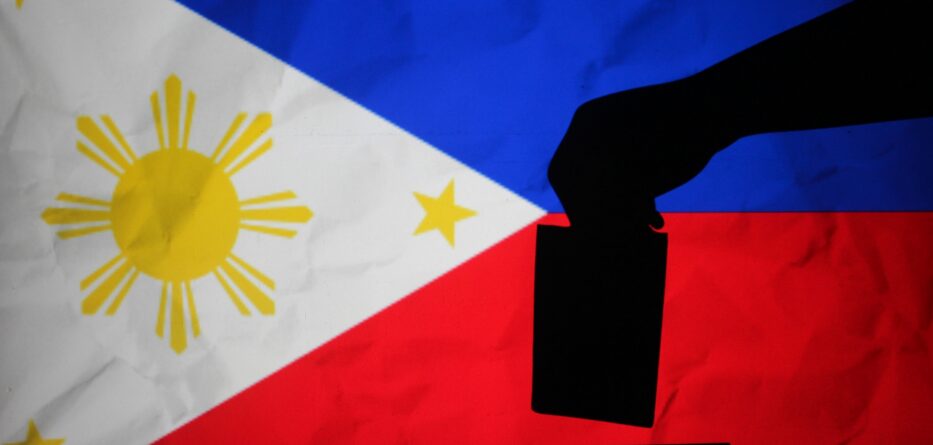
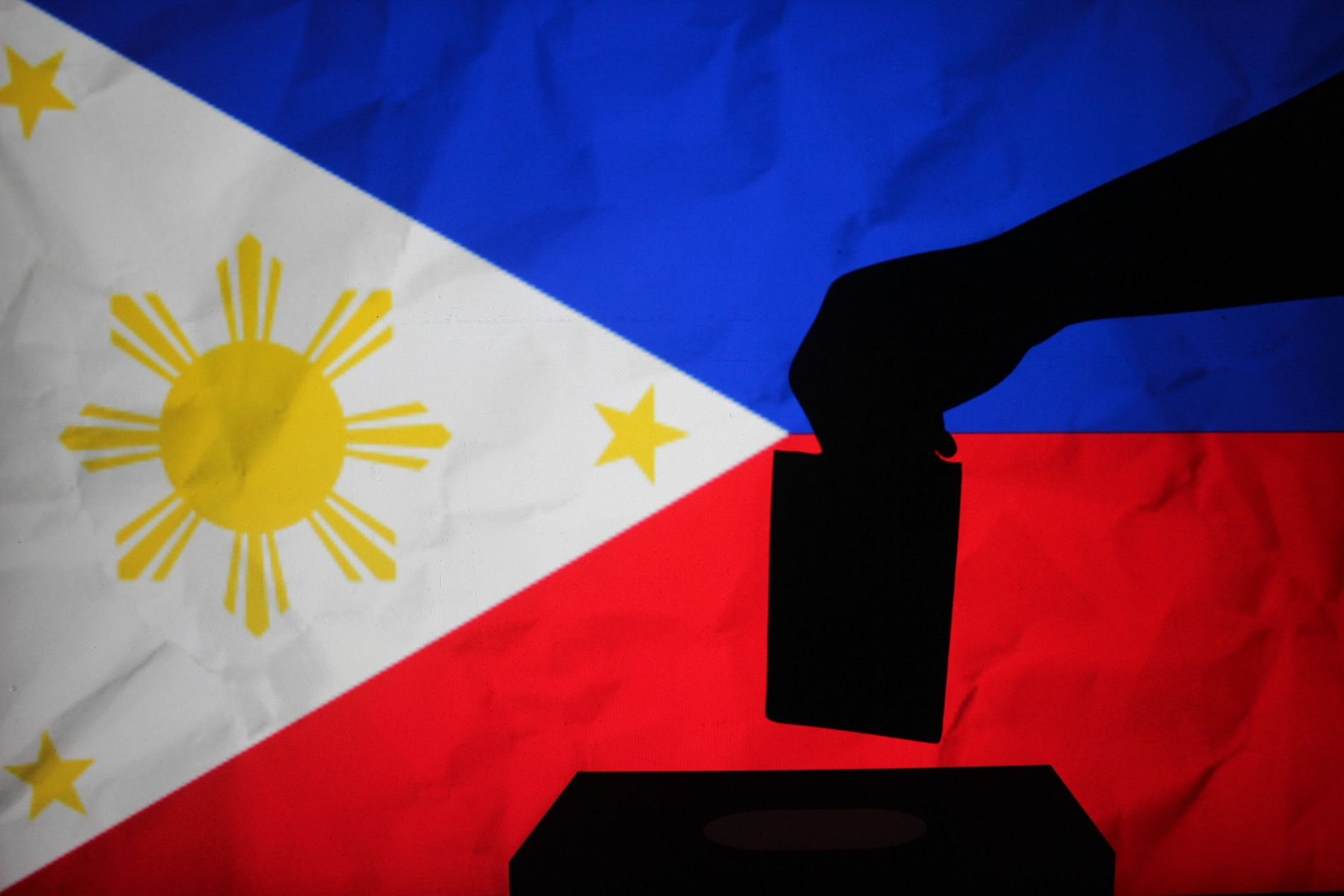
Voters in the southern Philippines have taken part in a historic election that could shape the future of one of the country’s most politically sensitive regions.
On September 14, the Bangsamoro Autonomous Region in Muslim Mindanao, known as BARMM, held its first parliamentary election. Around 2.4 million people were registered to vote for representatives in the region’s 80-seat parliament.
The election represents a major transition from an appointed interim authority to a government chosen directly through the ballot box.
A Milestone Years in the Making
The vote has its roots in decades of conflict between the Philippine government and Moro separatist groups seeking greater autonomy for the Muslim-majority south.
A major breakthrough came with the 2014 peace agreement between the government and the Moro Islamic Liberation Front. Legislation establishing the new autonomous structure followed, and voters approved the creation of BARMM in a 2019 plebiscite.
The September election was therefore about much more than choosing representatives. It was an important test of whether the peace process could successfully move toward permanent democratic institutions.
Turnout Reaches Around 80%
Despite security concerns and isolated violence surrounding the election, voter participation was high.
Turnout reached approximately 80%, reflecting considerable public interest in determining the region’s political future.
Election-related violence remained a concern, however. Three people were killed and 15 others wounded in incidents before voting, while authorities placed Cotabato City under election commission control following violence at a polling location.
Officials nevertheless described voting across much of the region as largely peaceful.
No Clear Winner Emerges
The results didn’t give any single political bloc enough seats to control the regional parliament independently.
Factions connected to the Moro Islamic Liberation Front emerged as major forces, but coalition negotiations will be required to form a government and select Bangsamoro’s first elected chief minister.
That process could prove just as important as the election itself. Political groups that were once connected through the wider autonomy movement must now compete, negotiate, and cooperate within a parliamentary system.
Why Bangsamoro Autonomy Matters
BARMM is unique within the Philippines because it operates under a parliamentary form of regional government.
The autonomous region has greater authority over areas including economic development and local governance, giving residents more influence over decisions affecting their communities.
Supporters of the peace process hope stronger local institutions can address long-standing problems involving poverty, underdevelopment, political instability, and conflict.
The region has already shown signs of economic improvement, recording growth of around 5% in 2025.
The Hard Work Comes Next
Holding the election is an important achievement, but it doesn’t complete Bangsamoro’s political transition.
The new parliament will need to form a stable coalition, deliver effective government services, encourage investment, and maintain confidence in the peace process.
Security challenges also remain, particularly in areas where political rivalries and armed groups continue to create instability.
Still, the election represents a major change in how political power is exercised in the region.
After decades in which conflict shaped much of Bangsamoro’s relationship with Manila, millions of residents have now participated in choosing their own regional parliament.
The real measure of success will come next, as those elected attempt to turn that democratic milestone into lasting stability, development, and meaningful self-government.


-
 The 81st United Nations General Assembly brought another intense week of international diplomacy to New York, with world leaders...
-
The 18th BRICS Summit concluded in New Delhi on September 13 after two days of discussions involving some of...
-
The scale of the disaster unfolding across the Himalayas has become clearer, and the numbers are devastating. By September...
-
Severe weather has caused serious disruption across parts of Western Europe and Asia, with communities in Germany and China...
-
Singapore’s death penalty policies are once again under international attention. On August 18, independent United Nations human rights experts...
-
A powerful 7.4-magnitude earthquake struck western Colombia on August 10, shaking cities across the country and sending tremors into...
-
The United Kingdom’s AI Safety and Security Institute has released new evaluation findings examining how advanced artificial intelligence models...
-
A powerful heatwave sweeping across Western Europe has triggered one of the most serious wildfire emergencies in recent years....
-
On July 20, federal authorities in the United States handed down a life sentence to Ismael “El Mayo” Zambada,...
-
The United Kingdom’s political landscape has experienced a major change as Greater Manchester Mayor Andy Burnham prepares to step...
-
The 2026 NATO Summit officially began in Ankara, Turkey, drawing attention from world leaders, defense analysts, and media alike....
-
Europe is dealing with one of its harshest early-summer heat waves in years. What started as an intense spell...