

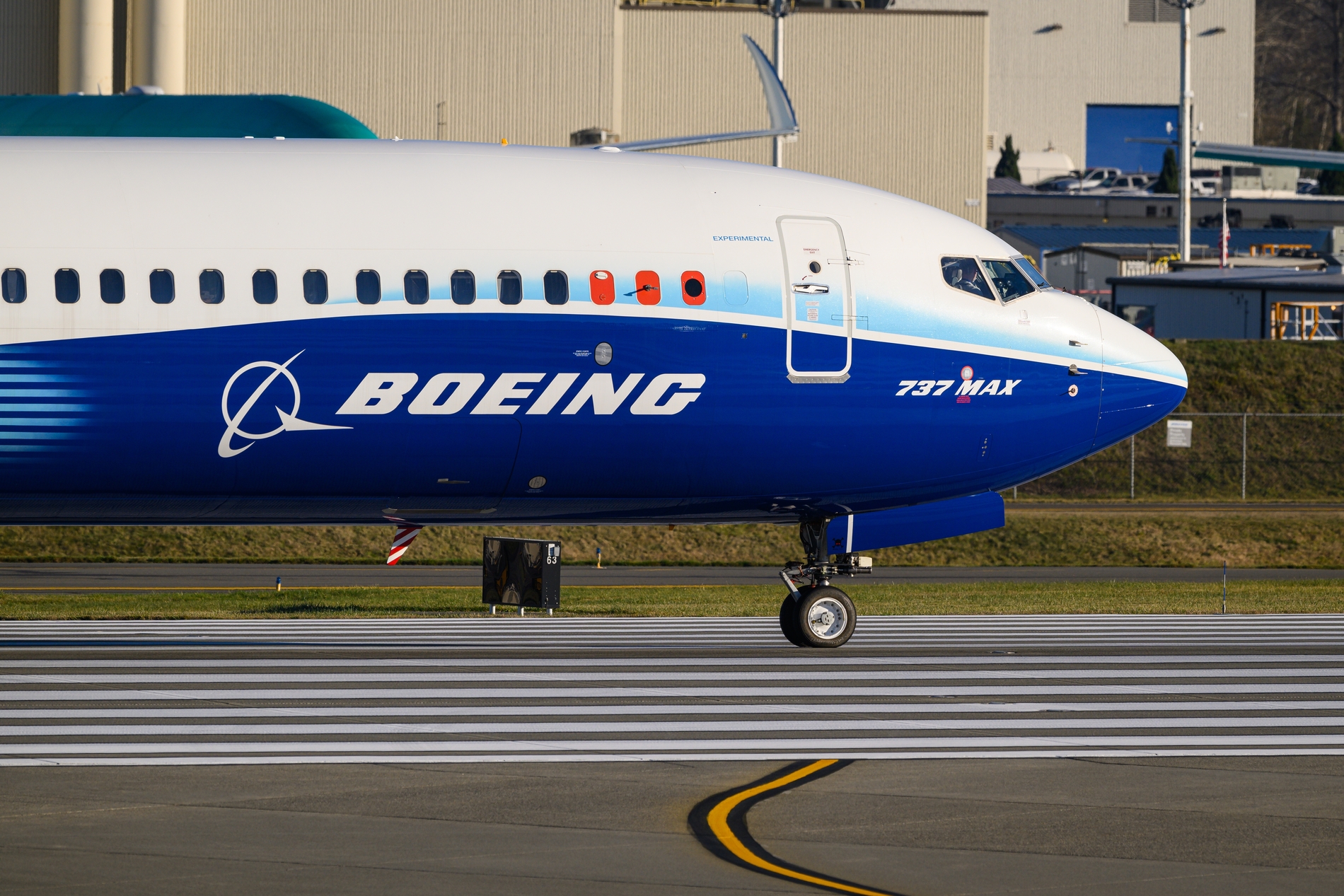
FAA Orders Inspections for Hundreds of Boeing 737 MAX Aircraft

Hundreds of 737 MAX jets will undergo additional checks as the FAA takes a precautionary approach to possible structural cracking.
Boeing

Credit: Shutterstock

The Boeing 737 MAX is facing another round of regulatory attention in the United States. The Federal Aviation Administration (FAA) has ordered inspections of hundreds of aircraft after identifying a potential risk of cracks developing in an important part of the fuselage.

The directive covers an estimated 471 U.S.-registered aircraft, including certain Boeing 737 MAX 8, MAX 9, and 737-8200 models. Importantly, cracks have not currently been reported on the MAX aircraft covered by the order. The inspections are being required because similar cracking was found on older 737 models that share design features with the newer jets.

What Exactly Is the FAA Looking For?

The concern involves a structural component known as a bear strap. These reinforcing sheets help support the fuselage around aircraft door openings.

Cracks were previously discovered around this area on some older Boeing 737 Next Generation aircraft. Because the MAX uses a similar design and manufacturing process, regulators believe the newer planes could potentially develop the same problem over time.

The FAA has warned that cracks left undetected could eventually affect the aircraft’s structural integrity. The inspections are therefore designed to find any problems early enough for repairs to be completed.

This Does Not Mean Hundreds of Planes Are Grounded

For passengers, one important detail is that the FAA has not ordered airlines to immediately ground the affected aircraft.

Instead, inspections will follow schedules based partly on how much individual aircraft have been used. The requirements begin taking effect in September. If inspectors discover cracking, the affected area will need to be repaired according to the required procedures.

Boeing has also said that no cracks have been reported on MAX aircraft so far. That makes the inspections a preventive measure rather than a response to confirmed widespread damage.

Why Older Aircraft Findings Matter

Aircraft manufacturers often use similar structural designs across different versions of an aircraft family. That means a problem discovered on an older model can provide useful information about what regulators should watch for on newer aircraft.

In this case, inspections of older 737 aircraft revealed cracking around the reinforcement near a door opening. Boeing subsequently issued information addressing inspections of newer 737 models, and regulators moved toward making those checks mandatory.

This type of preventive inspection is an important part of aviation maintenance. Aircraft undergo repeated checks throughout their working lives, particularly as they accumulate more flights.

What Does This Mean for Airlines?

Airlines operating affected 737 MAX aircraft will now need to fit the required inspections into their maintenance schedules.

That does not automatically mean passengers should expect widespread cancellations. Since the FAA has provided inspection intervals rather than requiring an immediate grounding, carriers have more flexibility to coordinate the work with existing maintenance periods.

The impact may therefore vary between airlines depending on fleet size, aircraft usage, and maintenance schedules.

Boeing Remains Under Close Attention

The word MAX naturally attracts attention because of Boeing’s recent history. The aircraft family has faced intense regulatory scrutiny following the fatal MAX 8 crashes in 2018 and 2019 and the 2024 Alaska Airlines MAX 9 door-plug incident.

This latest issue is different. It concerns possible structural cracking associated with design characteristics also found on older 737 aircraft, rather than the flight-control system involved in the earlier crashes.

For now, the FAA’s directive is mainly about prevention. Hundreds of aircraft will receive additional inspections so that potential cracks can be identified and repaired well before they become a larger structural concern.