Credit: Shutterstock
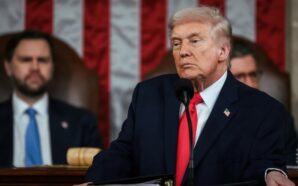
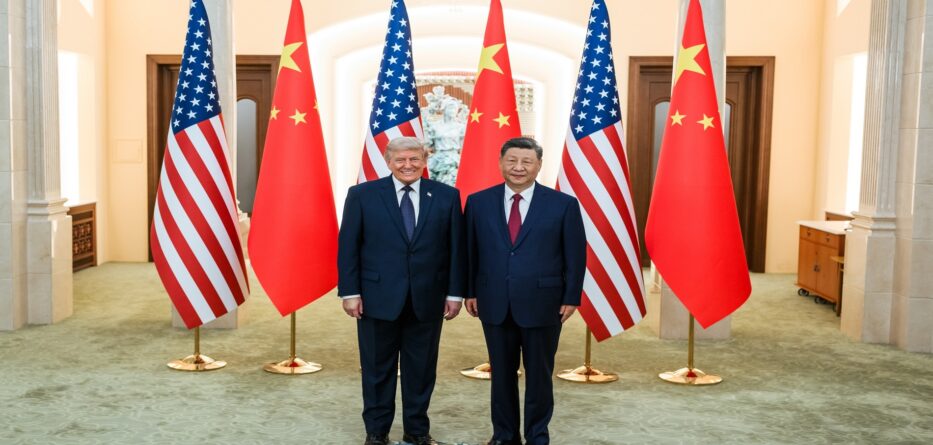
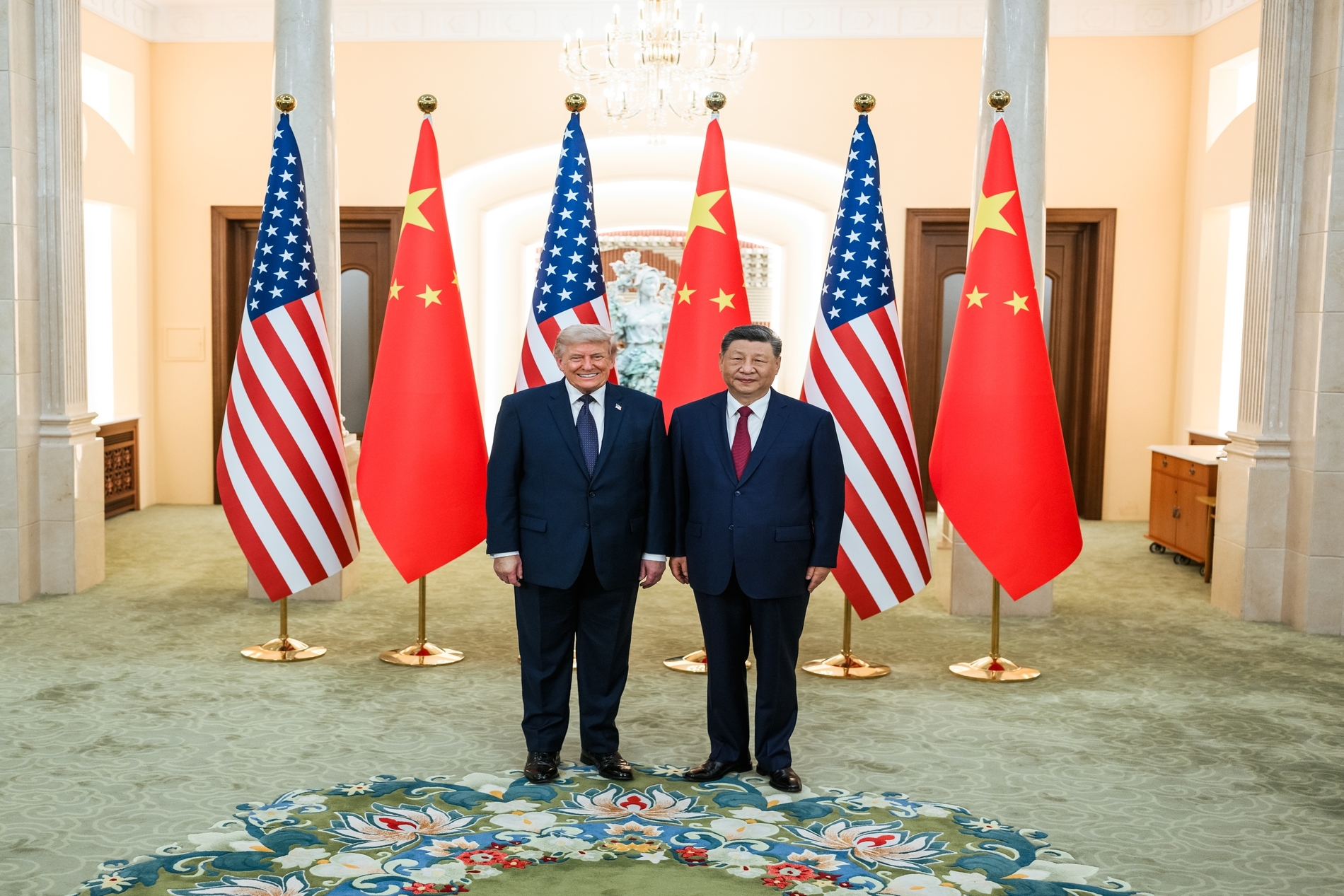
U.S. President Donald Trump hosted Chinese President Xi Jinping in Washington from September 23 to 25 for a three-day state visit that placed trade, technology and global security at the center of renewed U.S.–China diplomacy.
The visit came during a busy week of international diplomacy surrounding the United Nations General Assembly and marked Xi’s first visit to the White House in more than a decade. While major disagreements between the world’s two largest economies remain, the meetings produced several practical areas of cooperation.
Xi Arrives for State Visit
Xi and his wife, Peng Liyuan, arrived in the Washington area on September 23 before attending an official White House state arrival ceremony the following day.
Trump and Xi then held bilateral discussions covering economic relations, emerging technology and international security.
The visit concluded on September 25 after additional meetings and ceremonial events in Washington.
Tariffs Return to the Agenda
Trade remained one of the most important subjects.
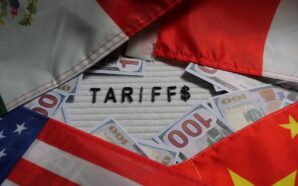
The two countries reached consensus on recommendations for more favorable tariff treatment covering $30 billion of non-sensitive goods in each direction.
For American exports, the proposed categories include agricultural goods, seafood, wood products, cosmetics and medical devices. Chinese products under consideration include toys, small appliances, holiday decorations and children’s car seats.
The measures still need to move through the countries’ respective domestic processes before taking full effect.
Supply Chains Remain a Priority
Critical minerals also remained high on the agenda.
The United States has repeatedly raised concerns about access to rare earths and other minerals that are essential for manufacturing products ranging from electronics to advanced military equipment.
Washington and Beijing agreed to continue working on supply shortages, with the stated goal of returning shipments to more stable levels.
The discussions reflect how deeply connected trade policy has become with technology and national security.
A New Structure for Economic Talks
The two governments also moved forward with the U.S.–China Board of Trade and Board of Investment.
These mechanisms are intended to provide more regular channels for discussing tariffs, market access, investment barriers and other commercial disagreements.
Rather than resolving every economic dispute during a single summit, the boards create a structure through which officials can continue negotiations.
AI Becomes a Bilateral Issue
Artificial intelligence emerged as another notable area of discussion.
The United States and China agreed to establish a dialogue focused on the risks and benefits of increasingly advanced AI systems. The two governments also agreed to create a communication channel for AI-related incidents.
The next exchange is expected by November.
Interestingly, the White House said the leaders agreed to use the term “super intelligence” when discussing the relevant emerging technologies.
Strategic Differences Remain
The talks extended beyond economics and technology.
Trump and Xi discussed Iran, North Korea, Russia and broader strategic stability. Taiwan also remains a major source of disagreement between Washington and Beijing, even as both governments continue diplomatic and economic engagement.
The summit therefore shouldn’t be viewed as an end to U.S.–China competition. Instead, it showed an effort to create more structured communication while managing areas where the two countries’ interests differ.
A More Structured Relationship
The Washington meetings produced fewer dramatic announcements than some previous U.S.–China summits, but they established several mechanisms that could shape future negotiations.
Reduced tariffs on selected goods could ease some commercial pressure, while discussions over rare earth supplies may help address manufacturing concerns.
The new AI dialogue may prove equally important as advanced technology becomes a larger part of economic and national security competition.
For now, the September summit suggests Washington and Beijing are attempting to manage their rivalry through more regular communication, even as significant differences remain.

-
 The United States is entering the final days of its 2026 midterm election campaign, with political advertising reaching unprecedented...
-
With less than two weeks remaining before the November 3, 2026, midterm elections, political campaigns across the United States...
-
The 2026 Nobel Prize announcements celebrated remarkable achievements in science and literature, recognizing researchers who helped solve a longstanding...
-
The U.S. Treasury Department launched a major financial enforcement action on October 1 targeting the A7 Network, a Russia-linked...
-
Wildland firefighters across the United States are facing another demanding fire season, with federal agencies operating at Preparedness Level...
-
A quarter of a century has now passed since September 11, 2001. On September 11, 2026, Americans marked the...
-
The H-1B visa program is back at the center of the U.S. immigration and employment debate. A presidential proclamation...
-
The United States and Venezuela have entered a sweeping energy agreement that could reshape the relationship between the two...
-
The United States has temporarily stepped back from imposing new 50% tariffs on around $20 billion worth of Canadian...
-
The Boeing 737 MAX is facing another round of regulatory attention in the United States. The Federal Aviation Administration...
-
Federal authorities have launched investigations into a series of cyber intrusions targeting municipal water treatment facilities across several U.S....
-
The United States has announced plans to introduce a 50% tariff on approximately $20 billion worth of Canadian imports,...