
Judge Rules Against Trump’s Arts Policy, Citing Free Speech
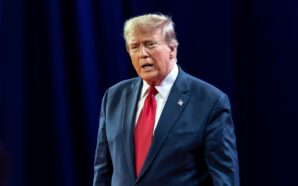
A federal judge has just handed down a big ruling that blocks the Trump administration from restricting arts grants based on so-called “gender ideology.” In a 45-page opinion, U.S. District Judge William E. Smith called the National Endowment for the Arts (NEA) policy unconstitutional, arbitrary, and flat-out discriminatory.
The case, brought by four arts organizations and backed by the ACLU, challenged a rule that forced applicants to steer clear of projects with transgender or nonbinary themes if they wanted federal funding. Smith’s decision halts the policy nationwide, stressing that arts funding should be about “artistic merit and excellence,” not political litmus tests.
How We Got Here
On January 20, 2025, President Trump signed an executive order directing agencies to stop funding anything that promoted “gender ideology.” The NEA responded with a new rule requiring applicants to certify they wouldn’t cross that line. After initial pushback, the policy was softened but still allowed officials to downgrade projects seen as promoting those themes.
Groups like Rhode Island Latino Arts, National Queer Theater, and The Theater Offensive sued, arguing the rule violated free speech and forced artists to self-censor. Judge Smith agreed, saying the policy turned the NEA into a “government propaganda machine.”
The Ruling
Smith’s opinion cut straight to the heart of the issue:
- First Amendment: The rule punished artists for their viewpoint, which is unconstitutional.
- Administrative Law: The NEA never explained what “gender ideology” means or how it relates to artistic merit.
- NEA Statute: The agency’s job is to support expression, not police it.
“The NEA was designed not as an instrument of political communication but as a vehicle for private expression,” Smith wrote.
What’s Next
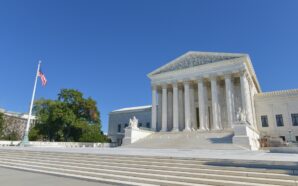
The Trump administration hasn’t filed an appeal yet, but it has 30 days to do so. A challenge could eventually land at the Supreme Court, where free speech rulings have gone both ways.
For now, artists are celebrating. “This is a huge victory for free expression,” said ACLU attorney Chase Strangio. Arts groups echoed the sentiment, saying the ruling ensures creators don’t have to hide their stories to get support.
Why It Matters
This decision fits into a larger trend: courts pushing back against Trump-era attempts to cut off funding tied to diversity, equity, and gender issues. Similar policies on health care and scientific research have already been struck down.
-
 How Many Policies Actually HELPED Americans? A year into his second term, President Trump made a lot of promises...
 -
In a surprising move that has captured attention across the tech world, the U.S. government has ordered Anthropic to...
-
Election season always brings strong opinions, and this year’s California primary elections were no exception. Following several closely watched...
-
On Tuesday, the White House introduced a major update to cybersecurity regulations targeting the protection of advanced artificial intelligence...
-
A United Airlines flight faced a tense situation on Saturday evening when a passenger tried to get into the...
-
A high-intensity security incident unfolded in Washington, D.C., on Saturday evening, drawing immediate attention and a swift law enforcement...
-
A routine military demonstration at Mountain Home Air Force Base in western Idaho took a dramatic turn over the...
-
A rare hantavirus outbreak linked to the M/V Hondius cruise ship has moved from a medical emergency at sea...
-
On April 1, the U.S. Supreme Court began hearing arguments in one of the year’s most high-stakes legal battles:...
-
A highly anticipated diplomatic summit between the United States and Iran in Islamabad collapsed before formal talks could even...
-
Todd Lyons, the acting director of U.S. Immigration and Customs Enforcement (ICE), announced that he will step down at...
-
On Sunday night, April 13, President Donald Trump ignited a major online controversy after posting an AI-generated image on...