Court says only a Senate-confirmed board has that power
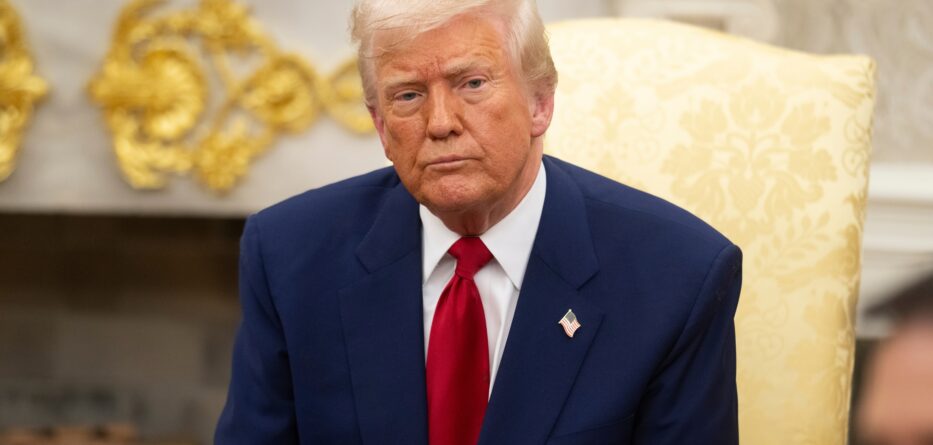
A federal judge has blocked the Trump administration’s effort to remove Michael Abramowitz, the director of Voice of America (VOA), ruling that the move violated federal law.
The ruling
U.S. District Judge Royce Lamberth issued a permanent injunction on August 28, stating that only the International Broadcasting Advisory Board, which requires Senate confirmation, has the legal authority to dismiss a VOA director. Since President Trump had previously dissolved that board, his appointee, Kari Lake, lacked the power to fire Abramowitz. The court described the attempted dismissal as “plainly contrary to law.”
What triggered the dispute
Kari Lake, appointed by Trump to oversee the U.S. Agency for Global Media, had ordered Abramowitz removed after he refused reassignment to manage a transmitting station. The decision was part of a larger restructuring effort at USAGM that included layoffs and attempts to consolidate leadership control over federally funded international broadcasters.
Responses from both sides
Abramowitz, a veteran journalist and former Washington Post editor, praised the court’s decision. He emphasized that VOA’s independence is essential for its mission of providing reliable, fact-based news to global audiences, particularly in regions where press freedom is restricted.
Lake strongly criticized the ruling, framing it as an attack on presidential authority. She vowed to appeal, arguing that the executive branch must retain the ability to restructure agencies and remove officials who resist new directives.
Why it matters
The case highlights an ongoing struggle over the independence of U.S.-funded international media outlets. Critics of Trump’s moves see them as attempts to politicize VOA, while supporters argue that the administration should have greater control over taxpayer-funded institutions.
For now, Abramowitz will remain in his post, and the ruling reasserts a clear boundary: leadership at Voice of America cannot be removed without Senate involvement.
Bottom line
The clash over VOA is bigger than one job; it’s about the balance between executive authority and the legal safeguards designed to protect press independence. With an appeal likely, the fight over who controls America’s international voice is far from over.
-
 U.S. President Donald Trump hosted Chinese President Xi Jinping in Washington from September 23 to 25 for a three-day...
 -
Wildland firefighters across the United States are facing another demanding fire season, with federal agencies operating at Preparedness Level...
-
A quarter of a century has now passed since September 11, 2001. On September 11, 2026, Americans marked the...
-
The H-1B visa program is back at the center of the U.S. immigration and employment debate. A presidential proclamation...
-
The United States and Venezuela have entered a sweeping energy agreement that could reshape the relationship between the two...
-
The United States has temporarily stepped back from imposing new 50% tariffs on around $20 billion worth of Canadian...
-
The Boeing 737 MAX is facing another round of regulatory attention in the United States. The Federal Aviation Administration...
-
Federal authorities have launched investigations into a series of cyber intrusions targeting municipal water treatment facilities across several U.S....
-
The United States has announced plans to introduce a 50% tariff on approximately $20 billion worth of Canadian imports,...
-
Recent court documents released on July 20 show that federal investigators sought phone records belonging to several New York...
-
Washington entered a period of transition following the death of Republican Senator Lindsey Graham on Saturday, July 11. Graham,...
-
Following a tense weekend in the Strait of Hormuz, the U.S. carried out a significant wave of airstrikes targeting...