Credit: Shutterstock
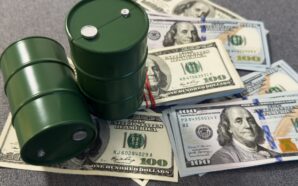
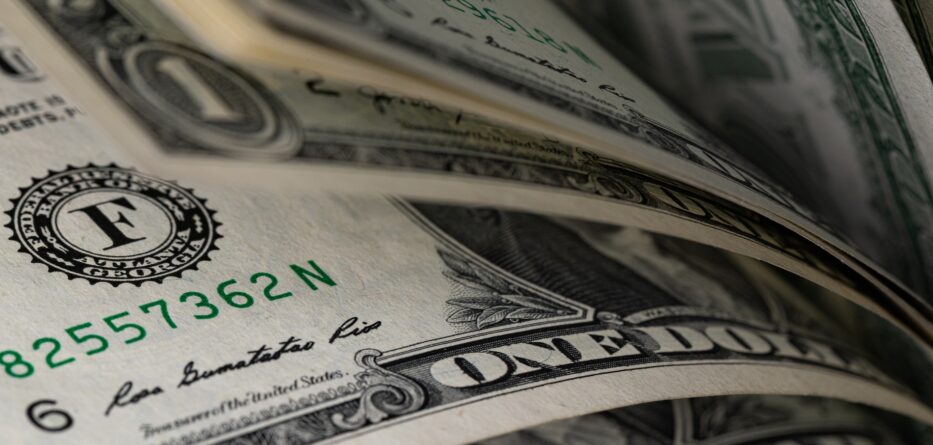
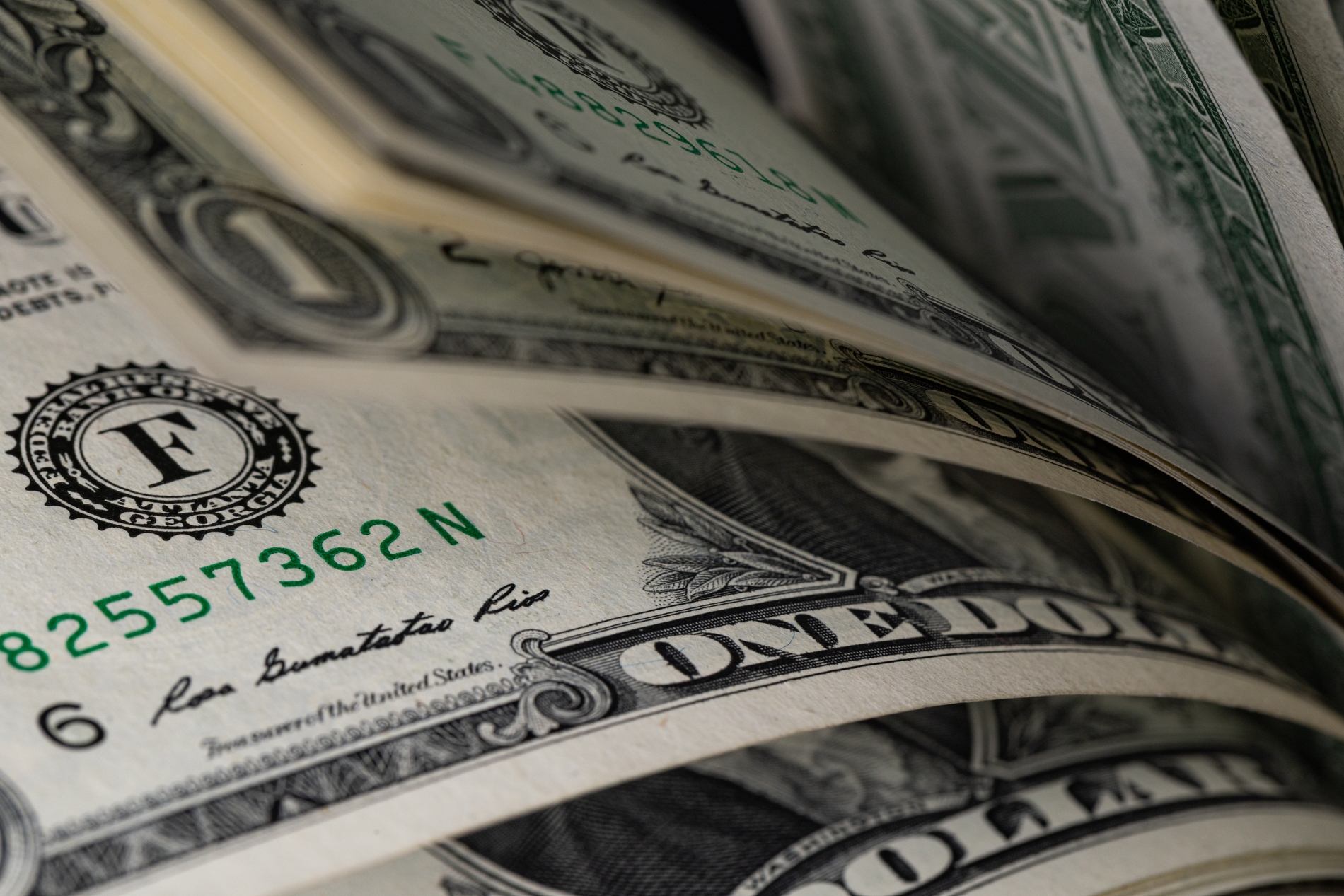
The U.S. dollar surged in early July as investors sought safety amid ongoing geopolitical tensions in the Gulf. The official breakdown of the U.S.-Iran de-escalation framework and escalating military friction prompted global investors to shift their focus toward the dollar, reaffirming its role as the world’s primary safe-haven currency. By July 8, the dollar had climbed 2.9 percent from its previous seasonal lows, reflecting widespread demand for security in uncertain times.
The Geopolitical Backdrop
Tensions in the Gulf have a direct impact on financial markets. Concerns over potential military conflicts and disruptions to key shipping lanes make investors cautious. When uncertainty rises, they often turn to the U.S. dollar, which is widely considered a stable asset. The breakdown of the de-escalation framework between the U.S. and Iran further fueled concerns, pushing global investors to prioritize safety over higher-risk investments.
The Dollar’s Safe-Haven Rally
The safe-haven effect was evident in currency markets. Investors around the world moved funds into dollars, boosting its value against other major currencies. This type of market behavior is common during periods of uncertainty, as the dollar is seen as a reliable store of value. Traders expect that in times of geopolitical risk, demand for dollars increases, which can lead to short-term rallies like the one observed in early July.
Oil Market Reactions
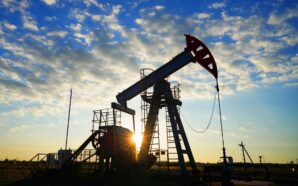
While the dollar gained, oil markets experienced volatility. Brent crude futures initially spiked sharply due to fears that military action in the Gulf could block tankers passing through the Strait of Hormuz, a critical chokepoint for global oil shipments. By mid-week, however, prices eased slightly, dropping 2.2 percent to $76.30 per barrel. Traders closely monitored real-time supply risks and physical shipments, adjusting their positions as news clarified the immediate threat to oil flows.
The Interconnected Market Effects
The situation highlights how geopolitical events, currency markets, and commodities are interconnected. A surge in safe-haven demand for the dollar can influence commodity pricing, trade flows, and investor sentiment globally. Oil prices are particularly sensitive to Gulf tensions, given the region’s critical role in global energy supply. Movements in the dollar and oil often affect each other, creating complex market dynamics that traders must navigate carefully.
Implications for Investors
For investors, these market movements underline the importance of staying informed and prepared for sudden changes. Safe-haven assets like the dollar can provide stability during periods of uncertainty, but volatility in commodities and other risk-sensitive investments remains high. Understanding the relationship between geopolitical events, currency markets, and global trade helps investors make better-informed decisions.
Looking Ahead
As tensions in the Gulf continue to evolve, currency and commodity markets are likely to remain reactive. Analysts will watch diplomatic developments, shipping security, and economic indicators closely to gauge future market trends. For now, the U.S. dollar remains a go-to asset for safety, and global investors are adjusting portfolios accordingly.
The early July surge of the U.S. dollar demonstrates how geopolitical risk drives safe-haven buying. Meanwhile, oil markets reflect the ongoing uncertainty surrounding global supply. Together, these dynamics provide a reminder of how international events shape financial markets in real time.

-
 Mattel has attracted preliminary takeover interest from Authentic Brands Group, raising the possibility of a multibillion-dollar deal involving one...
 -
Oil prices surged again on September 28 as hopes for a quick resolution to the U.S.-Iran conflict weakened and...
-
The U.S. 10-year Treasury yield has pushed through the closely watched 5% level, adding another challenge for investors already...
-
Rocket Lab has completed a $1.944 billion at-the-market equity offering as it moves closer to acquiring satellite communications company...
-
The global economy has handled several major shocks better than many economists initially expected. But International Monetary Fund Managing...
-
Global oil markets started September with another sharp reminder of just how quickly geopolitical tension can move energy prices....
-
Two very different parts of the financial market moved higher this week. Global oil prices climbed to their highest...
-
The Federal Reserve’s July meeting minutes have given investors a clearer look at what policymakers are thinking about inflation...
-
Oil prices jumped sharply on August 10 as uncertainty surrounding shipping through the Strait of Hormuz returned to the...
-
The first week of August brought a fresh wave of attention to India’s economy. The Reserve Bank of India...
-
Global financial markets experienced fresh movement as oil prices climbed, Treasury yields shifted, and investors looked for stability following...
-
South Korea took swift action on July 21 to address recent volatility in its currency markets. The Korean Won...