The World’s Most Expensive Substance Costs More Than the Global Economy
Imagine a material so rare and difficult to produce that just one gram would cost an astonishing $62 trillion—more than the entire world’s annual economy. This mind-blowing substance isn’t gold, diamonds, or any other precious metal. It’s antimatter, the most expensive and elusive material known to science.
What Makes Antimatter So Special?
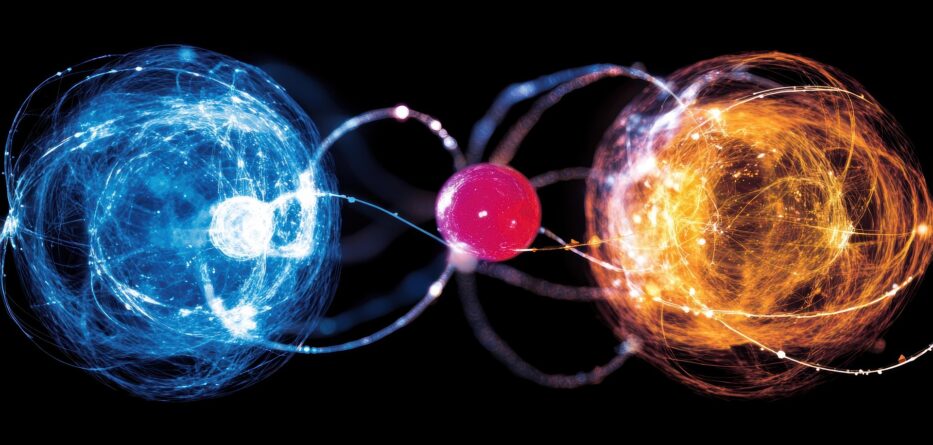
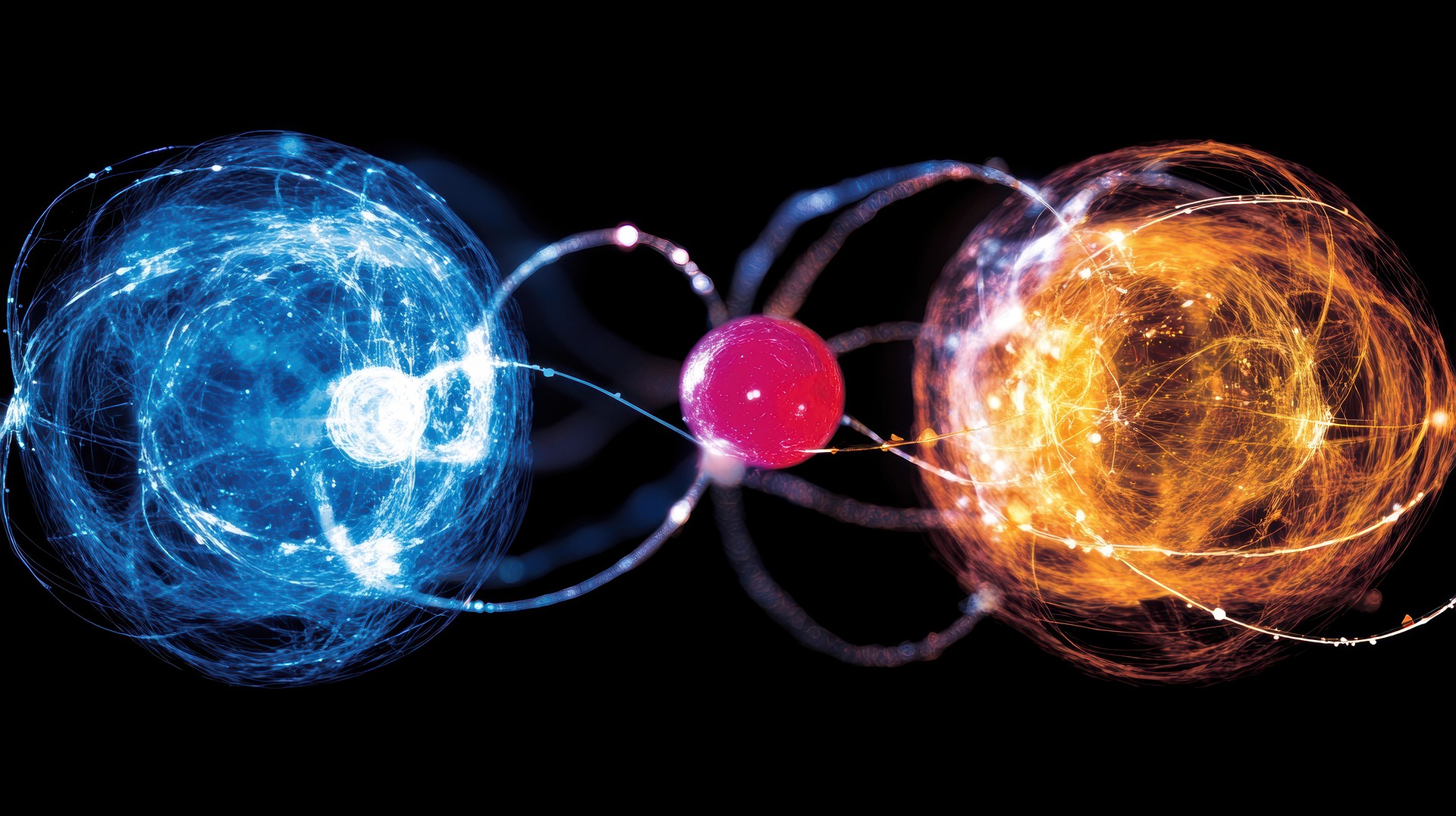
Antimatter is essentially the mirror opposite of regular matter. For every type of particle we know—protons, electrons, and neutrons—there exists an antimatter version with the same mass but the opposite charge. When matter and antimatter come into contact, they annihilate each other in a powerful explosion of pure energy.
This rare and volatile nature makes antimatter nearly impossible to collect or store. Unlike diamonds or gold, which can be mined, antimatter must be created atom by atom in highly controlled environments like CERN’s Large Hadron Collider (LHC) in Switzerland.
💰 Did you know the most expensive substance on Earth costs a mind-boggling $62 trillion per gram? 💸 info below 👇 pic.twitter.com/ahERDaMmQ0
— Dr. CZ (@AngelMD1103) February 18, 2025
The Science Behind the Price Tag
Because antimatter is not naturally available in any usable quantity, scientists must manufacture it using massive amounts of energy. At CERN, protons are accelerated to near-light speed and smashed into iridium blocks, occasionally generating antimatter particles. But here’s the catch—only one in a million collisions produces a single antiparticle.
The process requires so much energy that CERN’s accelerators consume more electricity than the entire city of London each year. Even after antimatter is created, it must be stored in a vacuum and suspended by powerful magnets to prevent it from instantly being destroyed by contact with normal matter.
According to CERN scientists, producing just one 100th of a nanogram of antimatter costs as much as a kilogram of gold. That translates to an unimaginable $62 trillion per gram—or more than the entire world’s combined GDP.
Why Bother Making Antimatter?
Given its astronomical cost and extreme volatility, you might wonder why scientists are so eager to study antimatter. The answer? It could unlock some of the biggest mysteries of the universe.
Physicists believe that, at the moment of the Big Bang, equal amounts of matter and antimatter were created. Yet today, the universe is overwhelmingly made of matter—raising the question: where did all the antimatter go? Studying this strange substance could provide clues about how the universe was formed and why it exists as we see it today.
Additionally, antimatter has the potential for revolutionary applications. If scientists can harness its annihilation energy safely, it could become a next-generation power source, fueling space travel and even replacing nuclear energy with a cleaner, more powerful alternative.
A Glimpse Into the Future
While we are still far from producing antimatter in useful quantities, researchers continue to push the boundaries. The ability to create and store antimatter for longer periods is a major step forward, and future breakthroughs could bring costs down significantly.
For now, antimatter remains the most expensive substance on Earth, a marvel of modern physics that exists more in theory than in reality. But with ongoing advancements in particle physics, who knows? One day, antimatter might power the future—or unlock the secrets of the cosmos.


-
 A powerful 7.4-magnitude earthquake struck western Colombia on August 10, shaking cities across the country and sending tremors into...
 -
The United Kingdom’s AI Safety and Security Institute has released new evaluation findings examining how advanced artificial intelligence models...
-
A powerful heatwave sweeping across Western Europe has triggered one of the most serious wildfire emergencies in recent years....
-
On July 20, federal authorities in the United States handed down a life sentence to Ismael “El Mayo” Zambada,...
-
The United Kingdom’s political landscape has experienced a major change as Greater Manchester Mayor Andy Burnham prepares to step...
-
The 2026 NATO Summit officially began in Ankara, Turkey, drawing attention from world leaders, defense analysts, and media alike....
-
Europe is dealing with one of its harshest early-summer heat waves in years. What started as an intense spell...
-
In a dramatic turn of events off the coast of Oman on June 14, an Indian-flagged dhow sank in...
-
South Korea has taken a major step toward digital modernization with President Lee Jae-myung nominating Han Seong-sook as the...
-
Saudi Arabia’s economy has spent the past few years building a reputation for strength, reform, and steady growth. The...
-
Each year, millions of Muslims from around the world travel to Saudi Arabia to participate in the Hajj pilgrimage,...
-
Grassroots environmental movements in Europe have achieved a significant milestone within the European Union. On a recent decision in...