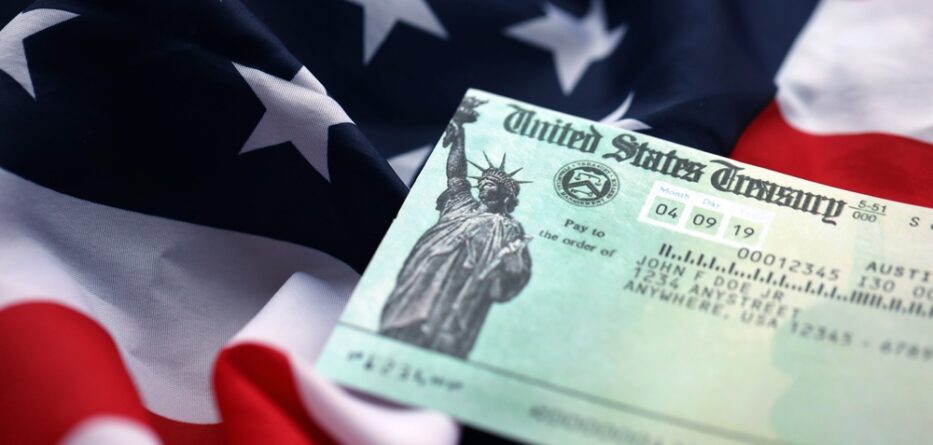
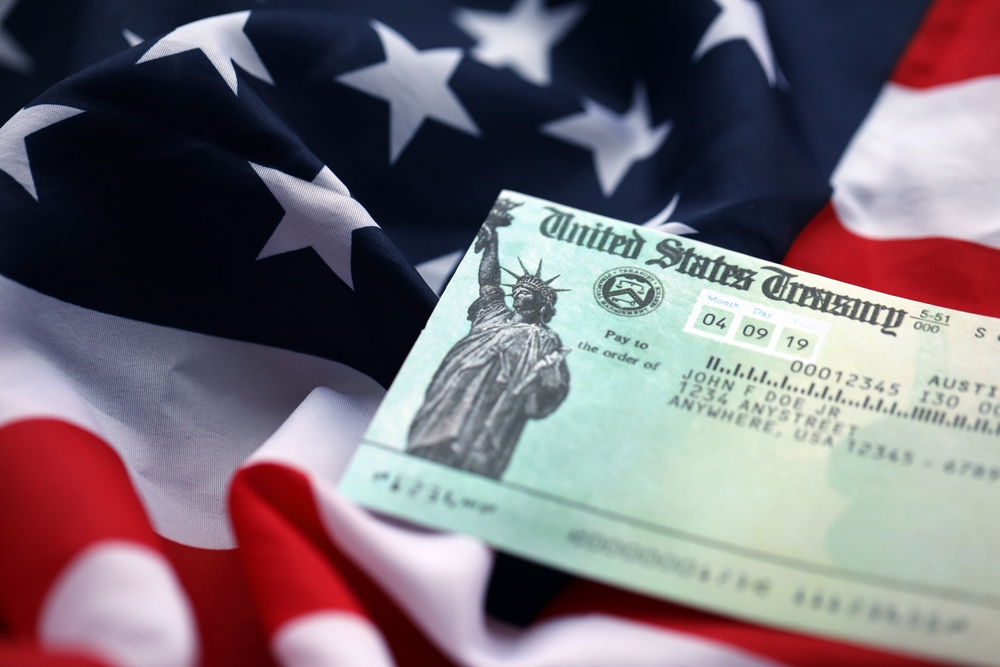
A surprise economic plot twist may be brewing as America heads into the new year: millions of households could soon receive tax refunds so large, they might accidentally kick inflation back into high gear.
This unexpected twist stems from President Donald Trump’s recently approved tax package—nicknamed by GOP leaders as the “One Big Beautiful Bill.” While the law was billed as a boost to taxpayers, economists now say its generous retroactive benefits—stretching all the way back to 2025—could unleash a spending wave powerful enough to nudge prices upward again.
Financial strategists are calling it a “refund surge,” and the numbers are eye-catching. JP Morgan Asset Management estimates the IRS may send an average refund of $3,278 to more than 104 million Americans—with both figures potentially climbing even higher once final adjustments are made.
“This will feel a lot like a mini-stimulus,” says David Kelly, the firm’s chief global strategist. “It won’t be as rapid-fire as the pandemic payments, but the boost to spending could be meaningful.”
Some experts warn that this unexpected cash stream, arriving just as the Federal Reserve faces pressure to cut interest rates again in December, could create a challenging cross-current for policymakers.
“We’re adding more fuel to consumer demand right when the central bank is being pushed to ease policy,” says David Kotok, co-founder of Cumberland Advisors. “That combination tends to push prices up, not down.”
Complicating matters further, Washington continues to churn out headline-grabbing policies that create uncertainty for businesses and households alike. “This economy is being shocked on a daily basis,” Kotok adds. “I don’t expect inflation to quietly fade into the background anytime soon.”
And yet—American consumers appear unfazed. Despite recession chatter, household spending remains as lively as ever. Data from Adobe show holiday purchases through Cyber Monday jumped 7.1% from last year, reflecting a public that seems surprisingly resilient.
Ed Al-Hussainy of Columbia Threadneedle Investments argues that fears of a fragile consumer are misplaced. “There’s no sign of people clutching their wallets,” he says. “Every forecast that assumes they’ll suddenly pull back has been proven wrong.”
Still, not all indicators point to runaway inflation. Several economic research groups, including Pantheon Macroeconomics, predict that slowing wage growth and cooling service-sector prices will steer inflation lower in the coming months—regardless of a short-term spending bump.
Al-Hussainy stresses that wage trends remain the heartbeat of inflation: “Without strong wage growth, inflation has a hard time sticking. What we’re seeing now feels more like a slow leak than an overheating balloon.”
As tax season approaches, Americans may soon find extra cash in their bank accounts—and the country may discover whether a well-meaning tax break can inadvertently reshape the nation’s economic trajectory.


-
 The global economy has handled several major shocks better than many economists initially expected. But International Monetary Fund Managing...
 -
Global oil markets started September with another sharp reminder of just how quickly geopolitical tension can move energy prices....
-
Two very different parts of the financial market moved higher this week. Global oil prices climbed to their highest...
-
The Federal Reserve’s July meeting minutes have given investors a clearer look at what policymakers are thinking about inflation...
-
Oil prices jumped sharply on August 10 as uncertainty surrounding shipping through the Strait of Hormuz returned to the...
-
The first week of August brought a fresh wave of attention to India’s economy. The Reserve Bank of India...
-
Global financial markets experienced fresh movement as oil prices climbed, Treasury yields shifted, and investors looked for stability following...
-
South Korea took swift action on July 21 to address recent volatility in its currency markets. The Korean Won...
-
The Bank of Canada (BoC) has decided to keep its benchmark overnight interest rate steady at 2.25% for the...
-
The U.S. dollar surged in early July as investors sought safety amid ongoing geopolitical tensions in the Gulf. The...
-
As the United States prepares to celebrate Independence Day, financial markets take a pause. In 2026, the holiday falls...
-
The Japanese yen has fallen to its weakest level against the U.S. dollar in nearly four decades, marking a...