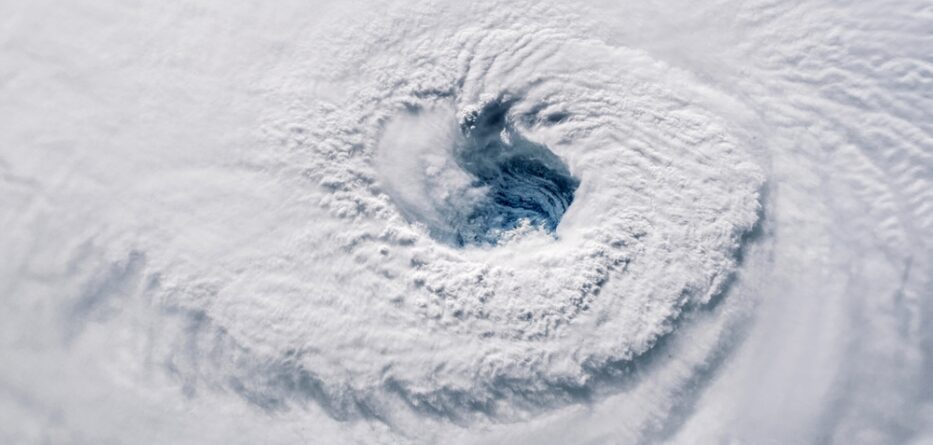

As Hurricane Melissa tore across the Atlantic, shattering records and testing the limits of modern aircraft, a team of fearless National Oceanic and Atmospheric Administration (NOAA) Hurricane Hunters continued to soar directly into the storm’s heart — all while going unpaid due to the ongoing federal government shutdown.
Flying Through Fury
For the past week, these pilots, engineers, and meteorologists have faced the full fury of one of the most powerful storms ever recorded, enduring violent turbulence, screaming winds, and life-threatening conditions — not for a paycheck, but for the mission of keeping people safe.
Dedication Beyond Pay
“Our Hurricane Hunters have been working nonstop, 24/7, to gather the critical data that helps save lives,” said NOAA spokesperson Kim Doster. “Even in the middle of a government shutdown, their commitment to public safety has never wavered. NOAA looks forward to a swift end to this crisis so these dedicated crews can receive the pay they have rightfully earned.”
The Tech Behind the Mission
The NOAA crews fly decades-old WP-3D Orion aircraft, outfitted with some of the most advanced weather instrumentation in the world — including a tail-mounted Doppler radar that provides what experts call a “virtual CT scan” of the storm. The information they collect feeds directly into forecasting models that determine a hurricane’s path, strength, and potential impact zones.
Extreme Turbulence and Relentless Resolve
But inside the aircraft, the conditions have been anything but calm. One recent flight through Melissa encountered such extreme turbulence that the plane briefly exceeded its g-force limits, forcing an emergency inspection. In onboard footage, crew members can be heard shouting and laughing nervously as loose equipment rattled overhead and the aircraft bucked violently. Hours later, that same plane — cleared for service — was back in the air, flying straight into the storm again.
Human Cost of Heroism
“Being fully focused up there is hard when you’re worrying about bills at home,” said one NOAA crew member, speaking anonymously. “You’re dipping into savings just to stay afloat. But the mission comes first — people depend on us.”
Melissa’s Destructive Power
Melissa, which roared into Jamaica with sustained winds of 185 mph, tied for the strongest Atlantic hurricane ever recorded at landfall. The storm caused catastrophic damage to the island and claimed at least 19 lives before pushing north toward Bermuda. Through it all, NOAA’s teams continued to fly, providing real-time data that improved forecasts and allowed local authorities to issue timely evacuation orders.
Unpaid but Unbroken
Even as their paychecks remain frozen, the NOAA Hurricane Hunters continue to answer every request from the National Hurricane Center — ensuring their data supports both U.S. and international partners.
Honor and Gratitude
“It’s remarkable,” said Dr. Andy Hazelton, a NOAA hurricane researcher with the University of Miami. “These crews are facing one of the toughest storms we’ve seen in years, doing dangerous, highly technical work — all while not getting paid. They deserve every bit of credit and gratitude.”
A Legacy of Courage
As Hurricane Melissa begins to weaken and move out to sea, one thing remains clear: the NOAA Hurricane Hunters have once again proven that their courage, professionalism, and commitment to public safety run deeper than any storm.
About NOAA
The National Oceanic and Atmospheric Administration (NOAA) is a U.S. federal agency dedicated to understanding and predicting changes in climate, weather, oceans, and coasts. NOAA’s Hurricane Hunters play a vital role in collecting critical storm data that helps protect lives and property across the globe.

-
 On May 12, 2026, Portugal saw a nationwide strike led by the Portuguese Nurses Union (SEP), coinciding with International...
 -
On Sunday, April 5, the world of media and beyond mourned the loss of Ted Turner, the visionary founder...
-
SpaceX signaled a major shift in direction by officially expanding into a dedicated AI division, moving beyond automation tools...
-
Artificial Intelligence is becoming one of the biggest forces shaping healthcare across Europe, and new reports released through UN...
-
NASA’s Artemis II mission has officially completed one of the most significant crewed space missions in modern history. The...
-
On April 1, 2026, NASA successfully launched the Artemis II mission, marking the first crewed flight of the Orion...
-
On March 26, Canada officially reached NATO’s long-standing benchmark of spending 2% of its GDP on defence, a target...
-
A Russian Progress cargo spacecraft launched successfully on March 22, continuing a vital series of missions that keep the...
-
Cities around the world came alive between March 14 and March 17 as St. Patrick’s Day celebrations brought people...
-
A noticeable decline in Canadian travel to the United States is drawing attention across the tourism industry. Recent data...
-
Russia has reportedly lost one of its advanced BMPT “Terminator” armored combat vehicles during the ongoing conflict in Ukraine....
-
Credit: Shutterstock The Winter Games delivered more than high-speed thrills this week as Israel’s history-making bobsleigh team found itself...