


-
 Two very different parts of the financial market moved higher this week. Global oil prices climbed to their highest...
 -
The Federal Reserve’s July meeting minutes have given investors a clearer look at what policymakers are thinking about inflation...
-
Oil prices jumped sharply on August 10 as uncertainty surrounding shipping through the Strait of Hormuz returned to the...
-
The first week of August brought a fresh wave of attention to India’s economy. The Reserve Bank of India...
-
Global financial markets experienced fresh movement as oil prices climbed, Treasury yields shifted, and investors looked for stability following...
-
South Korea took swift action on July 21 to address recent volatility in its currency markets. The Korean Won...
-
The Bank of Canada (BoC) has decided to keep its benchmark overnight interest rate steady at 2.25% for the...
-
The U.S. dollar surged in early July as investors sought safety amid ongoing geopolitical tensions in the Gulf. The...
-
As the United States prepares to celebrate Independence Day, financial markets take a pause. In 2026, the holiday falls...
-
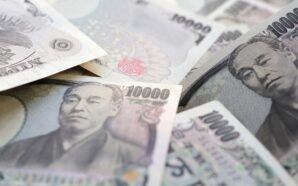
The Japanese yen has fallen to its weakest level against the U.S. dollar in nearly four decades, marking a...
-
Global stock markets experienced a wave of optimism following the announcement of a diplomatic breakthrough aimed at stabilizing key...
-
For months, many investors hoped inflation would continue cooling and open the door for interest rate cuts from the...
South Korean Bill Limits Apple and Google Control Over Payment Methods
Apple and Google can no longer force app developers to use their payment methods.