

The Fed’s “Steady as She Goes” Decision

Rates stay put as inflation pressure and leadership changes shape the next chapter
Feds

Credit: Shutterstock

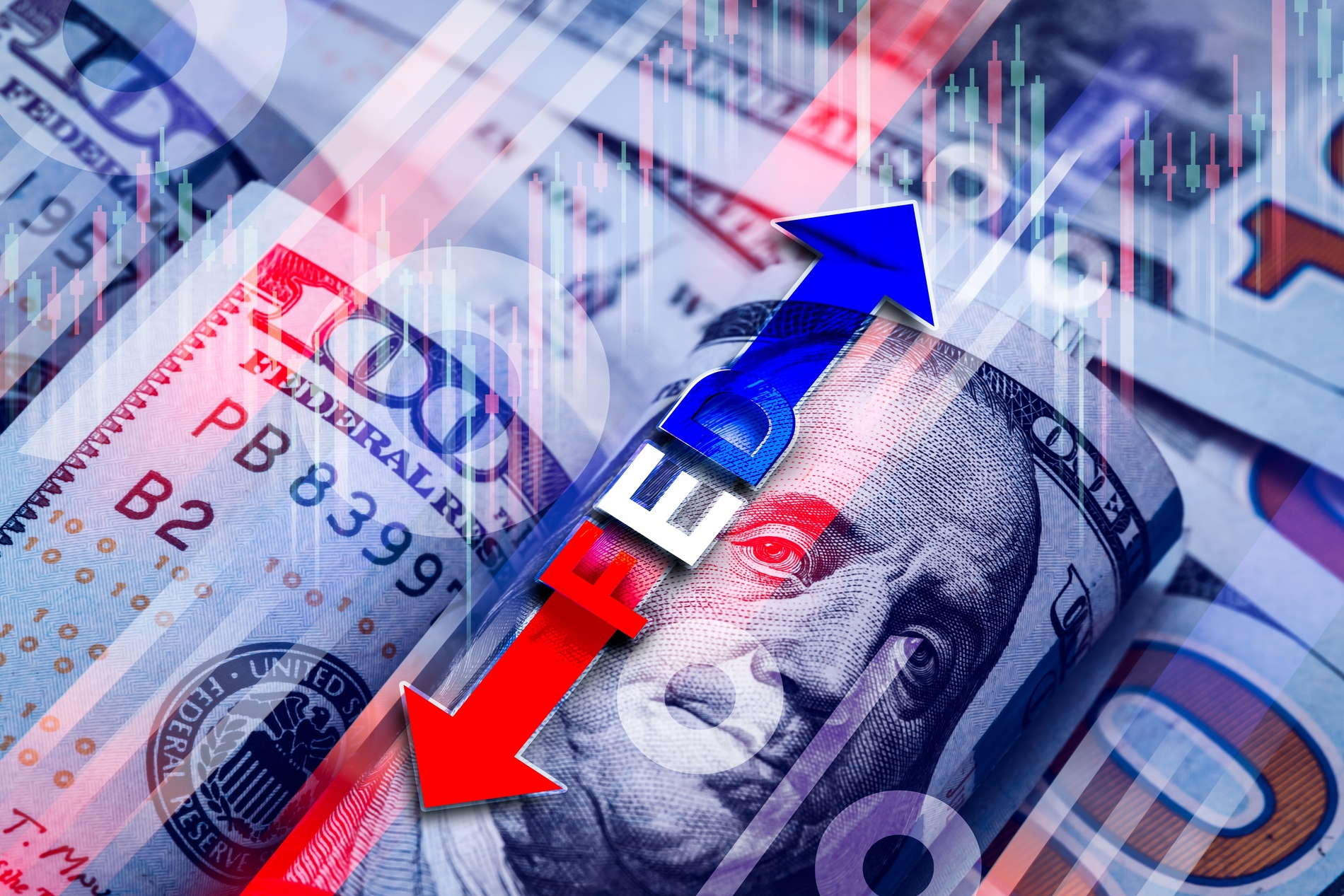
On Wednesday, April 29, the Federal Open Market Committee wrapped up its closely watched two-day meeting with a decision markets largely expected: interest rates were left unchanged. But while the rate hold itself was not surprising, the tone behind it carried much more weight.

With inflation still stubbornly elevated and global energy concerns adding pressure, the Federal Reserve made it clear that it is not in a hurry to begin cutting rates. Reuters reported that rising oil prices tied to conflict around Iran and the continued disruption of the Strait of Hormuz pushed inflation concerns higher, with oil climbing back above $110 per barrel.

Rate Hold, But a Hawkish Message

The Fed chose to keep rates steady around the current 3.50% to 3.75% range, but the statement carried a distinctly hawkish tone. Inflation remains above the Fed’s long-term 2% target, and high gasoline prices are making that challenge harder to solve.

The closure of the Strait of Hormuz has added even more pressure by disrupting global energy flows and raising fuel costs. That creates a difficult situation for policymakers because energy inflation spreads quickly into transportation, goods, and household expenses.

Rather than signaling quick relief through rate cuts, the Fed’s message suggested patience and caution.

The Kevin Warsh Era Begins to Take Shape

A major part of market attention shifted toward Fed Chair nominee Kevin Warsh, who is expected to succeed Jerome Powell soon. On the same day as the FOMC decision, Warsh moved closer to confirmation through the Senate Banking Committee.

Warsh has been signaling a different communication style for the central bank. He has pushed for less “Fed speak,” fewer layered forecasts, and more focus on the Fed’s balance sheet and bond holdings. According to reporting from The Washington Post, he has also questioned the value of quarterly interest-rate projections and favors reducing the Fed’s oversized bond portfolio.

For investors, this points to a monetary environment that may feel more predictable in language, but potentially tighter in practice.

A Strong Labor Market Gives the Fed Time

One reason the Fed feels comfortable holding rates steady is the continued strength of the labor market. Unemployment remains relatively low, around 4.3%, and job growth has stayed stronger than many economists expected. Reuters noted that strong hiring and low layoffs have reduced the urgency for immediate rate cuts.

This gives the central bank more room to fight inflation without worrying that the economy is slipping into a sharp slowdown.

In simple terms, if jobs remain strong, the Fed does not need to rush to stimulate growth.

Powell’s Final Chapter

This meeting may also mark Jerome Powell’s final FOMC meeting as Chair before his term ends in May. That added another layer of significance to the announcement.

Powell’s final message was one of stability: inflation still matters, patience is necessary, and the economy remains strong enough to handle firm policy.

As leadership shifts to Warsh, markets are now watching not just what the Fed does next, but how it chooses to explain it.

What Comes Next

For now, the message is simple: no cuts yet.

The Fed is choosing stability over speed, keeping rates steady while watching inflation closely. With oil prices high, labor markets strong, and a new leadership era approaching, monetary policy is entering a new phase.

The steady approach may feel quiet, but in markets, quiet often says the most.