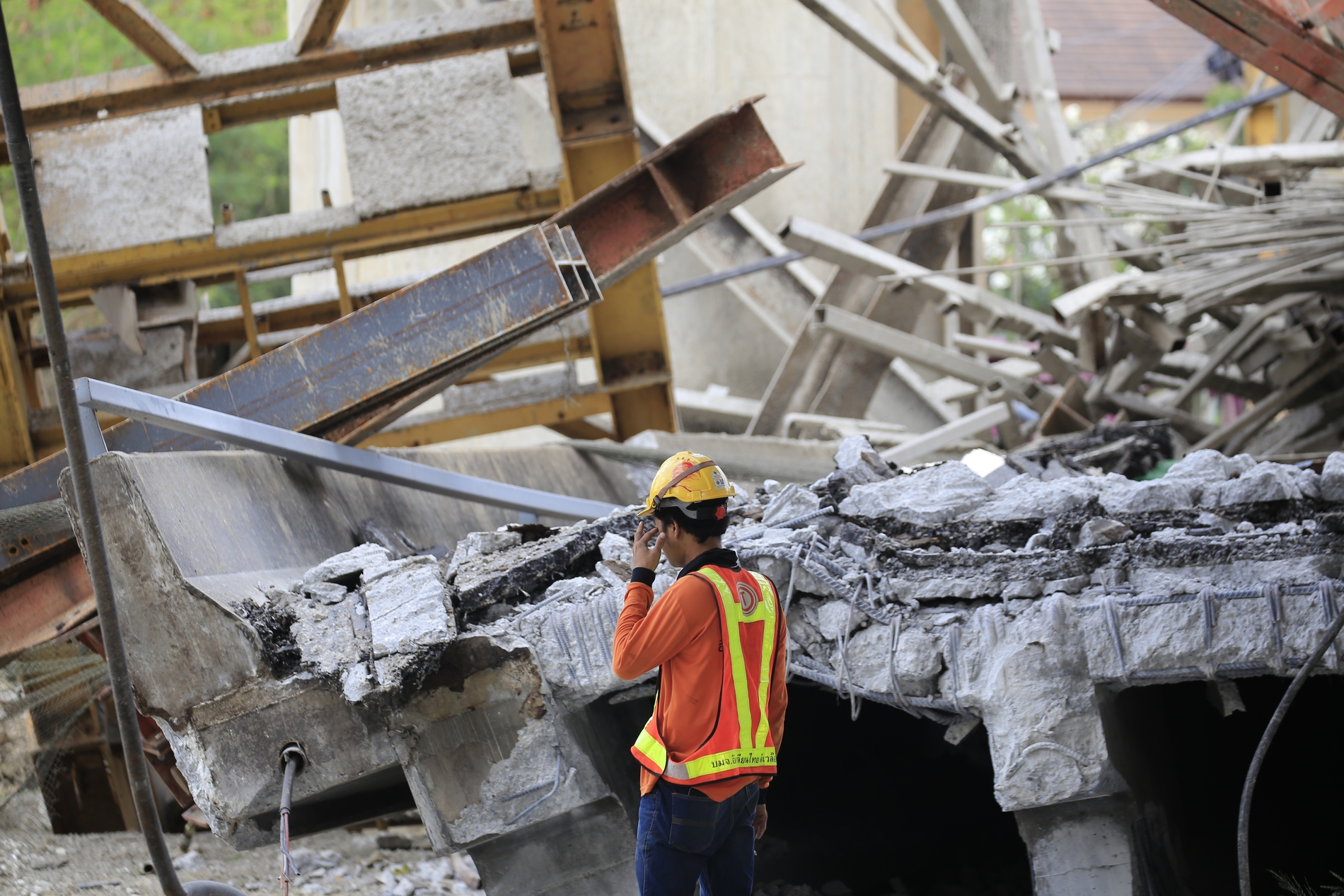
Credit: Shutterstock
A powerful 7.4-magnitude earthquake struck western Colombia on August 10, shaking cities across the country and sending tremors into neighboring Ecuador and Panama.
The earthquake hit at around 7:34 a.m. local time, with its epicentral region in the western department of Chocó. It was the strongest earthquake recorded in Colombia in about a decade, leaving communities dealing with collapsed buildings, damaged infrastructure, injuries, and major disruptions to essential services.
Strong Shaking Across a Wide Area
Although the earthquake was centered in Chocó, the shaking was felt far beyond the immediate area.
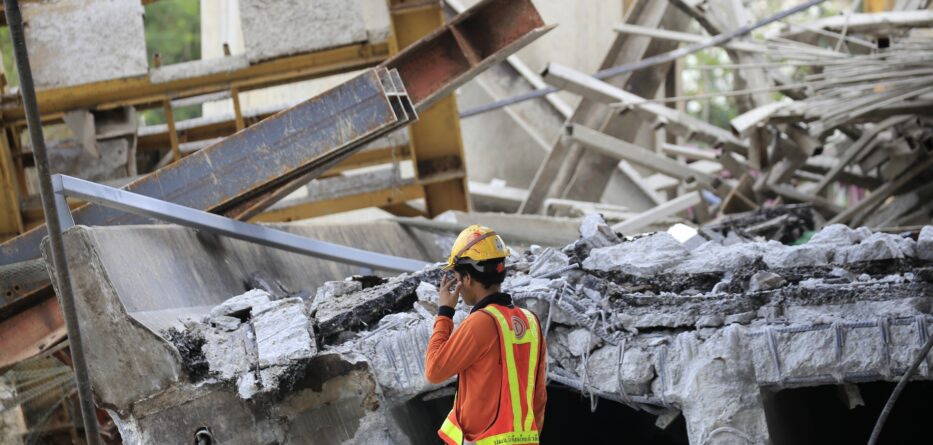
Major cities including Cali and Pereira reported significant damage. Buildings collapsed in some areas, while other structures were left unsafe. Roads and transportation links were also affected, making it harder for emergency teams to reach some communities.
The strength of the earthquake meant that people hundreds of kilometers away could feel the ground moving. Tremors were also reported in neighboring countries, showing just how widely the seismic energy traveled.
In the hours that followed, residents were warned to stay away from damaged buildings as authorities continued assessing the risk from aftershocks.
Colombia Declares a National Emergency
The scale of the destruction quickly turned the earthquake into a national emergency.
The Colombian government mobilized additional personnel and resources to support affected communities. Emergency teams began searching damaged buildings for survivors while authorities worked to understand the full extent of the destruction.
The situation remained particularly difficult in communities where roads, airports, communications, and public services had been disrupted.
For people who had lost their homes or could not safely return to them, temporary shelter became an immediate priority. Officials also introduced additional security measures in some affected cities while rescue and recovery operations continued.
Search and Rescue Efforts Move Quickly
The first few days after a major earthquake are critical, especially when people may still be trapped under collapsed structures.
Search-and-rescue teams were deployed across affected areas, supported by military personnel and emergency workers. Medical teams also worked to treat injured residents and move patients from areas where local healthcare facilities could no longer operate normally.
In Chocó, getting assistance to isolated communities created another challenge. Emergency supplies, medical equipment, food, drinking water, and temporary shelter materials had to be transported into areas where normal infrastructure had been damaged.
International partners also began supporting Colombia’s emergency response as the humanitarian needs became clearer.
Health Services Face Extra Pressure
Earthquakes do not only damage homes and roads. They can also place enormous pressure on hospitals and local clinics at exactly the moment when people need them most.
Damage to healthcare facilities, electricity systems, water supplies, and transportation can make treating injured residents much more difficult.
Emergency medical airlifts and mobile services therefore became an important part of the response. Restoring basic healthcare in affected communities is also essential for people who need regular medication, maternity care, treatment for chronic conditions, or other medical support unrelated to the earthquake.
Recovery Will Take Time
The immediate focus remains on finding survivors, treating the injured, providing shelter, and restoring essential services. After that comes the much longer process of rebuilding homes, roads, healthcare facilities, and other infrastructure.
For many families, recovery will also mean dealing with displacement and the emotional impact of suddenly losing homes or loved ones.
The August 10 earthquake has created a major humanitarian challenge for Colombia. While emergency teams continue working across the affected region, the scale of the damage means communities will likely need sustained national and international support well beyond the initial rescue operation.

-
 On May 12, 2026, Portugal saw a nationwide strike led by the Portuguese Nurses Union (SEP), coinciding with International...
 -
On Sunday, April 5, the world of media and beyond mourned the loss of Ted Turner, the visionary founder...
-
SpaceX signaled a major shift in direction by officially expanding into a dedicated AI division, moving beyond automation tools...
-
Artificial Intelligence is becoming one of the biggest forces shaping healthcare across Europe, and new reports released through UN...
-
NASA’s Artemis II mission has officially completed one of the most significant crewed space missions in modern history. The...
-
On April 1, 2026, NASA successfully launched the Artemis II mission, marking the first crewed flight of the Orion...
-
On March 26, Canada officially reached NATO’s long-standing benchmark of spending 2% of its GDP on defence, a target...
-
A Russian Progress cargo spacecraft launched successfully on March 22, continuing a vital series of missions that keep the...
-
Cities around the world came alive between March 14 and March 17 as St. Patrick’s Day celebrations brought people...
-
A noticeable decline in Canadian travel to the United States is drawing attention across the tourism industry. Recent data...
-
Russia has reportedly lost one of its advanced BMPT “Terminator” armored combat vehicles during the ongoing conflict in Ukraine....
-
Credit: Shutterstock The Winter Games delivered more than high-speed thrills this week as Israel’s history-making bobsleigh team found itself...