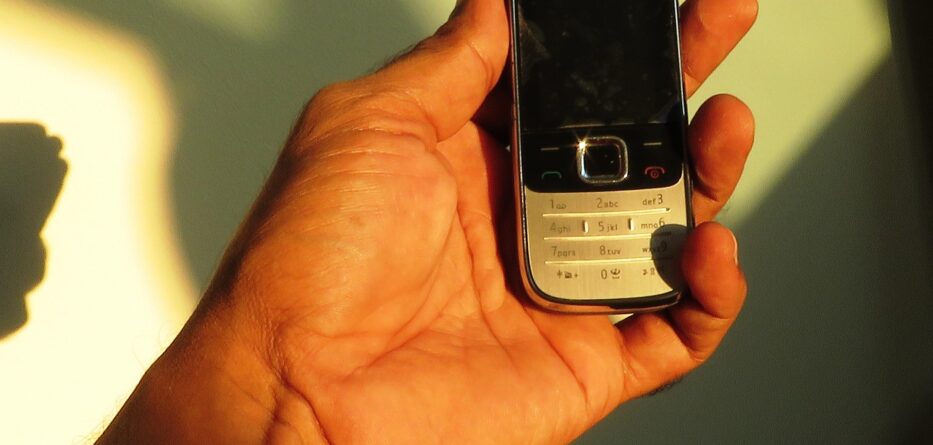

The journey of mobile phones from basic communication devices to AI-powered supercomputers shaping modern society
Mobile phones have come a long way—from bulky bricks with antennas to sleek, AI-powered devices that fit in our pockets. Over the past two decades, smartphones have reshaped the way we communicate, work, shop, and even think. Let’s take a journey through the evolution of mobile phones and how each stage has impacted society.
1. The Early 2000s: Basic Mobile Phones (2000-2006)
Popular Phones: Nokia 3310, Motorola Razr, Sony Ericsson T68i
At the turn of the millennium, mobile phones were still a luxury. They were primarily used for calls and SMS, and features like monochrome screens, physical keypads, and long battery life were the norm.
Impact on Society:
- Basic communication became easier, allowing people to stay in touch without landlines.
- SMS became a quick and cheap alternative to calling.
- Early mobile entertainment emerged with features like the Snake game and customizable ringtones.
However, internet access was limited, and mobile phones were still far from the “smart” devices we know today.
2. The Rise of Feature Phones (2006-2010)
Popular Phones: BlackBerry Curve, Nokia N95, Sony Ericsson Walkman Series
This was the era when phones became more than just calling devices. Phones now had color screens, cameras, music players, and even early internet access via WAP. BlackBerry introduced QWERTY keyboards, making emails and business communication mobile.
Impact on Society:
- Mobile internet allowed people to browse the web, albeit slowly.
- Cameras (around 2-5MP) changed how people captured memories.
- Business mobility improved, as professionals could access emails on the go.
While exciting, internet speeds were slow, and app stores were not yet mainstream.
3. The Birth of the Smartphone Era (2010-2015)
Popular Phones: iPhone 4, Samsung Galaxy S3, HTC One
This period marked the explosion of touchscreen smartphones, led by Apple and Android. The App Store and Google Play Store changed the game, allowing users to download apps for almost everything—games, shopping, banking, and more.
Impact on Society:
- Social media platforms like Facebook, Instagram, and Twitter became easily accessible.
- Mobile photography improved significantly, leading to the rise of selfies.
- Instant messaging apps like WhatsApp and Messenger replaced traditional SMS.
- Online shopping became more convenient, shifting consumer behavior.
However, smartphone addiction and social media pressure also started becoming concerns.
4. The Age of AI & High-Speed Connectivity (2015-2020)
Popular Phones: iPhone X, Samsung Galaxy S10, Google Pixel 4
This era saw the arrival of AI-powered assistants (Siri, Google Assistant), facial recognition, and 5G technology. Phones became faster, smarter, and more powerful than ever before.
Impact on Society:
- Streaming services like Netflix, YouTube, and Spotify replaced traditional TV and music formats.
- Mobile payments such as Apple Pay and Google Pay became widely adopted.
- Smartphone cameras began to rival professional DSLRs with computational photography.
- Cloud computing and mobile apps enabled remote work, transforming workplace dynamics.
However, privacy concerns grew with data tracking and AI-driven advertisements.
5. The Modern Superphones (2020-Present)
Popular Phones: iPhone 15 Pro, Samsung Galaxy S24 Ultra, Google Pixel 8
Today’s smartphones are smarter than ever, featuring AI-powered personalization, foldable screens, satellite communication, and powerful cameras exceeding 100MP. Devices are now ecosystems, syncing seamlessly with smartwatches, AR glasses, and other gadgets.
Impact on Society:
- AI-driven assistants predict user needs, from scheduling to suggesting replies.
- Augmented Reality (AR) is enhancing virtual shopping, gaming, and education.
- Foldable phones and new designs allow for larger screens without sacrificing portability.
- Health tracking has improved, with smartphones monitoring ECG, oxygen levels, and sleep patterns.
However, screen time and digital dependence continue to rise, raising concerns about mental health.
The Future: What’s Next for Smartphones?
As we look ahead, smartphones will likely become even smarter and more integrated into daily life. Possible future advancements include:
- Brain-computer interfaces, allowing users to control phones with thoughts.
- Holographic displays for interactive 3D screens.
- Full AR integration, blurring the lines between the digital and physical worlds.
Final Thoughts: A Double-Edged Sword
From simple communication devices to AI-powered supercomputers, smartphones have changed every aspect of life. They have made the world more connected, convenient, and accessible, but they have also introduced new challenges like screen addiction, privacy concerns, and social pressure.
-
 Artificial intelligence isn’t only living in enormous cloud data centers anymore. At IFA 2026 in Berlin, Anker introduced MindBase,...
 -
September has started with some major developments across the technology world. Google received an important outcome in its long-running...
-
Two very different technology updates are showing where the industry is heading next. Samsung is preparing to expand...
-
The AI race has reached another major milestone. Google’s Gemini app has passed 1 billion monthly active users, making...
-
Nothing appears ready to take a much bigger step in the smartphone market. The company is reportedly considering launching...
-
Apple has introduced a new hardware leasing initiative in the United States, expanding its approach to how customers purchase...
-
Microsoft and 3M have announced a partnership that could change the way AI data centers operate. The collaboration focuses...
-
The tech world is facing another major supply problem, but this time the pressure is coming from artificial intelligence....
-
Google has just announced a major update to its smart home lineup with the launch of the new Google...
-
Apple’s latest announcements have captured the attention of businesses around the world. The introduction of Apple Intelligence, paired with...
-
Huawei has officially launched its latest initiative, the Alliance on Healthcare & Education AI Digitalization 2.0, known as the...
-
Google kicked off its annual I/O developer conference in Mountain View, California, with a major transformation of its product...