Credit: Shutterstock
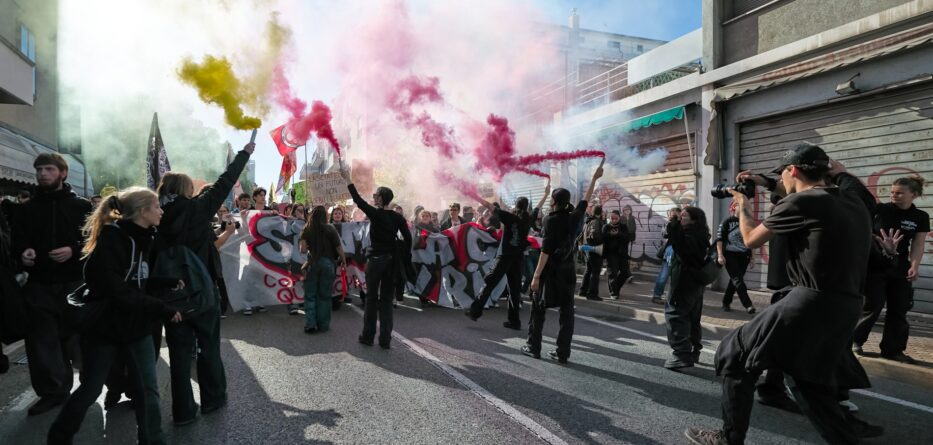
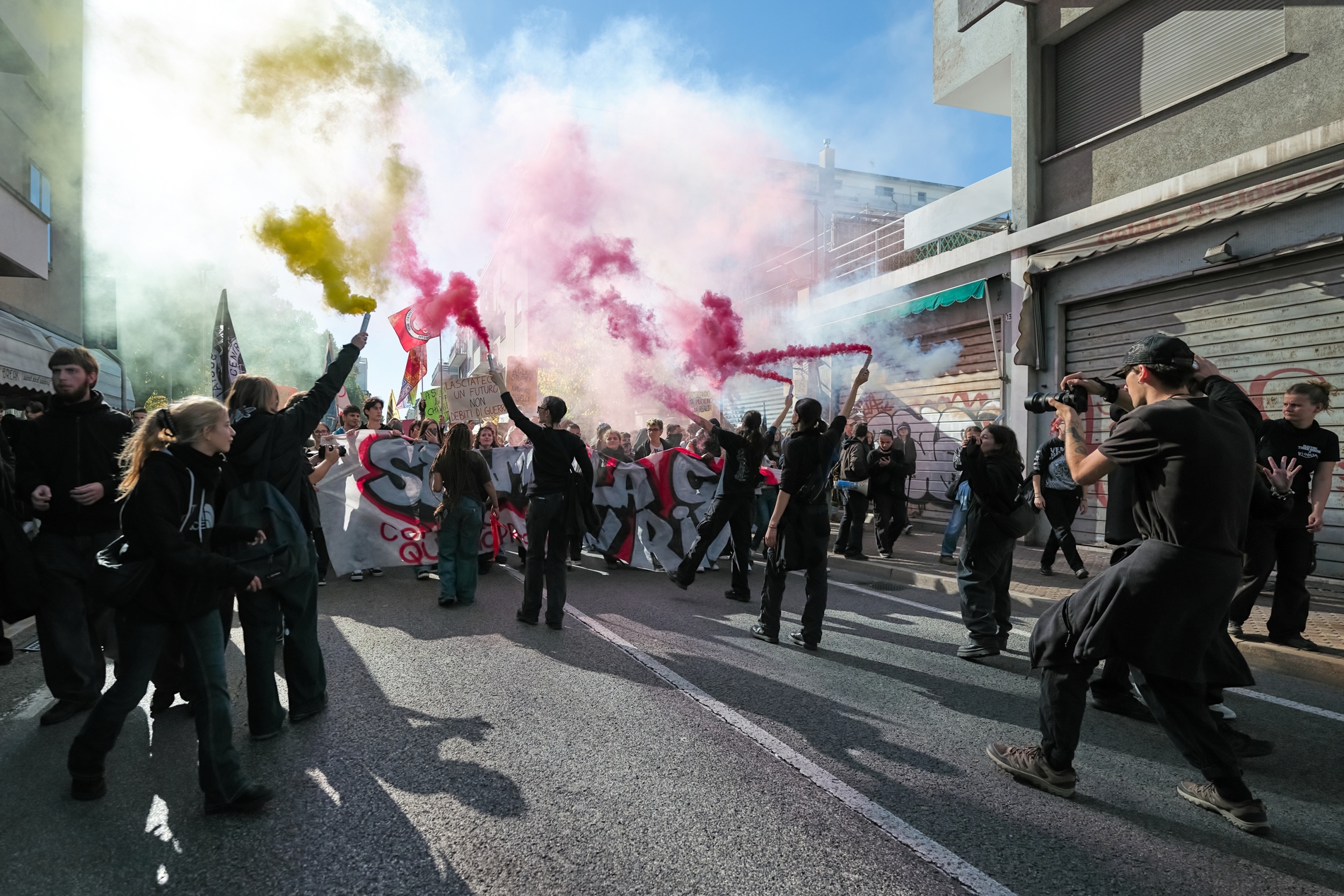
A wave of protests has spread across Europe as citizens demand action on rising living costs, housing shortages, and pressure on public services.
From France and Germany to Italy, Spain, and Portugal, demonstrators have organized marches, strikes, and public gatherings to express frustration with economic conditions.
The demonstrations have gained momentum throughout October and into early November 2026, drawing students, workers, trade unions, and housing activists.
Although the movements have different origins, they share a central concern: everyday expenses are becoming increasingly difficult for many households to manage.
France Becomes the Center of the Protests
France has experienced some of the largest demonstrations, with hundreds of thousands participating in nationwide marches.
The movement initially emerged from student concerns about teacher shortages, overcrowded classrooms, and inadequate school facilities.
However, it quickly expanded to include demands for higher wages, affordable living, and greater investment in public services. On October 17, French authorities estimated that approximately 550,000 people participated in demonstrations across the country.
While most protesters marched peacefully, some demonstrations ended in clashes with police, property damage, and arrests. The French government has announced measures addressing education concerns, but protest organizers argue that broader economic problems remain unresolved.
Germany Faces Widespread Industrial Action
Germany has also experienced growing unrest as workers demand better pay and stronger employment protections.
On November 2, the powerful IG Metall trade union launched warning strikes affecting the country’s metal and electrical engineering industries.
The dispute involves approximately 3.7 million employees. Union representatives are seeking a 5% wage increase, arguing that rising living expenses have reduced workers’ purchasing power. Major manufacturers, including Mercedes-Benz and Audi, have been affected by industrial action.
Thousands of demonstrators also gathered in Berlin and other German cities over the weekend, calling for improvements in education, housing, and public investment.
Italy Sees Strikes Over Wages and Public Spending
In Italy, trade unions have organized demonstrations against living costs, low wages, and government spending priorities.
Workers have demanded stronger protections against inflation and greater investment in healthcare, education, and essential services.
Transport strikes have disrupted rail and aviation services, while demonstrations have taken place in major cities. Some unions have also criticized increased military expenditure, arguing that governments should prioritize household affordability.
Although most demonstrations have remained peaceful, isolated incidents of violence have raised security concerns.
Housing Costs Drive Anger in Spain and Portugal
Housing affordability has become a particularly important issue in Spain and Portugal.
In Spain, protesters have demanded stronger tenant protections and measures to address rising rents.
The eviction of an elderly woman from her longtime Madrid home became a symbol of wider concerns about housing insecurity. Demonstrations and protest camps have appeared in several Spanish cities.
Portugal has experienced similar unrest, with protesters gathering in Lisbon and Porto to demand affordable housing, improved wages, and better public services. Activists argue that housing prices have increased much faster than many people’s incomes, making independent living increasingly difficult.
Young People Take a Leading Role
One striking feature of the protests is the involvement of younger generations.
Students and young workers have expressed concern about their ability to afford housing, find secure employment, and build financially stable futures.
Social media has helped spread information about demonstrations and connect activists across national borders.
Although the protests are not part of one centrally organized European movement, similar economic concerns have encouraged participation in several countries.
Teachers, parents, and trade unions have also joined young demonstrators, broadening the movements beyond student activism.
Governments Face Growing Economic Pressure
European governments are struggling to balance demands for increased public spending with budget limitations and slower economic growth.
Higher energy costs, housing shortages, and pressure on public finances have complicated efforts to improve affordability.
Some governments have proposed education reforms, wage negotiations, or housing measures.
However, protesters argue that existing responses have not adequately addressed their concerns.
The demonstrations are also increasing political pressure ahead of upcoming national elections in several European countries.
What Happens Next?
Further strikes and demonstrations are expected as unions and activist groups continue pressing for changes.
In France, unions have called for additional industrial action, while Italian and Spanish organizations are preparing further protests.
Governments must now decide how to respond to demands for higher wages, affordable housing, and stronger public services.
The protests highlight a broader challenge facing Europe: economic stability means little to households that struggle to afford everyday necessities.
As demonstrations continue, the central question is whether political leaders can address these concerns before public frustration grows further.
-
 South African jurist and former United Nations human rights chief Navi Pillay has been awarded the 2026 Nobel Peace Prize...
-
A Flydubai passenger flight traveling from Dubai to Tel Aviv was forced to make an emergency landing in Saudi...
-
The 81st United Nations General Assembly brought another intense week of international diplomacy to New York, with world leaders...
-
Voters in the southern Philippines have taken part in a historic election that could shape the future of one...
-
The 18th BRICS Summit concluded in New Delhi on September 13 after two days of discussions involving some of...
-
The scale of the disaster unfolding across the Himalayas has become clearer, and the numbers are devastating. By September...
-
Severe weather has caused serious disruption across parts of Western Europe and Asia, with communities in Germany and China...
-
Singapore’s death penalty policies are once again under international attention. On August 18, independent United Nations human rights experts...
-
A powerful 7.4-magnitude earthquake struck western Colombia on August 10, shaking cities across the country and sending tremors into...
-
The United Kingdom’s AI Safety and Security Institute has released new evaluation findings examining how advanced artificial intelligence models...
-
A powerful heatwave sweeping across Western Europe has triggered one of the most serious wildfire emergencies in recent years....
-
On July 20, federal authorities in the United States handed down a life sentence to Ismael “El Mayo” Zambada,...