Credit: Shutterstock
The Trump administration has signaled a willingness to pursue renewed negotiations with Iran through Qatari mediators, even as military activity and attacks on commercial shipping raise fears of another escalation in the Middle East.
Diplomatic efforts remain underway in Doha, where Qatari officials have been working to bridge differences between Washington and Tehran.
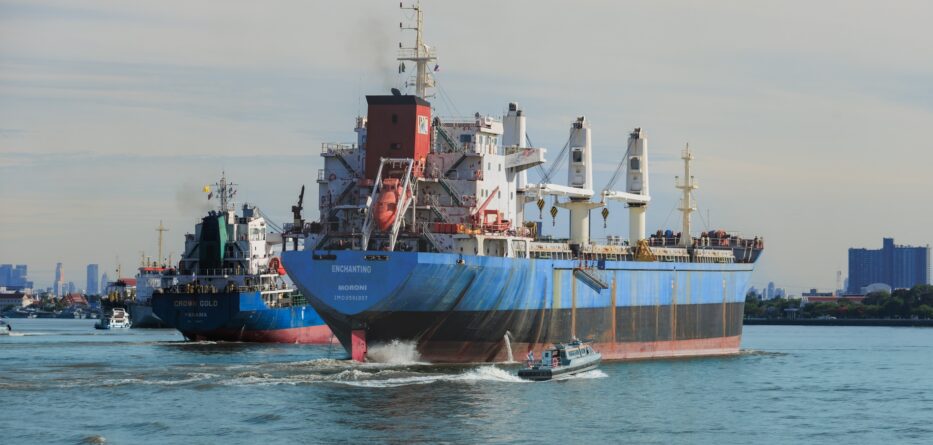
The negotiations come amid growing concerns about maritime security in the Strait of Hormuz, one of the world’s most important routes for international oil and gas shipments.
Washington Keeps Diplomatic Options Open
President Donald Trump’s administration has expressed interest in reaching an agreement that could reduce military tensions and restore safer navigation through the Gulf.
Vice President JD Vance has indicated optimism about the possibility of a negotiated settlement, while Secretary of State Marco Rubio has emphasized Washington’s preference for diplomacy.
However, American officials have also maintained that any agreement must address security concerns and restrictions affecting commercial shipping.
The administration’s position reflects an effort to pursue negotiations while maintaining military pressure on Iran.
Qatar Emerges as a Key Mediator
Qatar has taken a central role in facilitating indirect communication between the United States and Iran.
Iranian negotiators held several days of discussions with Qatari mediators in Doha, examining proposals aimed at reducing hostilities and reopening the Strait of Hormuz.
The talks have involved exchanges of proposals and messages between the two governments rather than direct negotiations.
Qatar’s diplomatic relationships with both countries make it an important intermediary during periods of heightened tension. Although discussions have continued, no final agreement has been announced.
Maritime Incidents Raise Regional Concerns
The diplomatic efforts have been complicated by incidents involving commercial vessels and military operations in the Gulf.
On November 1, Qatar condemned an attack on the Al Mayeda, a liquefied natural gas carrier owned by Nakilat.
Qatari authorities described the incident as a serious threat to maritime navigation and global energy security. The government also announced an investigation into the attack, emphasizing the need to identify those responsible. The incident highlighted the vulnerability of commercial vessels operating near areas affected by military confrontation.
US Military Strikes Add to Tensions
Military activity has continued alongside diplomatic negotiations. American forces conducted limited strikes against Iranian targets near the Strait of Hormuz in early November. According to US officials, the operations targeted threats to American military assets, including surface-to-air missile positions.
Iran condemned the strikes and warned that further military action could provoke retaliation.
The developments have raised concerns that renewed fighting could undermine negotiations before an agreement is reached. Regional governments have urged both sides to avoid actions that could expand the conflict.
Strait of Hormuz Remains Central to Negotiations
The Strait of Hormuz is a major focus of the diplomatic discussions. The narrow waterway connects the Persian Gulf to international shipping routes and plays an essential role in transporting oil and liquefied natural gas. Disruptions to maritime traffic can affect energy prices, shipping costs, and international supply chains.
Iran has called for the removal of American restrictions on its oil exports and an end to the US naval blockade. Washington, meanwhile, wants secure navigation and an agreement that addresses broader security concerns.
Iranian officials have suggested that the strait could reopen within two days of a suitable agreement, although the proposed conditions remain disputed.
Regional Powers Push for De-escalation
Other Middle Eastern governments have also increased diplomatic efforts to prevent renewed conflict.
Qatar has coordinated discussions with regional partners, while Oman and Pakistan have participated in broader efforts to encourage dialogue.
Gulf countries are particularly concerned about the possibility of attacks on energy infrastructure, ports, and shipping routes. The economic consequences of prolonged disruption could extend far beyond the region.
For energy-importing countries, uncertainty surrounding the Strait of Hormuz creates additional pressure on fuel costs and trade.
Negotiations Face Significant Obstacles
Despite diplomatic activity, important differences remain between Washington and Tehran. Iran is seeking sanctions relief, access to frozen funds, and guarantees against further military action.
The United States continues to demand security assurances and changes that would allow commercial shipping to resume safely.
Questions surrounding Iran’s nuclear program and the terms of any broader settlement have also complicated discussions. Both governments have indicated that diplomacy remains possible, but neither has accepted a comprehensive agreement.
What Happens Next?
The coming days could prove important for diplomatic efforts in Doha. Qatari mediators are continuing to explore proposals that could reduce military tensions and restore maritime access.
However, further attacks or military operations could weaken confidence and make negotiations more difficult. For international markets, the immediate concern is whether commercial shipping can operate safely through the Strait of Hormuz. For regional governments, the priority is preventing another major confrontation.
The situation demonstrates how closely diplomacy, maritime security, and global economic stability are connected. While negotiations offer a possible path toward de-escalation, a lasting settlement will depend on whether Washington and Tehran can reach an agreement that both sides are prepared to implement.
-
 With less than two weeks remaining before the November 3, 2026, midterm elections, political campaigns across the United States...
-
The 2026 Nobel Prize announcements celebrated remarkable achievements in science and literature, recognizing researchers who helped solve a longstanding...
-
The U.S. Treasury Department launched a major financial enforcement action on October 1 targeting the A7 Network, a Russia-linked...
-
U.S. President Donald Trump hosted Chinese President Xi Jinping in Washington from September 23 to 25 for a three-day...
-
Wildland firefighters across the United States are facing another demanding fire season, with federal agencies operating at Preparedness Level...
-
A quarter of a century has now passed since September 11, 2001. On September 11, 2026, Americans marked the...
-
The H-1B visa program is back at the center of the U.S. immigration and employment debate. A presidential proclamation...
-
The United States and Venezuela have entered a sweeping energy agreement that could reshape the relationship between the two...
-
The United States has temporarily stepped back from imposing new 50% tariffs on around $20 billion worth of Canadian...
-
The Boeing 737 MAX is facing another round of regulatory attention in the United States. The Federal Aviation Administration...
-
Federal authorities have launched investigations into a series of cyber intrusions targeting municipal water treatment facilities across several U.S....
-
The United States has announced plans to introduce a 50% tariff on approximately $20 billion worth of Canadian imports,...