Credit: Shutterstock
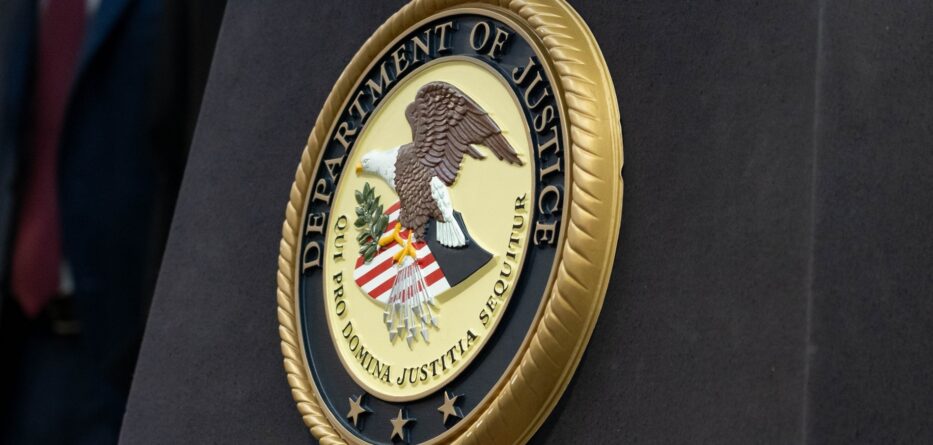
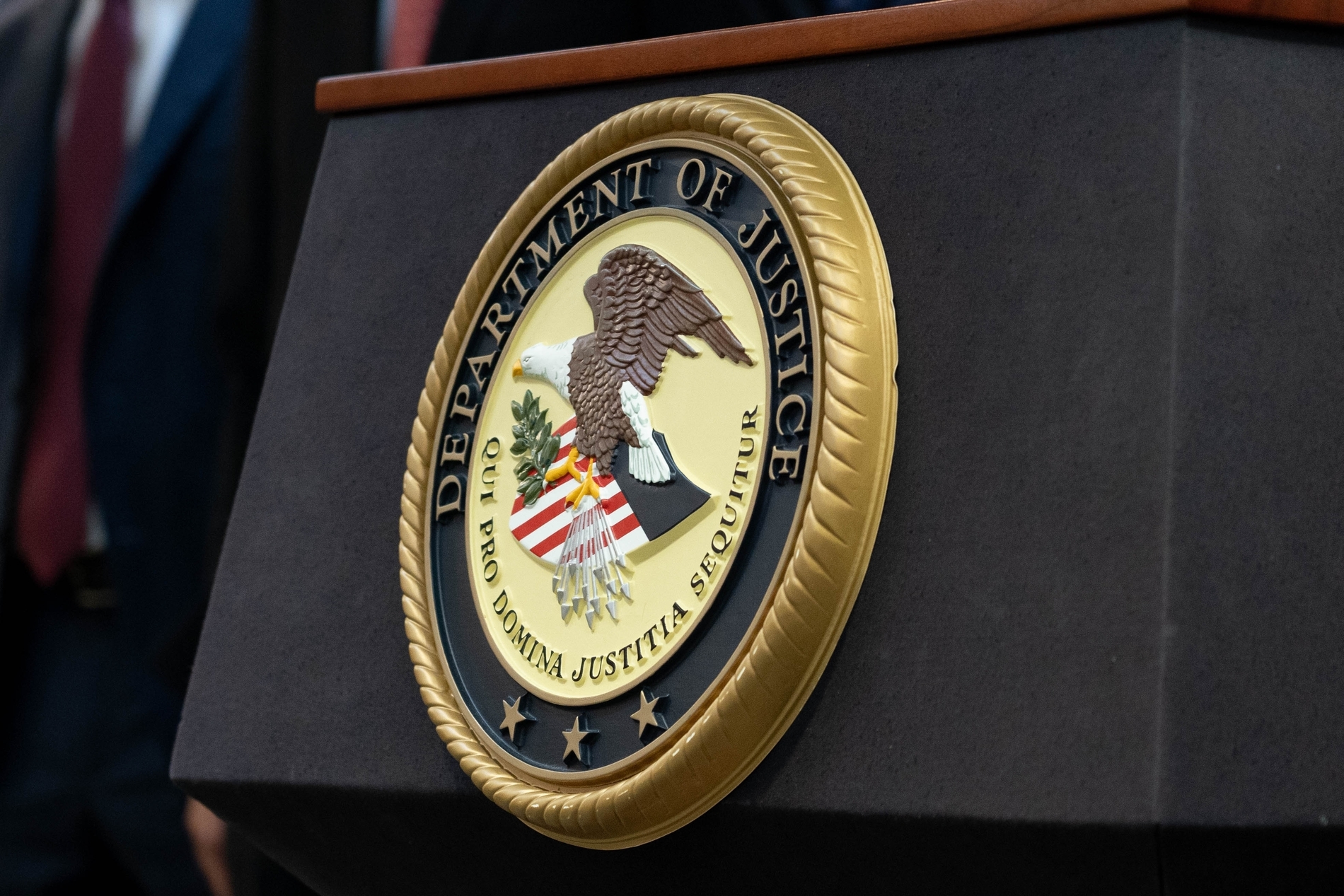
A federal appeals court has rejected an emergency request from the U.S. Department of Justice (DOJ) to prevent California from counting mail-in ballots associated with more than 20,000 registered voters whose citizenship status the Trump administration has questioned.
The October 26, 2026, decision comes just days before the November 3 midterm elections, adding another legal dispute to an increasingly intense election season.
Although the ruling represents a setback for the administration, the broader lawsuit remains unresolved.
Federal Appeals Court Rejects Emergency Request
The U.S. Court of Appeals for the Ninth Circuit ruled 2–1 against the Justice Department’s request to immediately intervene in California’s ballot-counting process. Federal officials wanted election administrators to separate ballots associated with voters identified as potentially ineligible until their citizenship could be verified.
However, the appeals court concluded that the department had approached it prematurely, before the federal district court had an adequate opportunity to consider the request. The decision did not settle the underlying question of voter eligibility or determine whether the government’s allegations were accurate.
Instead, it allowed California’s existing election procedures to continue while the legal dispute progressed.
DOJ Raises Concerns About Voter Eligibility
The Justice Department filed its lawsuit on October 15, arguing that California had failed to adequately address information identifying more than 20,000 registered voters as possible noncitizens.
Federal law prohibits noncitizens from voting in federal elections. The administration maintained that additional verification was necessary to protect election integrity and prevent potentially unlawful ballots from being counted.
Its proposed measures included identifying affected voters, separating their ballots, and confirming citizenship before those votes could be included in election totals.
However, the department had not established that all individuals on its list were noncitizens or that they had cast unlawful ballots.
California Challenges Federal Intervention
California officials strongly opposed the Justice Department’s demands.
State representatives questioned the reliability of the federal government’s information and warned that implementing the proposed measures could prevent eligible citizens from having their votes counted.
A preliminary review conducted by Los Angeles County officials also raised concerns about the accuracy of the list. Some records corresponded to inactive or canceled registrations, while others involved individuals who reported being born in the United States.
California argued that making major changes to election procedures after voting had already begun could create confusion and unnecessary disruption.
Judge Questions Timing of the Lawsuit
U.S. District Judge David O. Carter held a hearing in Los Angeles to consider the department’s request for a temporary restraining order.
During the proceedings, Carter expressed concerns about the timing and potential consequences of the proposed intervention. He questioned whether introducing new ballot-processing requirements so close to Election Day could disrupt the state’s established procedures.
The judge also indicated that he intended to appoint an independent special master to examine how the Justice Department developed its list of potentially ineligible voters.
As of October 28, Carter had not issued a final ruling on the emergency request.
Midterm Elections Increase Political Pressure
The dispute comes as Republicans and Democrats intensify campaigning ahead of the November 3 midterm elections.
Control of both chambers of Congress is at stake, making election administration and voter participation especially important political issues.
The Trump administration has emphasized citizenship verification and stronger safeguards against unlawful voting.
Democratic officials and voting-rights advocates have raised concerns that broad verification demands could incorrectly identify eligible voters and interfere with their ability to participate.
The California lawsuit reflects a wider disagreement over how election security measures should be implemented and which levels of government should oversee them.
A Larger Debate Over Election Authority
The case also raises constitutional questions about the relationship between federal and state governments.
Under the U.S. Constitution, states generally administer elections, subject to federal laws and congressional authority.
The Justice Department argues that federal intervention is justified when potential violations of voting laws are identified.
California maintains that federal officials cannot simply impose new election procedures without sufficient legal justification.
The outcome could influence future disputes involving voter registration databases, citizenship verification, and ballot-counting requirements.
What Happens Next?
The immediate appeals court ruling means California has not been required to implement the Justice Department’s proposed ballot restrictions.
However, the underlying lawsuit remains active, and further court decisions could affect how the dispute proceeds.
Election officials must continue preparing for November 3 while addressing legal challenges and maintaining public confidence in the voting process.
The central issue extends beyond California: how can election authorities investigate potential irregularities while ensuring that eligible voters are not mistakenly excluded?
As the midterm elections approach, the courts will remain an important part of the national debate over election security, voting rights, and the limits of federal authority.

-
 The U.S. Treasury Department launched a major financial enforcement action on October 1 targeting the A7 Network, a Russia-linked...
-
U.S. President Donald Trump hosted Chinese President Xi Jinping in Washington from September 23 to 25 for a three-day...
-
Wildland firefighters across the United States are facing another demanding fire season, with federal agencies operating at Preparedness Level...
-
A quarter of a century has now passed since September 11, 2001. On September 11, 2026, Americans marked the...
-
The H-1B visa program is back at the center of the U.S. immigration and employment debate. A presidential proclamation...
-
The United States and Venezuela have entered a sweeping energy agreement that could reshape the relationship between the two...
-
The United States has temporarily stepped back from imposing new 50% tariffs on around $20 billion worth of Canadian...
-
The Boeing 737 MAX is facing another round of regulatory attention in the United States. The Federal Aviation Administration...
-
Federal authorities have launched investigations into a series of cyber intrusions targeting municipal water treatment facilities across several U.S....
-
The United States has announced plans to introduce a 50% tariff on approximately $20 billion worth of Canadian imports,...
-
Recent court documents released on July 20 show that federal investigators sought phone records belonging to several New York...
-
Washington entered a period of transition following the death of Republican Senator Lindsey Graham on Saturday, July 11. Graham,...