
Justice reform or political theater?
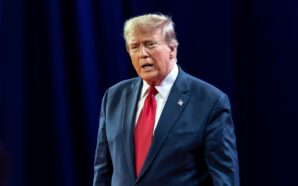
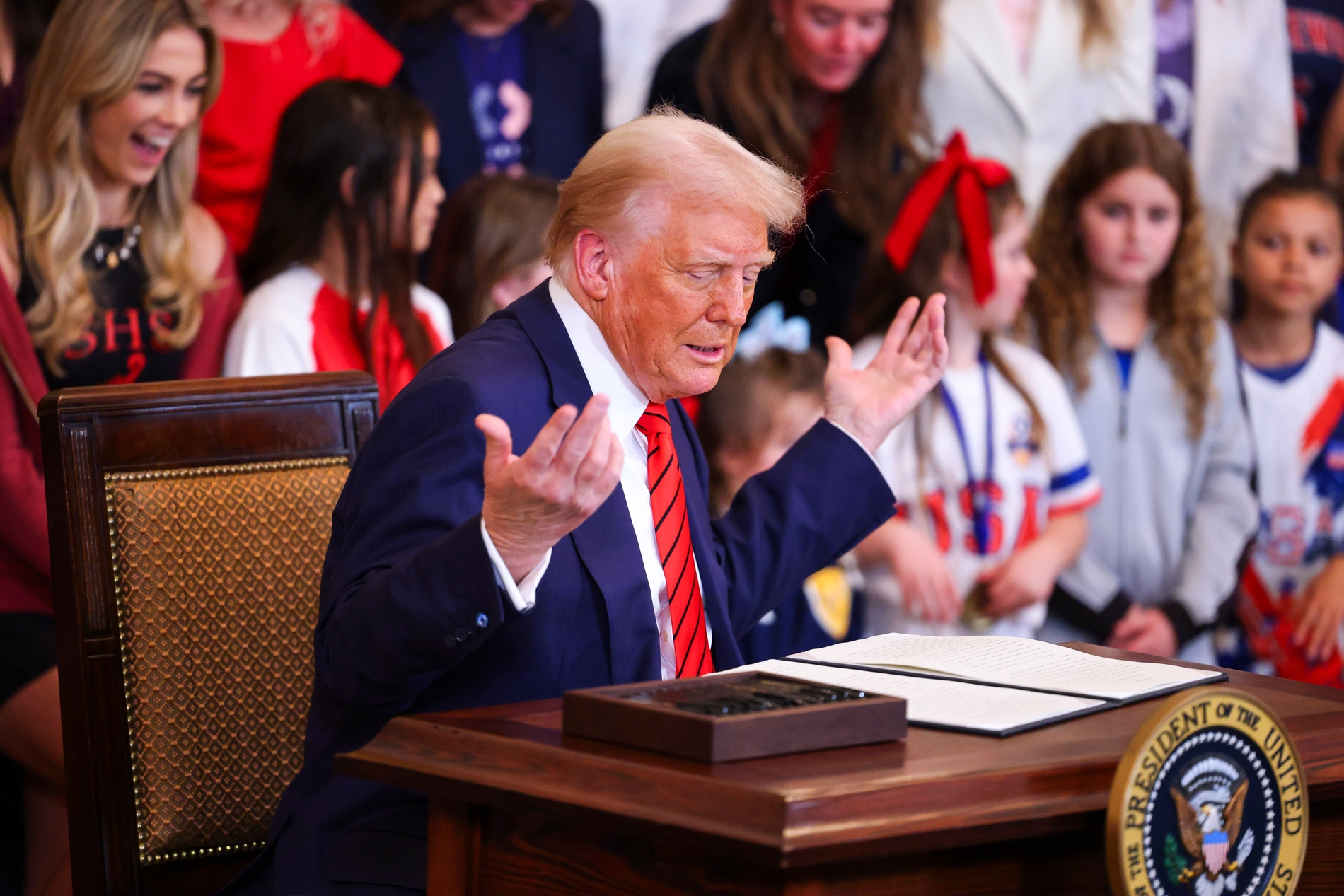
President Trump has never shied away from bold moves, and his latest executive orders prove it. On August 25, he signed two measures that have already set off a firestorm: one aimed at ending cashless bail and another at criminalizing flag burning. Supporters call them long overdue. Critics call them unconstitutional power grabs.
Cracking down on cashless bail
Cashless bail was meant to make the system fairer, allowing people charged with crimes to go home while awaiting trial without having to pay money they often couldn’t afford. Cities like New York and Washington, D.C. pushed this as a way to reduce racial and economic inequality.
Trump sees it differently. His new order threatens to pull federal funding from jurisdictions that keep cashless bail in place, arguing that it puts violent offenders back on the street. The Justice Department has even been instructed to prioritize detention in the nation’s capital, effectively nationalizing pretrial custody.
Critics warn this move punishes poor communities most, turning freedom before trial into something you buy rather than something you’re entitled to.
A war on flag burning
The second order might be even more explosive. Trump directed federal prosecutors to go after anyone who burns the American flag, something the Supreme Court has protected as free speech since the late 1980s. The order goes further, telling immigration officials to revoke visas or even deport immigrants caught desecrating the flag.
For Trump, this is about patriotism and respect. For opponents, it’s a direct attack on the First Amendment. Legal scholars are already predicting a court showdown that could force the Supreme Court to revisit one of its landmark free speech decisions.
What this really means
These orders are about more than bail or flags. They’re about raw political power. By bypassing Congress and throwing down executive orders, Trump is daring courts and states to stop him. It’s a high-risk strategy: if the courts strike these down, it’s another clash that shows the limits of executive authority. If they survive, it could rewrite the balance between federal power and individual rights.
Bottom line
To Trump’s supporters, this is toughness. To his critics, it’s a dangerous overreach. But either way, these moves guarantee months of legal battles and a new round of culture wars. What’s certain is that these orders aren’t just about crime or patriotism, they’re about defining the limits of freedom in America.

-
 The United States has temporarily stepped back from imposing new 50% tariffs on around $20 billion worth of Canadian...
 -
The Boeing 737 MAX is facing another round of regulatory attention in the United States. The Federal Aviation Administration...
-
Federal authorities have launched investigations into a series of cyber intrusions targeting municipal water treatment facilities across several U.S....
-
The United States has announced plans to introduce a 50% tariff on approximately $20 billion worth of Canadian imports,...
-
Recent court documents released on July 20 show that federal investigators sought phone records belonging to several New York...
-
Washington entered a period of transition following the death of Republican Senator Lindsey Graham on Saturday, July 11. Graham,...
-
Following a tense weekend in the Strait of Hormuz, the U.S. carried out a significant wave of airstrikes targeting...
-
Things in the Middle East have taken another sharp turn. A recently mediated ceasefire between the U.S. and Iran...
-
How Many Policies Actually HELPED Americans? A year into his second term, President Trump made a lot of promises...
-
In a surprising move that has captured attention across the tech world, the U.S. government has ordered Anthropic to...
-
Election season always brings strong opinions, and this year’s California primary elections were no exception. Following several closely watched...
-
On Tuesday, the White House introduced a major update to cybersecurity regulations targeting the protection of advanced artificial intelligence...