

Trump’s trade measures are unexpectedly easing price pressures—for now—before a likely rebound in inflation later this year.
In an unexpected twist, former President Donald Trump’s sweeping tariffs may be doing something few predicted: helping to cool inflation—at least for now.
Economists and market watchers are keeping a close eye on this week’s consumer price index (CPI) report, and some of the credit for a gentler inflation reading might just go to Trump’s trade tactics. While tariffs are typically known to drive prices up by increasing import costs, they’re currently playing a surprising role in pulling inflation down. How? By dampening global growth, discouraging spending, and softening oil prices, among other ripple effects.
A Short-Term Cooling Effect
“Believe it or not, tariffs are helping reduce inflation—temporarily,” says Ryan Sweet, chief U.S. economist at Oxford Economics. “They’ve sparked recession fears globally, which in turn are cutting into consumer spending and demand, especially for services.”
That cooling is already showing up in the numbers. In March, overall inflation dropped to 2.4%, the lowest level in five months. Core inflation—which excludes the more volatile food and energy categories—fell to 2.8%, a number we haven’t seen since early 2021. Monthly inflation was essentially flat, a rare sight in today’s economy.
Part of the slowdown was expected due to “base effects”—prices were surging last year, making current numbers look more moderate by comparison. But tariffs seem to be adding another layer to the inflation pause.
Oil, Gas, and Travel Prices Slide
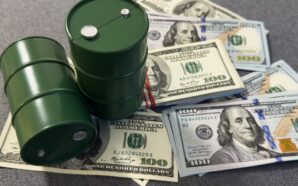
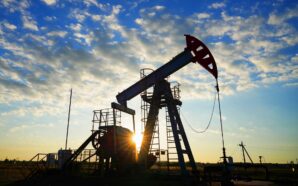
Among the biggest inflation coolers: oil and gasoline. Trump’s new wave of tariffs in early April stoked fears of a slowdown in global trade, dragging U.S. oil prices down from $80 a barrel in January to around $60. That, paired with OPEC’s decision to boost production, has led to a significant drop in gas prices—down 6.3% in March and estimated to dip again slightly in April.
Travel has also gotten cheaper. Fewer international tourists, particularly from Canada, and softening demand from Americans cutting back on big-ticket items like vacations have led airlines to slash fares. Jet fuel, now less expensive due to the oil drop, is giving carriers even more reason to offer deals. Airline ticket prices have fallen steadily since February and are estimated to be down another 2% in April—a rare sight ahead of the busy summer season.
Even hotel rates are easing, a trend that economists say could continue if the global economic outlook remains shaky.
Stock Market Ripples and Service Fees
Trump’s tariff announcements also rattled financial markets, with the S&P 500 falling roughly 8% from its February high. This matters because many investment management fees are tied to total portfolio values—so when markets drop, those fees shrink, too.
While this may not move the needle much in the CPI, it has a bigger impact on another key inflation measure: the Fed’s preferred personal consumption expenditures (PCE) price index. And with the Federal Reserve already under pressure to cut interest rates, any inflation slowdown, however brief, could complicate their stance.
A Temporary Win Before the Storm?
It’s not all good news, though. The current inflation breather may just be the calm before the storm. Economists warn that while tariffs are helping lower some prices now, their full inflationary impact is likely to kick in by summer.
Sweet predicts prices for used cars and other goods will begin rising as early as June, with core inflation climbing back to around 4% by the end of the year. Barclays economist Pooja Sriram sees that trend beginning in July.
“The inflation numbers are going to look good in April and possibly May,” Sweet notes. “But the boost to inflation from tariffs is coming.”
So, while Americans may enjoy a short-lived break in price hikes—from cheaper gas to discounted airfare—those savings could soon evaporate as businesses begin passing on higher costs from tariffs to consumers.
Trump’s tariffs are doing the unthinkable: giving inflation a time-out. But don’t expect it to last. The same measures cooling prices today may fuel a hotter economy tomorrow.
-
 Oil prices jumped sharply on August 10 as uncertainty surrounding shipping through the Strait of Hormuz returned to the...
-
The first week of August brought a fresh wave of attention to India’s economy. The Reserve Bank of India...
-
Global financial markets experienced fresh movement as oil prices climbed, Treasury yields shifted, and investors looked for stability following...
-
South Korea took swift action on July 21 to address recent volatility in its currency markets. The Korean Won...
-
The Bank of Canada (BoC) has decided to keep its benchmark overnight interest rate steady at 2.25% for the...
-
The U.S. dollar surged in early July as investors sought safety amid ongoing geopolitical tensions in the Gulf. The...
-
As the United States prepares to celebrate Independence Day, financial markets take a pause. In 2026, the holiday falls...
-
The Japanese yen has fallen to its weakest level against the U.S. dollar in nearly four decades, marking a...
-
Global stock markets experienced a wave of optimism following the announcement of a diplomatic breakthrough aimed at stabilizing key...
-
For months, many investors hoped inflation would continue cooling and open the door for interest rate cuts from the...
-
Wednesday marked a significant day in the financial and private equity sectors, as two major events captured attention across...
-
Mid-week, the spotlight shifted to regulation as the U.S. Senate moved forward with a pivotal vote on digital assets....