

Apple’s AI Reset: Siri Overhaul Rumors Heat Up

Partnerships, smarter on-device features, and a major shift in Apple’s AI strategy
Siri

Credit: Shutterstock

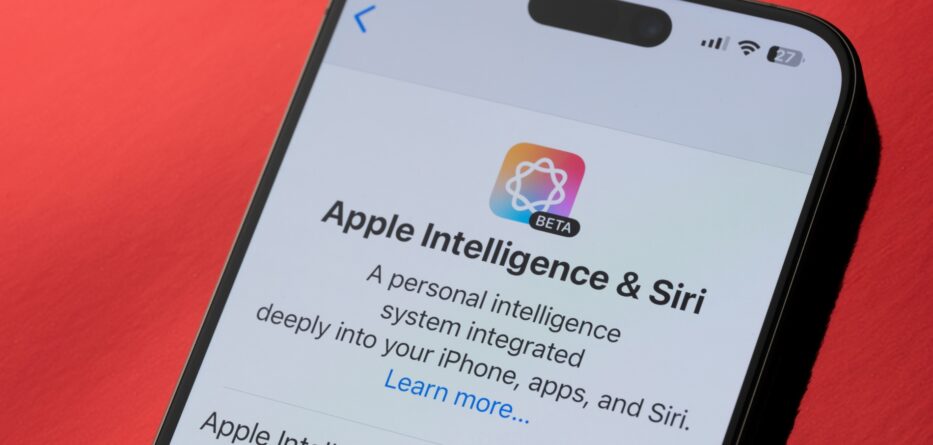
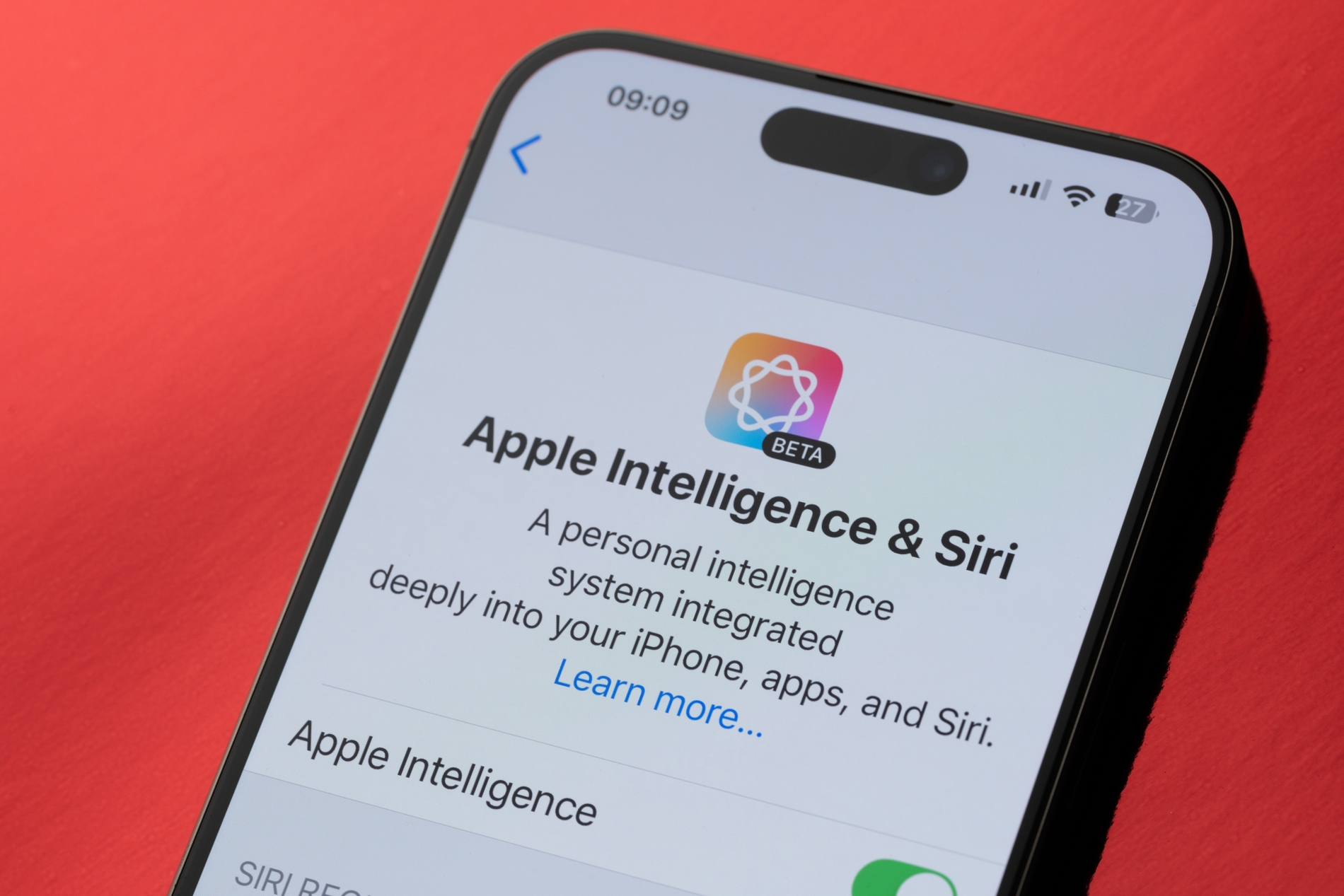
Apple’s AI story is quickly becoming one of the biggest tech conversations of the year. Fresh reports throughout the week suggest the company is moving much faster on its Siri overhaul, and the biggest headline is clear: Apple appears to be leaning more heavily into strategic AI partnerships instead of trying to build every layer itself.

This could be one of the most important shifts in Apple’s software strategy in years.

A Deeper Google Gemini Partnership

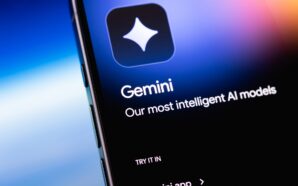
The strongest reports point to a growing collaboration between Apple Inc. and Google LLC around Google Gemini.

Recent coverage indicates that Apple’s next-generation Siri may use Gemini-powered models as part of its core intelligence stack. This follows the multi-year agreement announced earlier this year, under which Apple’s future foundation models are expected to incorporate Gemini technology and cloud infrastructure.

That is a major shift from Apple’s long-standing preference for fully in-house systems.

Instead of competing directly on raw model scale right now, Apple seems to be focusing on what it does best: hardware integration, privacy layers, and user experience.

Siri Is Expected to Become More “Agentic”

One of the biggest rumors is that Siri is moving beyond voice commands into something much closer to an intelligent system assistant.

Leaks suggest the new Siri may function as a systemwide AI agent, capable of interacting more deeply with apps, messages, notes, email, calendars, and other device activity.

This means Siri may be able to do more than answer questions.

It could potentially:

  • complete multi-step tasks
  • summarize information across apps
  • take action inside third-party applications
  • use personal context more intelligently
  • route requests to different AI systems depending on the task

That is where the term “agentic” becomes important. The idea is less assistant, more action-oriented intelligence.

On-Device Intelligence Still Matters

Even with third-party AI collaboration, Apple still appears heavily focused on privacy and local processing.

Reports suggest enhanced on-device capabilities remain central to the redesign, with Apple using its own hardware optimization and Private Cloud Compute systems to preserve data privacy wherever possible.

This is likely where Apple will try to differentiate itself from competitors.

While others may focus on the most powerful cloud AI, Apple’s edge may come from making AI feel deeply integrated into the device without compromising user trust.

Why This Strategy Matters

For years, Apple has been viewed as moving more slowly than rivals like OpenAI, Google, and Microsoft in the AI race.

These new reports suggest the company is no longer trying to win by doing everything alone.

Instead, it is shifting toward a platform model:

  • Apple builds the interface
  • Apple controls the ecosystem
  • partner models provide advanced intelligence

That approach could actually be very effective because Apple already owns the user touchpoint through the iPhone, iPad, Mac, and Siri itself.

Final Thoughts

This week’s rumors make one thing clear: Apple’s AI strategy is becoming far more pragmatic.

Rather than treating AI as a pure in-house race, the company seems focused on building the best user-facing experience through a mix of partnerships, device intelligence, and deep software integration.

If these leaks are accurate, the next Siri update could be the biggest transformation the assistant has seen since its original launch.