Trump’s Latest Tariff Hike Could Send iPhone Prices Soaring
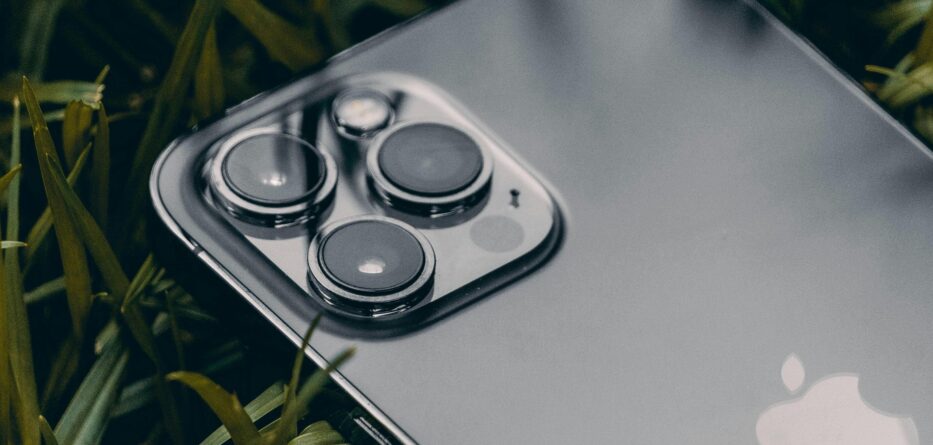
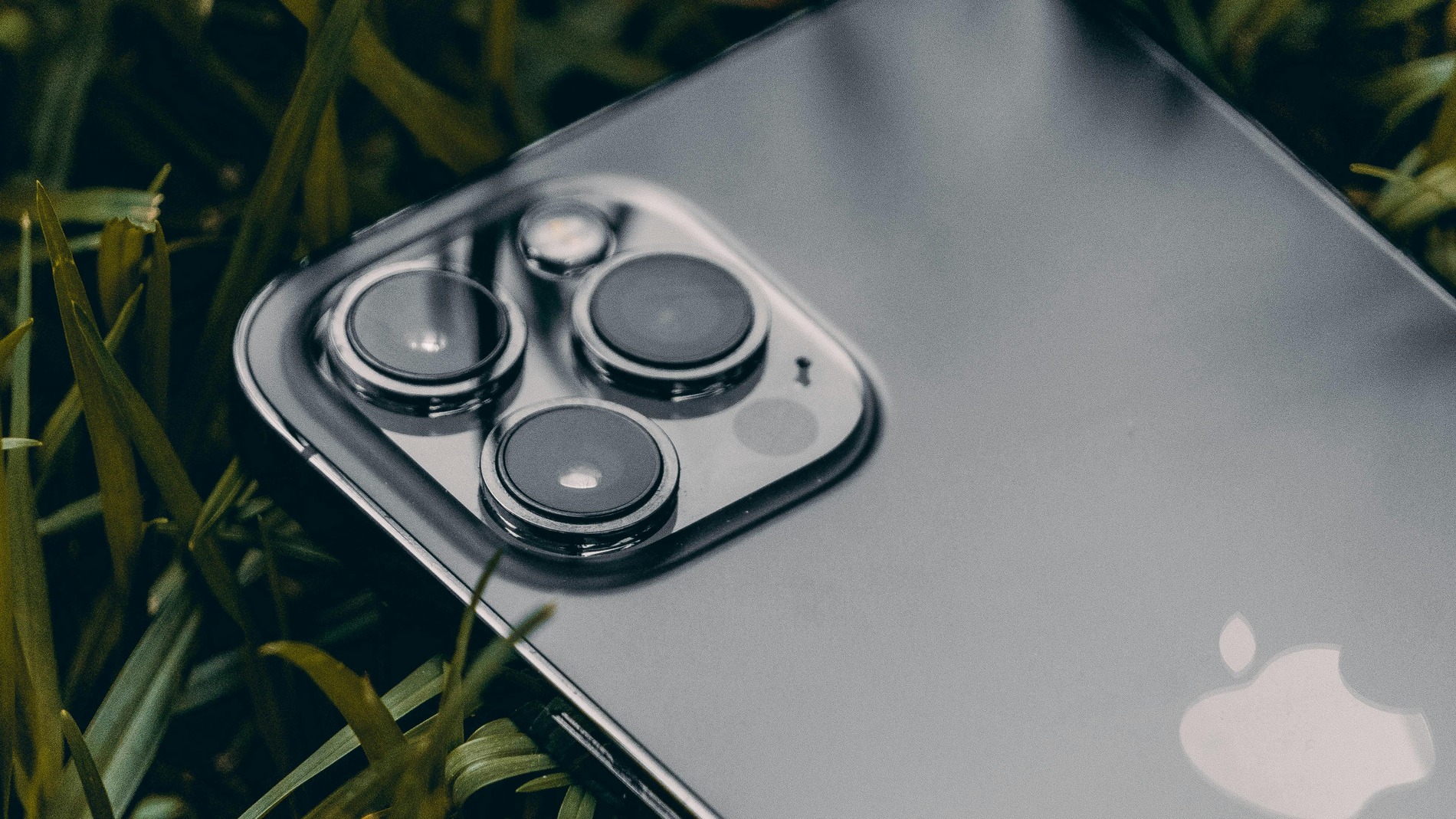
Imagine walking into an Apple Store, picking up the newest iPhone… and seeing a $2,300 price tag staring back at you. Sounds outrageous, right? But under former President Donald Trump’s newly proposed tariff plan, that sticker shock could become real.
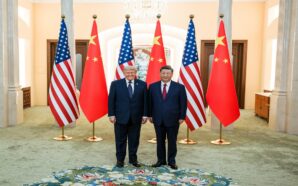
With a fresh round of tariffs on China totaling a whopping 54%, Apple’s beloved iPhone may be one of the biggest casualties. The tech giant produces the vast majority of its smartphones in China—around 200 million iPhones a year—so it’s not hard to see how this move could send ripples through the entire supply chain (and your wallet).
Why iPhones Are in the Crosshairs
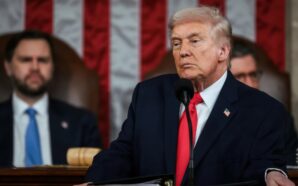
The latest round of tariffs combines a 20% rate introduced after Trump’s return to office in January and an additional 34% slapped on just this week. While tariffs are meant to encourage U.S. manufacturing and penalize reliance on foreign goods, they also make imported items—like the iPhone—much more expensive to sell.
Analysts say Apple essentially has two options:
- Eat the cost themselves and potentially disappoint shareholders.
- Pass the cost along to consumers and risk pricing out even their most loyal fans.
And if it’s the second option? Buckle up. The current iPhone 16 Pro Max, which might cost you around $1,600 now, could leap to $2,300. Even the base model iPhone 16e, which typically sits at about $600, could rise to nearly $860.
Will Apple Really Raise Prices That Much?
Industry experts think Apple may be forced to bump up prices—but not by the full 43% that some analysts predict. According to Angelo Zino at CFRA Research, Apple will likely try to eat some of the cost, at least in the short term. He believes the company might hold off until this fall, when the highly anticipated iPhone 17 launches.
But the reality is, absorbing that kind of cost isn’t sustainable long-term. Tariffs like this could cost Apple as much as $40 billion, according to Rosenblatt Securities analyst Barton Crockett.
Apple’s stock certainly didn’t take the news well. On Thursday, shares dropped a dramatic 9%—their worst day since September 2020—during a broader tech selloff sparked by the tariff news.
Could Apple Get a Pass?
It’s possible, but don’t hold your breath. During his first term, Trump didn’t include iPhones in earlier tariffs. Apple CEO Tim Cook even attended Trump’s inauguration and has since announced major U.S. investments, like a $500 billion boost to domestic jobs and a Texas-based factory.
Still, analysts caution that Trump 2.0 might play by different rules.
“If anyone could score an exemption, it’s Apple,” Zino noted. “But don’t count on it this time.”
Will iPhones Ever Be Made in the U.S.?
Not likely—at least not anytime soon. The U.S. simply doesn’t have the infrastructure, labor force, or cost advantages to take on smartphone manufacturing at scale. Most of Apple’s supply chain runs through China, India, Vietnam, South Korea, and Taiwan.
To move even 10% of that supply chain to the U.S. would take three years and cost around $30 billion, says Wedbush analyst Daniel Ives.
“It sounds great on a campaign podium,” Ives said. “But it’s a fantasy without massive subsidies and an overhaul of labor economics.”
What This Means for You
Whether or not Apple ends up raising prices right away, this tariff plan is a signal to consumers: the cost of your favorite tech could go up significantly, and soon. In an already inflation-weary economy, even a modest price hike could cause consumers to think twice before upgrading.
So, if you’ve been eyeing a new iPhone, it might be time to move fast—before that sleek gadget becomes a luxury few can afford.
Bottom line? $1,000 for an iPhone might start sounding like a bargain.
-
 President Donald Trump and executives from some of America’s largest technology companies signed a voluntary AI safety agreement at...
 -
U.S. President Donald Trump hosted Chinese President Xi Jinping in Washington from September 23 to 25 for a three-day...
-
Apple has only recently introduced its latest iPhone generation, but attention is already shifting toward what could be a...
-
Wildland firefighters across the United States are facing another demanding fire season, with federal agencies operating at Preparedness Level...
-
The debate around artificial intelligence is shifting. The question is no longer simply how powerful AI can become, but...
-
A quarter of a century has now passed since September 11, 2001. On September 11, 2026, Americans marked the...
-
Artificial intelligence isn’t only living in enormous cloud data centers anymore. At IFA 2026 in Berlin, Anker introduced MindBase,...
-
The H-1B visa program is back at the center of the U.S. immigration and employment debate. A presidential proclamation...
-
September has started with some major developments across the technology world. Google received an important outcome in its long-running...
-
The United States and Venezuela have entered a sweeping energy agreement that could reshape the relationship between the two...
-
Two very different technology updates are showing where the industry is heading next. Samsung is preparing to expand...
-
The United States has temporarily stepped back from imposing new 50% tariffs on around $20 billion worth of Canadian...