Credit: Shutterstock
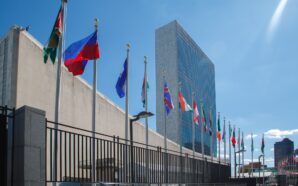
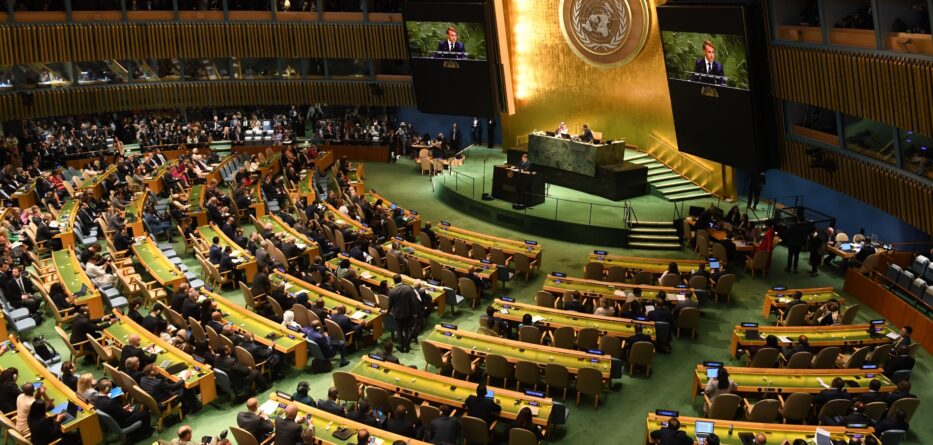
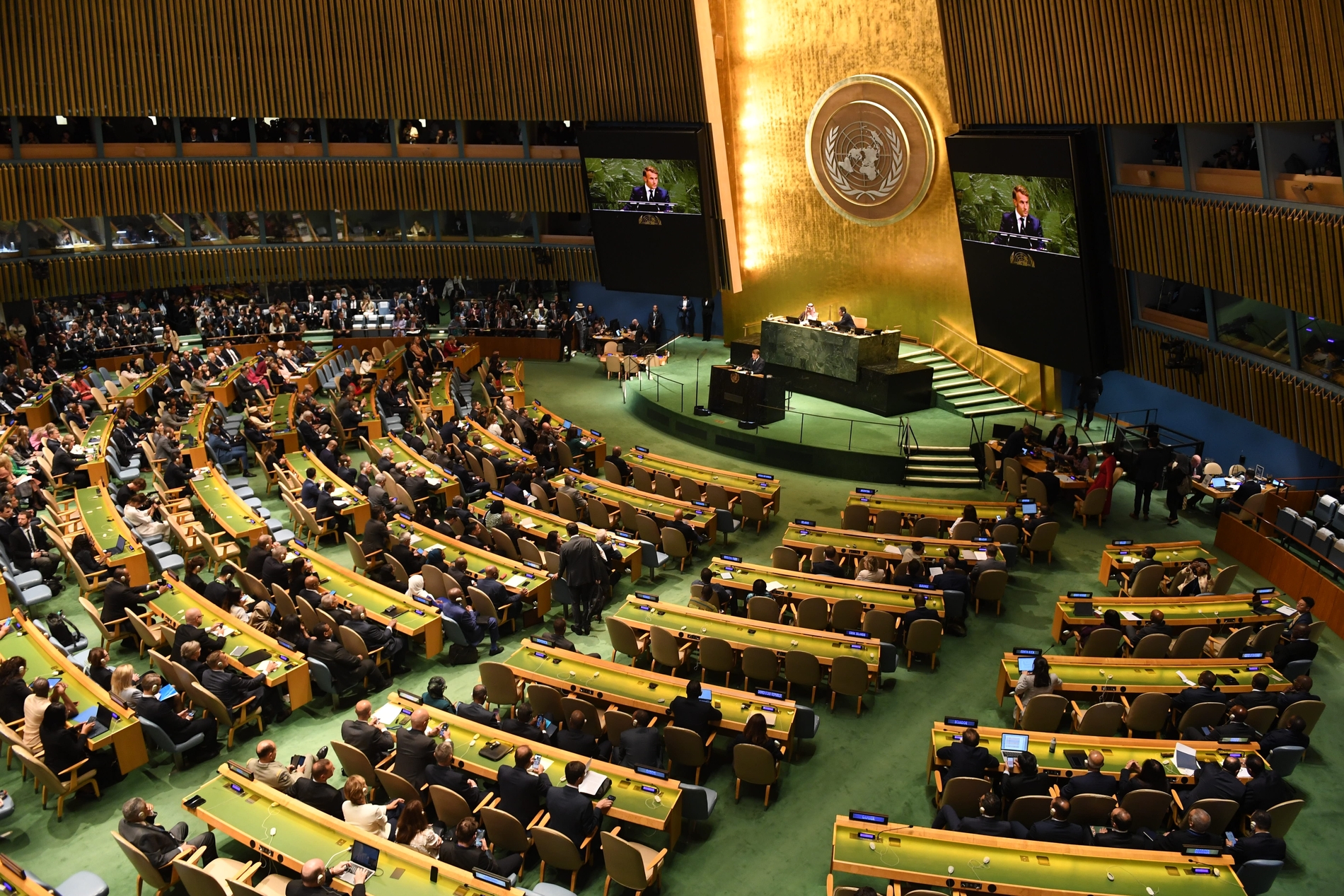
The 81st United Nations General Assembly brought another intense week of international diplomacy to New York, with world leaders confronting issues ranging from artificial intelligence and institutional reform to continuing conflict and risks surrounding vital global shipping routes.
The General Debate ran from September 22 through September 28, bringing heads of state, government officials and other senior representatives together at UN headquarters.
AI Moves Higher on the Global Agenda
Artificial intelligence was one of the recurring themes surrounding this year’s discussions.
Opening the General Debate, General Assembly President Khalilur Rahman called for reliable guardrails around AI while warning against allowing competition for technological control to develop into an uncontrolled arms race.
The discussion has become increasingly important as AI systems move into infrastructure, economies, defense systems and other areas traditionally considered matters of national security.
Rather than treating AI purely as a technology issue, governments are increasingly discussing it as part of international security and governance.
Pressure for UN Reform Continues
The future of the United Nations itself also remained part of the conversation.
Calls for reforming international institutions have grown as governments question whether structures created decades ago adequately represent today’s geopolitical balance.
The Security Council remains at the center of that debate, particularly because its five permanent members retain veto powers while many regions continue pushing for greater representation.
The discussions reflected a broader question hanging over the General Assembly: how can the UN remain effective as geopolitical divisions deepen?
Hormuz Remains a Global Concern
Maritime security added another layer of urgency.
Continued instability around the Strait of Hormuz has highlighted how quickly a regional confrontation can affect oil markets, shipping costs and global supply chains.
The waterway remains particularly important because a substantial share of internationally traded oil normally passes through it.
Disruption therefore creates consequences far beyond the Middle East, affecting energy-importing economies, businesses and consumers around the world.
Islamabad Memorandum Returns to Focus
Diplomatic efforts surrounding Iran also received renewed attention during the week.
Pakistan’s Prime Minister Shehbaz Sharif met Iranian President Masoud Pezeshkian on September 24 on the sidelines of the General Assembly.
According to Pakistan’s government, the two discussed de-escalation and implementation of the Islamabad Memorandum of Understanding, the framework developed earlier this year to reduce tensions between Iran and the United States.
Pezeshkian indicated that the framework remained acceptable to Tehran and expressed support for continued diplomatic engagement.
Diplomacy and Shipping Are Closely Connected
The discussions surrounding Hormuz demonstrate how diplomacy, security and economics increasingly overlap.
A military confrontation around a major shipping route can quickly raise energy prices, increase insurance costs and complicate international trade.
That makes restoring predictable commercial passage more than a regional security objective. It is also an important economic concern for governments far beyond the countries directly involved.
World News Day Highlights Trusted Reporting
September 28 also marked World News Day 2026.
More than 1,000 news organizations and support agencies across over 100 countries participated in this year’s campaign, which encouraged audiences to “Choose Trusted Journalism.”
The campaign placed particular emphasis on how professional journalism verifies information before publication.
That message has become increasingly relevant as AI-generated images, videos and written content make it easier for inaccurate or deliberately misleading information to spread online.
A Week Defined by Connected Risks
The conclusion of UNGA’s General Debate demonstrated how difficult it has become to separate international security from technology, economics and information.
AI development now raises questions about military competition. Maritime conflicts affect global energy prices. Disinformation can complicate public understanding of both.
The diplomatic meetings in New York did not resolve those challenges, but they provided another opportunity for governments to keep communication open at a time when the consequences of miscalculation can travel rapidly across borders.


-
 A wave of protests has spread across Europe as citizens demand action on rising living costs, housing shortages, and...
-
Brazil has entered a period of political tension following its presidential runoff on October 25, 2026, after incumbent President...
-
Russia has intensified its aerial campaign against Ukraine, launching hundreds of drones and missiles as Ukrainian forces struggle with...
-
South African jurist and former United Nations human rights chief Navi Pillay has been awarded the 2026 Nobel Peace Prize...
-
A Flydubai passenger flight traveling from Dubai to Tel Aviv was forced to make an emergency landing in Saudi...
-
Voters in the southern Philippines have taken part in a historic election that could shape the future of one...
-
The 18th BRICS Summit concluded in New Delhi on September 13 after two days of discussions involving some of...
-
The scale of the disaster unfolding across the Himalayas has become clearer, and the numbers are devastating. By September...
-
Severe weather has caused serious disruption across parts of Western Europe and Asia, with communities in Germany and China...
-
Singapore’s death penalty policies are once again under international attention. On August 18, independent United Nations human rights experts...
-
A powerful 7.4-magnitude earthquake struck western Colombia on August 10, shaking cities across the country and sending tremors into...
-
The United Kingdom’s AI Safety and Security Institute has released new evaluation findings examining how advanced artificial intelligence models...