Trade deficits, national debt, and the numbers that don’t add up
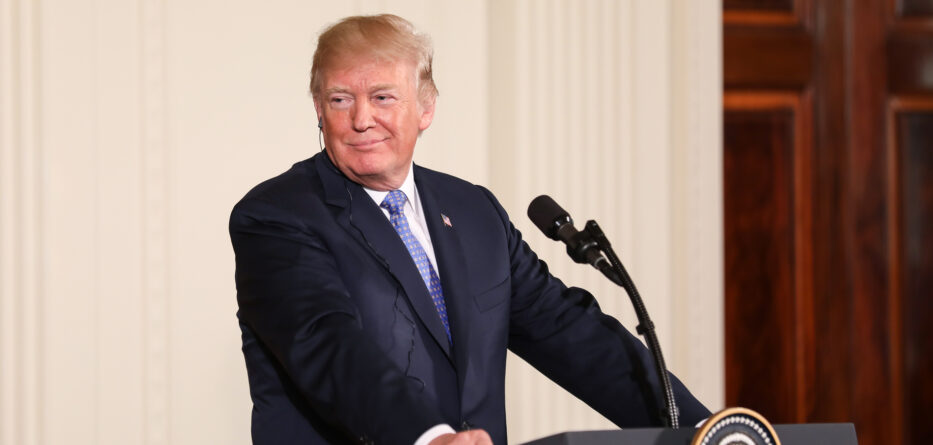
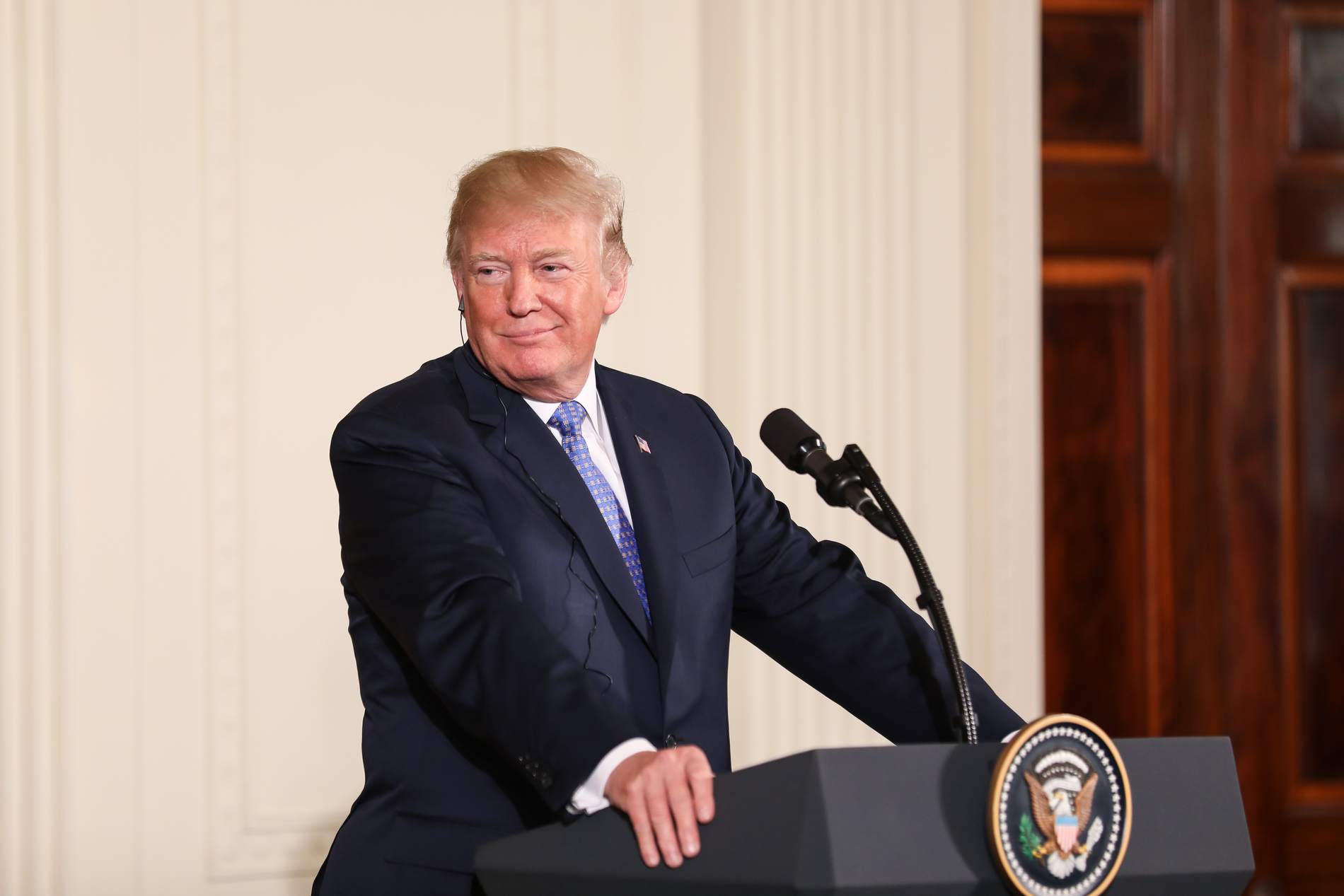
President Donald Trump recently caused a stir when he claimed that “anywhere from $3 billion to $5 billion a day” was being lost to trade before he took office, and that this was the reason the U.S. ended up with $36 trillion in debt. Speaking to the press after signing a batch of executive orders, Trump presented the figures as if they were undeniable truth. “Remember this number… that’s what we were losing. And hence we have $36 trillion in debt,” he said.
National Debt Reality Check
The U.S. national debt currently exceeds $37 trillion, a figure built over decades through a combination of federal spending, tax cuts, and economic downturns. Economists say trade deficits are not the culprit. A trade deficit occurs when imports exceed exports, and while the U.S. goods deficit reached $1.2 trillion in 2024, this does not directly cause national debt. Foreign investors often reinvest dollars from U.S. imports into Treasury bonds, helping fund government borrowing rather than creating debt.
The Flawed Logic
Experts argue that Trump’s claim misrepresents basic economics. Suggesting that losing $3 billion to $5 billion per day in trade somehow directly created $36 trillion in debt ignores how national finances actually work. Fact-checkers have repeatedly debunked similar claims, noting that trade deficits are one piece of a very complex fiscal picture. The Washington Post labeled his math “nonsense,” highlighting the gap between his statements and reality.
Political Spin or Self-Deception?
Trump’s remarks are controversial not only for their inaccuracy but for what they reveal about his approach to economic messaging. By blaming “unfair trade,” he redirects attention from government spending and tax policies, framing the debt as an external problem caused by other countries. Critics call this a convenient excuse that oversimplifies decades of fiscal mismanagement. Supporters, however, cheer his tough-trade rhetoric as proof that he’s defending American interests.
The Bigger Picture
This episode exposes the challenges of discussing U.S. economics in a politically charged environment. Complex issues like debt and trade are reduced to catchy numbers that sound alarming but do not reflect reality. While Trump’s claim may energize his base, it raises questions about public understanding of economic policy and the use of misleading statistics to shape opinions.
Bottom Line
Blaming $36 trillion in debt on daily trade losses is a bold statement that experts call misleading. The real drivers of national debt are long-term spending patterns, tax policies, and economic cycles. Trump’s comments, controversial as always, highlight the tension between political messaging and economic reality, leaving the public to sift through fact and spin.


-
 The U.S. Treasury Department launched a major financial enforcement action on October 1 targeting the A7 Network, a Russia-linked...
 -
Oil prices surged again on September 28 as hopes for a quick resolution to the U.S.-Iran conflict weakened and...
-
U.S. President Donald Trump hosted Chinese President Xi Jinping in Washington from September 23 to 25 for a three-day...
-
The U.S. 10-year Treasury yield has pushed through the closely watched 5% level, adding another challenge for investors already...
-
Wildland firefighters across the United States are facing another demanding fire season, with federal agencies operating at Preparedness Level...
-
Rocket Lab has completed a $1.944 billion at-the-market equity offering as it moves closer to acquiring satellite communications company...
-
A quarter of a century has now passed since September 11, 2001. On September 11, 2026, Americans marked the...
-
The global economy has handled several major shocks better than many economists initially expected. But International Monetary Fund Managing...
-
The H-1B visa program is back at the center of the U.S. immigration and employment debate. A presidential proclamation...
-
Global oil markets started September with another sharp reminder of just how quickly geopolitical tension can move energy prices....
-
The United States and Venezuela have entered a sweeping energy agreement that could reshape the relationship between the two...
-
Two very different parts of the financial market moved higher this week. Global oil prices climbed to their highest...