Safety crackdown or political power play?
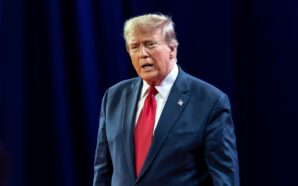
The Trump administration has warned California, Washington, and New Mexico that they could lose millions in federal funding if they fail to enforce mandatory English language rules for truck drivers. The ultimatum comes just weeks after a deadly crash in Florida, where investigators say the driver couldn’t communicate properly in English.
The funding threat
Transportation Secretary Sean Duffy said the three states have 30 days to comply. If not, the penalties could cost California about $33 million, Washington $10.5 million, and New Mexico $7 million in highway safety funds. Federal officials argue that drivers must be able to read road signs and communicate with law enforcement to ensure safety.
Why now?
The crackdown follows an August 12 crash in Florida that killed three people. The driver, Harjinder Singh, reportedly lacked both English proficiency and legal immigration status. For Trump’s team, this tragedy proves the need for tougher enforcement of language requirements in trucking.
Weak enforcement numbers
Federal records show that while states conducted thousands of inspections, almost no drivers were pulled off the road. California disqualified just one driver. Washington flagged four. New Mexico, none. The administration argues that those numbers expose states for ignoring federal rules.
Pushback from states
The states aren’t taking it quietly. California Governor Gavin Newsom called the threat “political theater,” pointing out that Singh was licensed under federal oversight, not California’s. Leaders in Washington and New Mexico said they are following federal law and accused the administration of punishing states for political gain.
Bigger than trucking
This fight isn’t just about trucker qualifications. It’s about federal power over state policy, immigration enforcement, and public safety. Supporters say Trump’s order is common sense: drivers must understand the roads they’re on. Critics say it’s a scapegoat strategy, using one tragic crash to justify stripping funds from states that already face infrastructure challenges.
Bottom line
The next month will decide whether these states bow to the pressure or take the fight to court. What’s certain is that the issue puts immigration, state rights, and federal authority back at the center of America’s political battlefield, this time on the nation’s highways.


-
 Following a tense weekend in the Strait of Hormuz, the U.S. carried out a significant wave of airstrikes targeting...
 -
Things in the Middle East have taken another sharp turn. A recently mediated ceasefire between the U.S. and Iran...
-
How Many Policies Actually HELPED Americans? A year into his second term, President Trump made a lot of promises...
-
In a surprising move that has captured attention across the tech world, the U.S. government has ordered Anthropic to...
-
Election season always brings strong opinions, and this year’s California primary elections were no exception. Following several closely watched...
-
On Tuesday, the White House introduced a major update to cybersecurity regulations targeting the protection of advanced artificial intelligence...
-
A United Airlines flight faced a tense situation on Saturday evening when a passenger tried to get into the...
-
A high-intensity security incident unfolded in Washington, D.C., on Saturday evening, drawing immediate attention and a swift law enforcement...
-
A routine military demonstration at Mountain Home Air Force Base in western Idaho took a dramatic turn over the...
-
A rare hantavirus outbreak linked to the M/V Hondius cruise ship has moved from a medical emergency at sea...
-
On April 1, the U.S. Supreme Court began hearing arguments in one of the year’s most high-stakes legal battles:...
-
A highly anticipated diplomatic summit between the United States and Iran in Islamabad collapsed before formal talks could even...