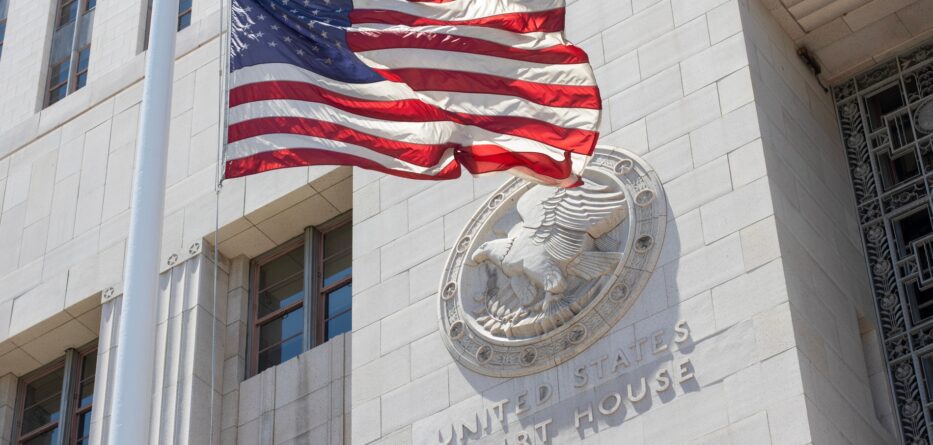
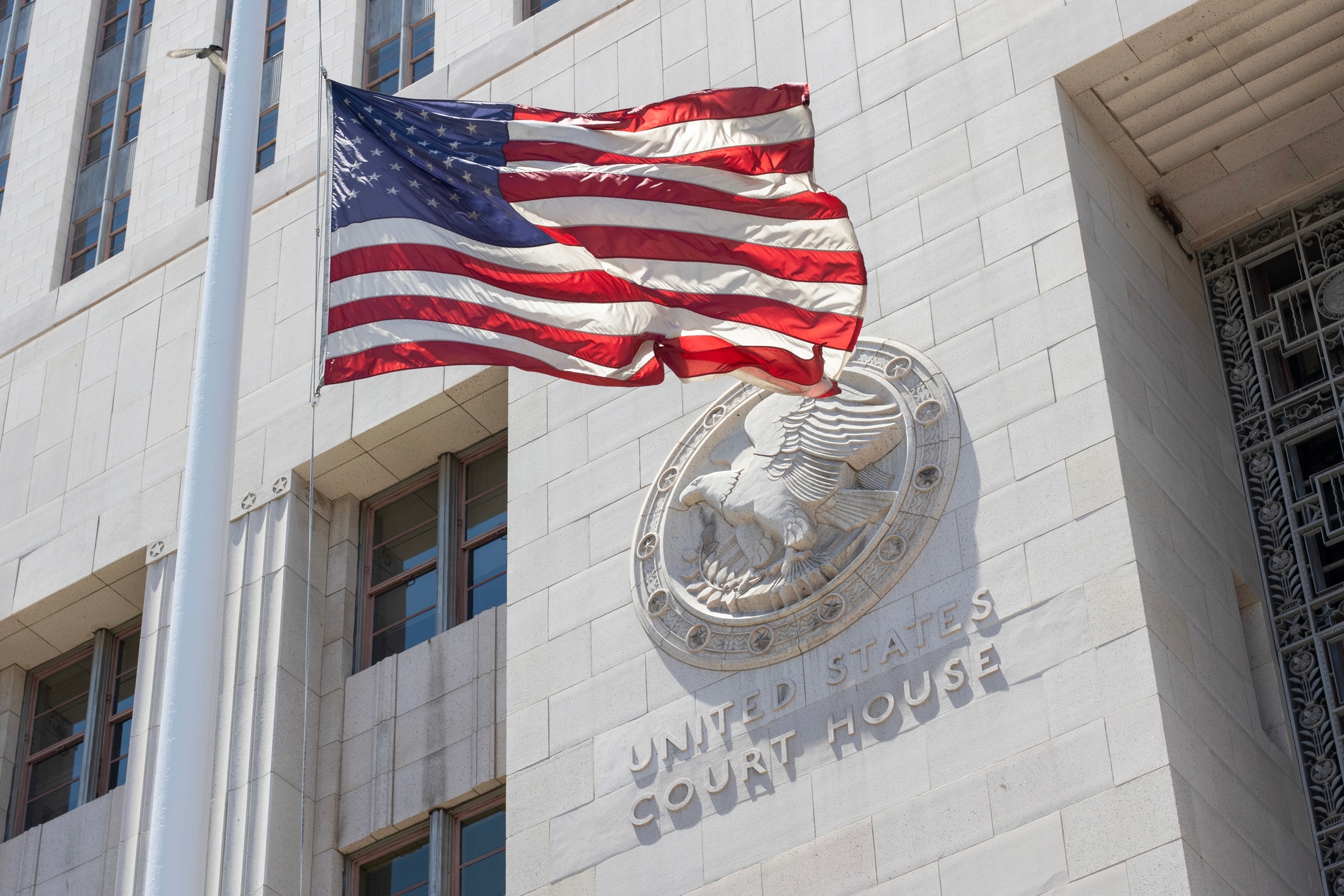
On July 20, federal authorities in the United States handed down a life sentence to Ismael “El Mayo” Zambada, a co-founder of the Sinaloa Cartel. The ruling brings to a close a decades-long criminal career that spanned multiple continents and involved complex operations in narcotics trafficking, money laundering, and racketeering. The verdict highlights the extensive reach of organized crime networks and signals a major shift in leadership within the cartel.
Decades of Criminal Activity
Zambada has been a central figure in the Sinaloa Cartel for decades. He played a key role in large-scale drug trafficking operations that extended from Mexico to the United States and beyond. According to court documents, his organization was responsible for moving tons of narcotics while generating significant profits from illegal operations. In addition, Zambada engaged in complex money laundering schemes that funneled illicit funds into legitimate businesses and investments, further expanding his influence.
Life Without Parole
The federal court sentenced Zambada to life imprisonment without the possibility of parole. This means he will spend the rest of his life in prison, reflecting the severity of the crimes he orchestrated. Prosecutors detailed the wide-ranging impact of Zambada’s actions, emphasizing both the human and societal costs of his criminal enterprise. The life sentence also serves as a warning to other leaders of organized crime groups that extensive international operations will not go unchecked.
Security and Leadership Implications
Legal experts and security analysts note that Zambada’s sentencing could accelerate changes within the Sinaloa Cartel. Leadership vacuums often lead to internal power struggles or the rise of new figures attempting to take control. Law enforcement agencies will likely monitor these shifts closely, as changes in leadership can influence trafficking routes, regional stability, and enforcement priorities. While Zambada’s removal from active operations marks a significant step, analysts warn that the organization remains active and adaptive.
Global Impact
The ruling also underscores the international nature of organized crime. Zambada’s operations extended across borders, highlighting the challenges that law enforcement agencies face in coordinating efforts across countries. The sentencing reinforces the importance of international collaboration in tracking and prosecuting complex criminal networks. It demonstrates that legal systems are capable of holding even high-profile cartel leaders accountable, despite decades of evasion.
Looking Forward
While Zambada’s sentencing is a landmark moment in the fight against organized crime, the Sinaloa Cartel and similar groups continue to operate. Authorities will need to monitor shifts in leadership, changes in trafficking operations, and new criminal tactics. The case also serves as a reminder of the human and social consequences of large-scale criminal enterprises and the ongoing work required to combat them.
Ismael “El Mayo” Zambada’s life sentence marks a significant moment in the history of the Sinaloa Cartel. With decades of criminal activity now formally addressed by the U.S. justice system, attention turns to how the cartel adapts, how law enforcement responds, and the continued efforts to disrupt organized crime networks both regionally and globally.


-
 Credit: Shutterstock In a decisive move aimed at safeguarding civilians and preserving Yemen’s unity, the Saudi-led Coalition has confirmed...
 -
Credit: Shutterstock A towering 24-meter replica of the Statue of Liberty was brought down by powerful winds in southern...
-
Credit: Shutterstock Europe is feeling the chill of more than just winter weather, as a potent strain of flu,...
-
Credit: Shutterstock In a pivotal moment for global diplomacy, Russian President Vladimir Putin is set to meet U.S. special...
-
Credit: Shutterstock Udaipur witnessed a glittering fusion of Hollywood, Bollywood, and high society this week as global icon Jennifer...
-
Credit: Shutterstock Following a horrifying road accident involving Umrah pilgrims on the Mecca–Madinah highway late Sunday night, India is...
-
Credit: Shutterstock The world is reeling from the irony this week after reports confirmed that over 100,000 trees were...
-
Credit: Shutterstock As Hurricane Melissa tore across the Atlantic, shattering records and testing the limits of modern aircraft, a...
-
Credit: Shutterstock Royal Lodge Shake-Up: Andrew and Fergie Plan Their Exit In a development that has stirred fresh waves...
-
Credit: Shutterstock Hamas Violence Sparks Fears of Peace Deal Collapse Amid Growing Power Struggle in Gaza Alarming new footage...
-
Credit: Shutterstock Muswell Hill had a lovely start to the Monday morning. Sunlight danced off the windows, the sky...
-
Credit: Shutterstock Trump’s Ironic Statements at the UN President Donald Trump shook up the United Nations General Assembly this...