
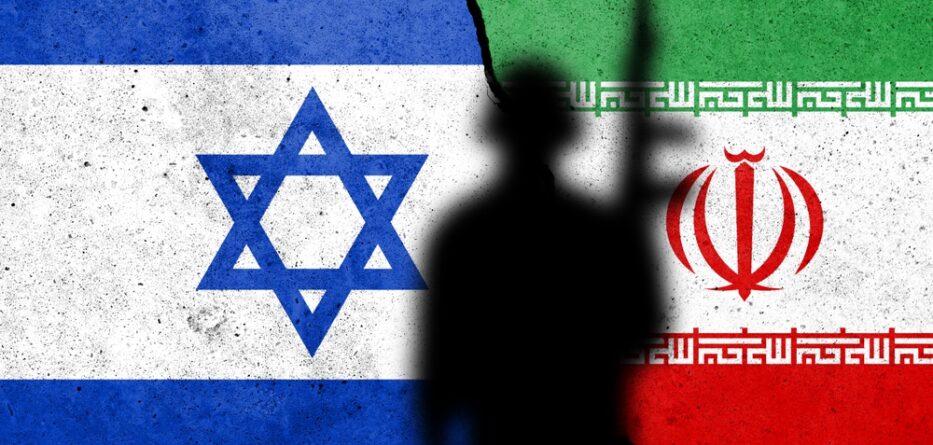

Tensions Soar as Iran Launches 100 Drones at Israel
Tensions in the Middle East reached a boiling point early Friday as Iran launched over 100 drones toward Israel in a direct and swift retaliation for a massive Israeli airstrike targeting Iran’s nuclear and military infrastructure.
The aerial assault comes just hours after Israel, in a high-risk operation named “Strength of a Lion,” deployed over 200 fighter jets in what Prime Minister Benjamin Netanyahu described as a “necessary act of self-defense” to neutralize what he called an “imminent threat of nuclear holocaust.”
“The Jewish state refuses to be a victim of a nuclear holocaust,” Netanyahu declared in a nationally televised address. “We will never allow those who seek our annihilation to obtain the means to achieve it.”
Israel’s Bold Strike: Aimed at the Heart of Iran’s Nuclear Program
The Israeli military campaign, launched under the cover of darkness, struck deep into Iran’s heartland — including the Natanz uranium enrichment facility, missile storage sites, and command centers believed to be directing Iran’s nuclear ambitions. Israeli officials say the strikes were precise and strategically aimed at dismantling Iran’s ability to produce nuclear weapons.
According to the International Atomic Energy Agency (IAEA), the Natanz facility was indeed hit, confirming Israel’s direct attack on Iran’s core enrichment capability.
Iran’s Response: Drone Swarm and Vow of “Severe Punishment”
Within hours, Iran’s Supreme Leader Ayatollah Ali Khamenei condemned the airstrikes, calling them a “crime against our beloved country.” In response, the Islamic Republic launched a wave of more than 100 explosive drones toward Israel.
“All of Israel’s defense systems are activated and operating to intercept the incoming threats,” said IDF spokesperson Brig. Gen. Effie Deffrin. “The drones are expected to reach Israeli airspace within hours, and we are fully prepared.”
Iranian state media described the drone campaign as the beginning of a “decisive response,” warning of additional retaliatory measures if further strikes occur.
Top Iranian Officials Killed in Israeli Operation
Iranian media has confirmed that several high-ranking officials and nuclear scientists were killed in the Israeli strikes, including:
- Gen. Mohammad Bagheri, Chief of Staff of Iran’s Armed Forces
- Gen. Hossein Salami, Commander of the Revolutionary Guard
- Fereydoun Abbasi, Former Head of Iran’s Atomic Energy Organization
- Mohammad Mehdi Tehranchi, Nuclear Physicist and University President
Additionally, the Revolutionary Guard’s headquarters in Tehran was reportedly engulfed in flames, with multiple explosions heard throughout the capital.
U.S. Stance: “We’re Not Involved—But Iran Must Not Target Us”
The United States quickly distanced itself from the Israeli operation. In a press briefing, Secretary of State Marco Rubio stated:
“The U.S. had no role in Israel’s actions. However, we warn Iran not to target U.S. personnel or facilities in the region.”
Former President Donald Trump, speaking live on Fox News, emphasized diplomacy and urged Iran to return to nuclear negotiations scheduled for this Sunday in Oman.
“They could be a great country,” Trump said. “But they must completely give up hopes of obtaining a nuclear weapon.”
Israel on High Alert, Public Life Disrupted
Following the strike and in anticipation of Iranian retaliation, Israel has:
- Closed its national airspace
- Cancelled all commercial flights
- Ordered bomb shelter readiness across major cities
- Cancelled public events, including the Tel Aviv Pride Parade
Defense Minister Yoav Gallant and military chief Lt. Gen. Eyal Zamir have warned that Israel is prepared for a prolonged conflict if necessary.
“Anyone who dares challenge Israel will pay a heavy price,” said Zamir.
Looking Ahead: Diplomacy or Further Escalation?
With global powers urging restraint, the question remains whether this dramatic exchange marks the start of a broader war—or a turning point toward renewed negotiations. The IAEA’s latest report indicates Iran has stockpiled enough enriched uranium for multiple bombs, while 19 nations on its board recently condemned Tehran for violating nuclear agreements.
“This is not the end,” Netanyahu cautioned. “We will take whatever action is necessary to protect our people.”
As the world watches this rapidly evolving crisis, both diplomacy and devastation remain on the table.


-
 The 2026 NATO Summit officially began in Ankara, Turkey, drawing attention from world leaders, defense analysts, and media alike....
 -
Europe is dealing with one of its harshest early-summer heat waves in years. What started as an intense spell...
-
In a dramatic turn of events off the coast of Oman on June 14, an Indian-flagged dhow sank in...
-
South Korea has taken a major step toward digital modernization with President Lee Jae-myung nominating Han Seong-sook as the...
-
Saudi Arabia’s economy has spent the past few years building a reputation for strength, reform, and steady growth. The...
-
Each year, millions of Muslims from around the world travel to Saudi Arabia to participate in the Hajj pilgrimage,...
-
Grassroots environmental movements in Europe have achieved a significant milestone within the European Union. On a recent decision in...
-
On May 12, 2026, Portugal saw a nationwide strike led by the Portuguese Nurses Union (SEP), coinciding with International...
-
On Sunday, April 5, the world of media and beyond mourned the loss of Ted Turner, the visionary founder...
-
SpaceX signaled a major shift in direction by officially expanding into a dedicated AI division, moving beyond automation tools...
-
Artificial Intelligence is becoming one of the biggest forces shaping healthcare across Europe, and new reports released through UN...
-
NASA’s Artemis II mission has officially completed one of the most significant crewed space missions in modern history. The...