
Credit: Shutterstock
Artificial intelligence is advancing faster than ever, and with that speed comes growing concern about safety, misuse, and global competition. Recently, OpenAI made headlines by proposing a bold idea: a global governance body for AI, modeled after the International Atomic Energy Agency. The goal is to create an international framework that ensures AI is developed safely and responsibly while preventing an uncontrolled arms race in AI technologies.
Timing and the US-China Summit
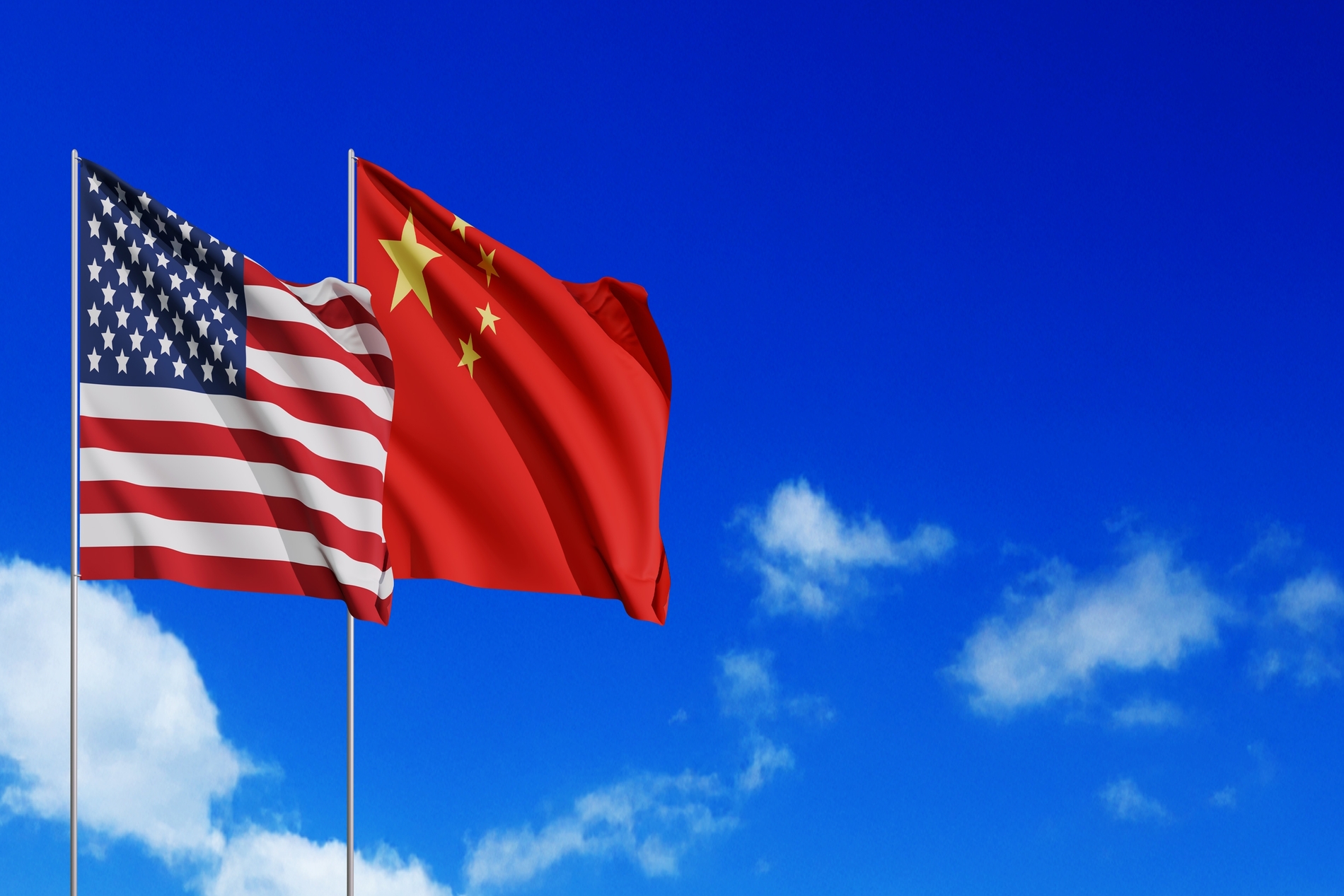
The proposal came at a particularly strategic moment. Just hours before President Trump’s high-stakes summit with Chinese President Xi Jinping in Beijing, OpenAI suggested that both countries take the lead in creating this multilateral AI structure. The timing was no coincidence. OpenAI wants the world’s two largest AI and tech powers to collaborate rather than compete recklessly. By encouraging U.S.-China cooperation, the organization hopes to create a model for other countries to follow. This framework could set international standards for AI safety, ethical development, and information sharing on vulnerabilities.
Preventing an AI Arms Race
One of the key motivations behind this proposal is preventing what OpenAI’s VP of Global Affairs, Chris Lehane, described as a potential “AI arms race.” As countries race to develop more powerful AI systems, there is a risk that safety and ethical considerations could take a backseat to speed and competitive advantage. OpenAI argues that including major players like China in a U.S.-led framework would reduce those risks. By creating shared rules and benchmarks, nations could cooperate on testing safety measures, exchanging insights, and avoiding duplicative or dangerous experimentation. This could help avoid a scenario where countries feel forced to deploy AI systems that are not fully tested or secure.
Credit: Shutterstock
How a Global Watchdog Could Work
The idea is to have a central organization monitoring AI development worldwide. It could set safety standards, evaluate risks, and coordinate information sharing between countries. Think of it as a regulatory body that ensures everyone is on the same page about responsible AI practices. By providing transparency, countries would have more trust in each other’s AI initiatives, which could reduce tensions and promote safer innovation. In addition, a watchdog could focus on critical issues like AI in defense, data security, and potential vulnerabilities that malicious actors could exploit.
Learning from History
OpenAI’s vision mirrors how international organizations have managed other high-stakes technologies, such as nuclear energy. The International Atomic Energy Agency oversees nuclear programs to ensure that power generation is safe and that weapons proliferation is minimized. OpenAI suggests a similar approach for AI, where a neutral, international body monitors development, sets global standards, and facilitates communication between nations. The emphasis is on safety, ethical practices, and risk mitigation before a crisis arises.
The Global AI Conversation
This proposal has sparked discussion across tech, policy, and diplomatic circles. Experts are debating how such an organization would function, how compliance would be enforced, and what the role of private AI companies would be. Many agree that global coordination is necessary, but they also point out the challenge of getting countries with competing interests to agree on standards. OpenAI’s recommendation highlights the urgency of starting these conversations sooner rather than later.
Looking Ahead
As AI continues to grow in capability and influence, the need for international collaboration is becoming clearer. OpenAI’s call for a global AI watchdog is an invitation for world leaders, tech companies, and policymakers to come together. By establishing a framework now, there is an opportunity to guide AI toward safe, ethical, and beneficial uses. With the U.S. and China taking a lead, the hope is that other nations will follow, creating a system of checks, shared learning, and transparency that benefits everyone.
OpenAI’s proposal shows that AI’s future is not just a technical challenge but a global responsibility. With careful planning, cooperation, and oversight, a global AI watchdog could help prevent misuse, reduce risks, and ensure that AI serves humanity safely and responsibly.


-
 Credit: Shutterstock The team behind Claude is speaking out. Anthropic has revealed what it describes as a large-scale and...
 -
Credit: Shutterstock You capture a breathtaking sunset or a perfect candid of friends, but when you look at the...
-
Credit: Shutterstock In the digital landscape of 2026, we have officially entered the era of “Post-Visual Truth.” With the...
-
Credit: Shutterstock If your iPhone keeps flashing that dreaded “Storage Almost Full” warning, you’re not alone. Between photos, apps,...
-
Credit: Shutterstock If you’ve ever glanced at your phone during a long workday and wondered whether your dog is...
-
Credit: Shutterstock If you’re a Gmail user, you might want to pause your inbox scrolling for a moment. A...
-
Credit: Shutterstock Today marks an exciting moment for the developer community as xAI officially introduces the Grok Voice Agent...
-
Credit: Shutterstock Big news in the dating world! Justin McLeod, the founder and CEO of Hinge, is stepping down...
-
Credit: Shutterstock Dubai’s dining scene has never been afraid of bold ideas—but the city’s newest culinary experiment might just...
-
Credit: Shutterstock Disney Brings Olaf to Life with AI-Powered Snowman Robot Disney has accomplished the unthinkable by transforming one...
-
Credit: Shutterstock Thirty years ago, before most people had ever heard the term “cybersecurity,” a Japanese anime depicted a...
-
Credit: Shutterstock Today, Apple announced the release of Digital ID, a new and safe method for American iPhone and...