Disturbing new evidence emerging from the frontlines of Ukraine paints a grim picture of how Russian troops are being treated by their own commanders—revealing a culture of fear, humiliation, and extreme punishment as the war drags into its fourth winter.
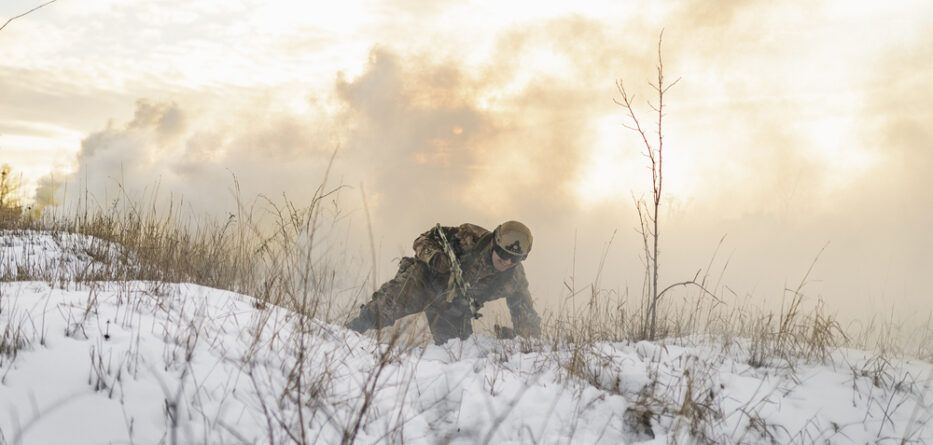
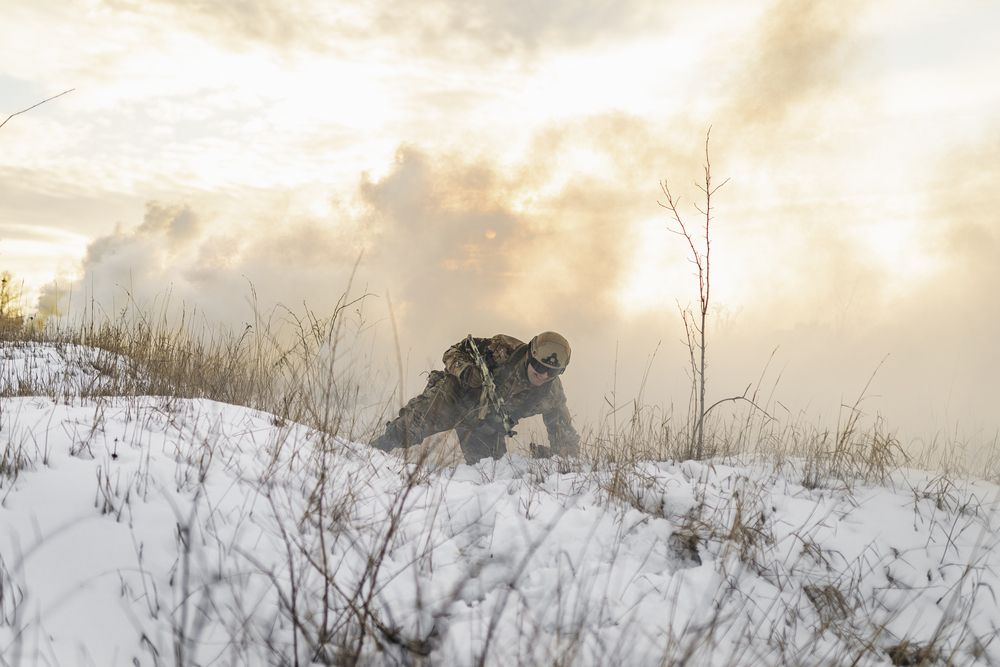
Shocking footage circulating online appears to show Russian soldiers stripped to their underwear and taped upside down to trees in freezing temperatures. The men are reportedly being punished for refusing to take part in so-called “meat-grinder” assaults—high-casualty attacks that have become synonymous with the conflict.
In one video, a visibly terrified soldier is seen bound to a tree, shivering in the cold after being stripped of his winter gear. In another, a superior officer forces a detained soldier to eat snow while berating him for allegedly attempting to abandon his position. The men plead for forgiveness, apologizing repeatedly, while their commander mocks and threatens them.
A Russian commander is “teaching” his subordinates military discipline in the Russian army
This time, new recruits were tied upside down to a tree as punishment for abandoning their combat positions out of fear of being killed. pic.twitter.com/RDSmCqBn9M
— Visegrád 24 (@visegrad24) January 26, 2026
Ukrainian commentators and war monitors say the footage highlights the increasingly brutal methods used to enforce obedience within Russian ranks. One Ukrainian channel described the scenes as evidence that “people are treated like cattle,” while others noted that frontline commanders appear to be resorting to ever more extreme punishments to force soldiers into battle.
These revelations come at a tense moment, as talk of potential peace negotiations circulates without any clear signal that the Kremlin intends to halt its invasion of Ukraine.
Meanwhile, the humanitarian toll of the war continues to deepen. Overnight Russian strikes reportedly knocked out power to around 80 percent of Ukraine’s second-largest city, Kharkiv, and the surrounding region—leaving residents without electricity in temperatures plunging to minus 18°C. Emergency crews are racing to repair extensive damage to the energy system as families endure another night of bitter cold.
Further south, new attacks on the Black Sea port city of Odesa struck residential buildings and civilian infrastructure, injuring at least 22 people. Officials said homes, a kindergarten, shops, and construction sites were damaged, and fears were raised that residents may have been trapped under rubble. Among the injured was reportedly an 86-year-old woman.
Ukrainian officials and journalists condemned the strikes as deliberate attacks on civilians, underscoring the widening gap between diplomatic rhetoric and realities on the ground.
As winter tightens its grip, these developments reveal a stark contrast: soldiers punished with cruelty for refusing to fight, and civilians enduring power cuts, разрушed homes, and fear—while the prospect of peace remains uncertain.


-
 The United Kingdom’s political landscape has experienced a major change as Greater Manchester Mayor Andy Burnham prepares to step...
 -
The 2026 NATO Summit officially began in Ankara, Turkey, drawing attention from world leaders, defense analysts, and media alike....
-
Europe is dealing with one of its harshest early-summer heat waves in years. What started as an intense spell...
-
In a dramatic turn of events off the coast of Oman on June 14, an Indian-flagged dhow sank in...
-
South Korea has taken a major step toward digital modernization with President Lee Jae-myung nominating Han Seong-sook as the...
-
Saudi Arabia’s economy has spent the past few years building a reputation for strength, reform, and steady growth. The...
-
Each year, millions of Muslims from around the world travel to Saudi Arabia to participate in the Hajj pilgrimage,...
-
Grassroots environmental movements in Europe have achieved a significant milestone within the European Union. On a recent decision in...
-
On May 12, 2026, Portugal saw a nationwide strike led by the Portuguese Nurses Union (SEP), coinciding with International...
-
On Sunday, April 5, the world of media and beyond mourned the loss of Ted Turner, the visionary founder...
-
SpaceX signaled a major shift in direction by officially expanding into a dedicated AI division, moving beyond automation tools...
-
Artificial Intelligence is becoming one of the biggest forces shaping healthcare across Europe, and new reports released through UN...