
Credit: Unsplash
Dutch Research Organization’s Forecast Faces Skepticism from Scientists and Authorities
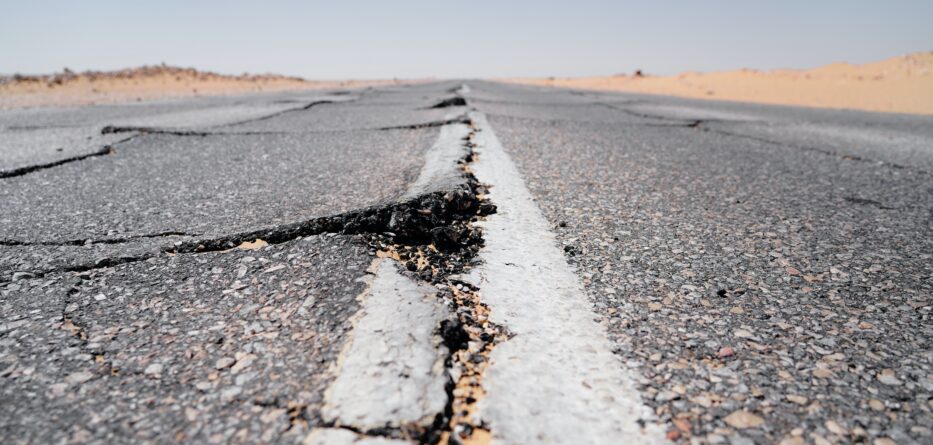
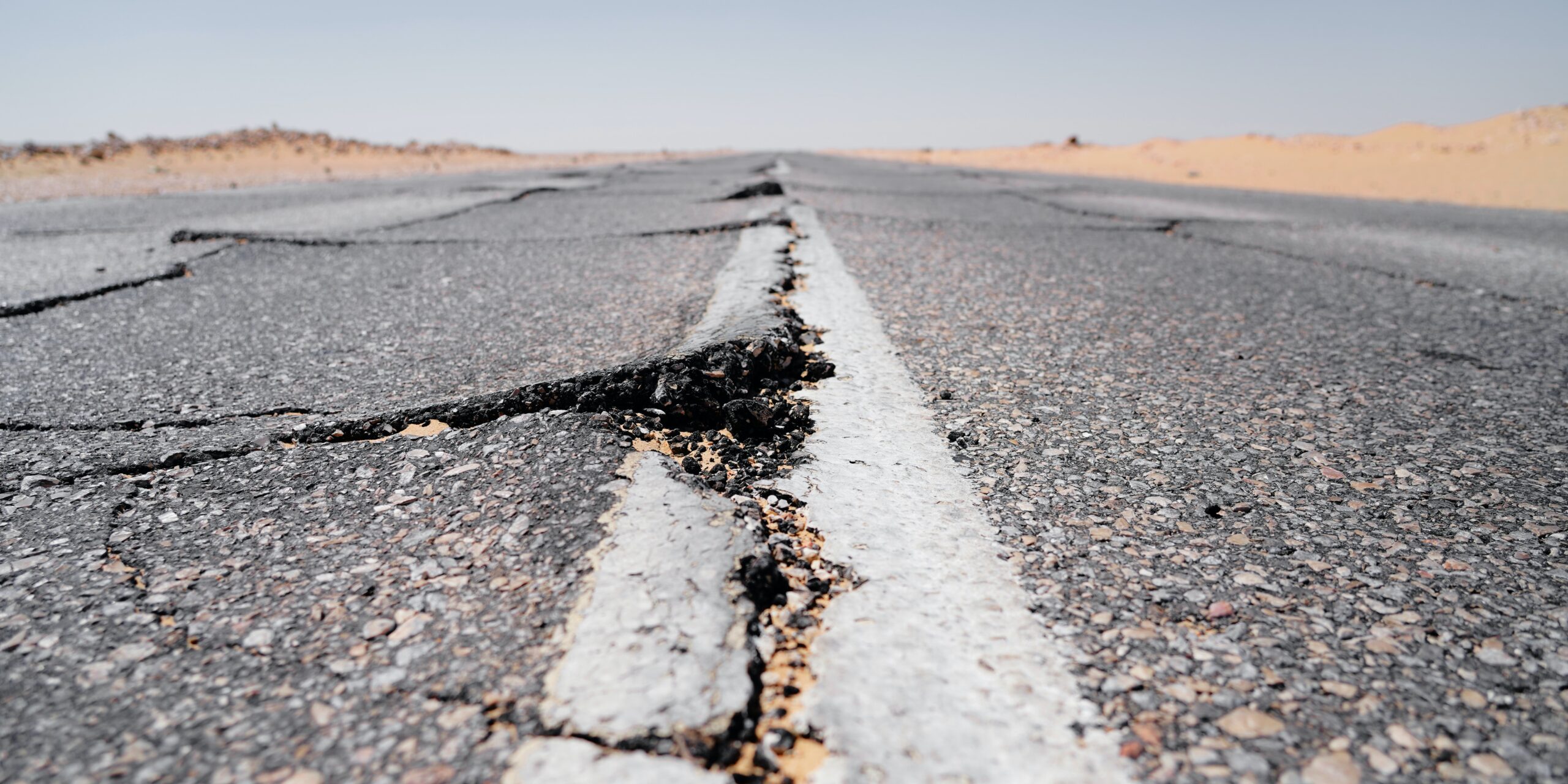
Recent predictions by the Solar System Geometry Survey (SSGS), a Dutch research organization, about a potential powerful earthquake along the Chaman fault line in Balochistan, Pakistan, have ignited discussions and reactions both in social media circles and among local authorities.
The SSGS methodology involves monitoring fluctuations in atmospheric electric charge near sea level, which are associated with Earth’s axis rotation. This method aims to identify regions where significant earthquake activity may occur within a relatively short timeframe, typically between one to nine days.
The prediction initially shared on social media, gained prominence when echoed by Frank Hoogerbeets, a researcher and seismologist at SSGS, known for making accurate predictions in the past. Mr. Hoogerbeets forecasted a major earthquake in Pakistan, particularly along the Chaman fault line, with a magnitude of six or higher on the Richter scale.
However, experts within the scientific community, including seismologists and geologists, have challenged the claims of the Dutch institute. Scientists have reiterated that earthquakes primarily result from the movements of tectonic plates deep underground and that predicting such movements accurately remains beyond the scope of current scientific knowledge.
Chaman fault line Area
Mentioned in #earthquake prediction pic.twitter.com/5LFLjutCEE— Umar Mir (@UmarMir_) October 2, 2023
A senior official from the Pakistan Meteorological Department (PMD) emphasized that the formula identified by SSGS has not been recognized by scientific bodies worldwide. The official further explained that earthquake causes are often associated with complex underground geological formations, making precise predictions nearly impossible.
Global consensus among scientists underscores the current limitations in earthquake forecasting, with the capability to predict specific earthquake dates, locations, and magnitudes remaining elusive.
Professor Din Muhammad, former dean of the Faculty of Environmental Sciences at the University of Balochistan, acknowledged seismic activity along the Chaman fault line but emphasized the uncertainty surrounding the timing of potential earthquakes originating from this fault line.
Despite scientific skepticism, local authorities in Balochistan have taken the prediction seriously. The Pishin deputy commissioner has called for an emergency meeting of relevant departments, including the PDMA Balochistan, to prepare for any potential eventuality should the SSGS prediction materialize.


-
 Breaking News It’s a political uproar in the north this week as Canada took to the poles in order...
 -
Breaking News It’s something many people were not hoping for but news has broke that American troops will be...
-
-
Breaking News And the 2015 Nobel Prize has officially been announced and it’s the moment that thousands of people...
-
A Day To Remember Today is a big day for Germany as it marks a day of unity. It...
-
-
United Nations Gathering It’s a controversial topic that was brought up yesterday as Obama spoke to the members of...
-
United Nations Meet In New York City Alright New Yorkers, get ready for another high gridlock alert day as...
-
A True Act Of Kindness As we all know, taxi drivers aren’t known for their kind heart and generosity....
-
-
-