For many Americans, opening a first savings or checking account is a milestone—maybe it’s where birthday money went, or where that first paycheck landed. But for millions of adults, that “first account” moment is happening much later in life. And that’s okay. In fact, it’s becoming more common than ever.
If you’re dealing with financial hardship, struggling to make ends meet, or relying on cash or payment apps to get by, your local bank or credit union may be more helpful—and more welcoming—than you think.
More People Are Discovering Banking Later in Life
In 2024 alone, nearly 4.8 million new low-cost Bank On accounts were opened across the country, a sharp increase from the year before. These accounts are part of a nationwide effort led by community groups and financial institutions to make banking simpler, safer, and more affordable for people who have been left out of the system.
By the end of last year, more than 14 million people were actively using these accounts. That growth tells an important story: when banks remove barriers like high fees and minimum balance requirements, people step in.
Why Having a Bank Account Matters
Living without a bank account can make everyday life harder than it needs to be. Saving money becomes difficult. Paying bills can be stressful. And without a banking history, it’s tough to qualify for affordable loans when you need them most.
Banks and credit unions also offer something cash and apps can’t—protection. If money is lost or stolen, financial institutions can help recover it. They also help people build relationships that open doors to better financial opportunities over time.
As one banking expert put it, cash flow is everything. Having your money in the right place at the right time can make the difference between staying afloat and falling behind.
Unbanked vs. Underbanked—What’s the Difference?
Being unbanked means not having a checking or savings account at all. While the number of unbanked households has dropped to historic lows, millions still rely entirely on cash, leaving them vulnerable to theft and loss.
Others are considered underbanked. They have an account, but still depend heavily on prepaid cards, check-cashing services, or payday loans. These alternatives often come with high fees that quietly drain already-tight budgets.
Why Some People Avoid Banks
Many people stay away from banks because of past experiences—unexpected fees, rejected applications, or accounts closed over small overdrafts. Others simply don’t trust financial institutions or believe they won’t qualify.
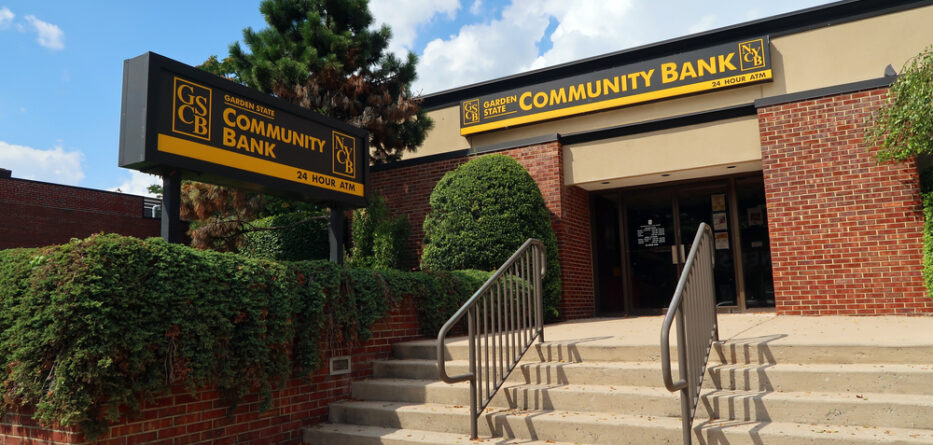
That perception is changing. Community banks and credit unions are actively working to rebuild trust by offering accounts with low or no fees and by taking the time to understand each person’s situation.
As one credit union leader explained, banking isn’t an exclusive club. You don’t need perfect credit or a spotless financial history to get started.
How Community Banks Can Help You Move Forward
Local financial institutions are often more flexible than big national banks. They may be willing to work with people who had trouble in the past—sometimes over something as small as a $35 overdraft.
Banks can also help prevent future problems by offering tools like real-time pay options, which allow workers such as rideshare drivers to get paid immediately and avoid overdrafts. They can provide safer, lower-cost ways to send money internationally, helping families avoid expensive wire fees.
Just as importantly, having a bank account makes it easier and faster to receive government benefits. During the pandemic, many people opened accounts for direct deposit, and today most federal benefits are no longer issued by paper check.
Banking as a Path to Stability
A large share of working households today are considered financially fragile—earning income but still unable to cover basic needs like housing, childcare, food, and healthcare. These families often rely on costly financial services that keep them stuck in a cycle of hardship.
Community banks and credit unions aim to break that cycle. By offering affordable accounts, fair loans, and personal guidance, they help people take small but powerful steps toward stability and long-term security.
Your Next Step
If you’ve felt locked out of the financial system, now may be the right time to take another look. Your neighborhood bank or credit union could be a partner in rebuilding—not judging—your financial life.
A safe, affordable bank account isn’t just a place to store money. It’s a tool for protecting what you have, planning for what’s next, and creating opportunities for the future. Sometimes, the help you need is closer than you think.


-
 Indian stock markets posted strong gains on March 25, signaling renewed confidence among investors after a period of volatility...
 -
The latest Federal Reserve meeting landed right in the middle of a sensitive moment for markets. On March 18,...
-
Technology stocks staged a notable rebound in early March as investor confidence returned to the artificial intelligence sector. Strong...
-
Several universities in Hong Kong have expressed support for a government plan to launch short term study tours designed...
-
Credit: Shutterstock When Albert Einstein reportedly called compound interest the “eighth wonder of the world,” he wasn’t talking about...
-
Credit: Shutterstock If “Trump Accounts” weren’t on your radar before, they probably are now. After a high-profile Super Bowl...
-
Credit: Shutterstock Gold prices surged to a historic high this week, crossing the $5,300 per ounce threshold as strong...
-
Credit: Shutterstock Bitcoin, the world’s largest cryptocurrency, has stumbled below the closely watched $89,000 level, reminding investors just how...
-
Credit: Shutterstock Bitcoin is back in the spotlight — and it’s making waves. The world’s largest cryptocurrency surged past...
-
Credit: Shutterstock Gold is having a moment — and it’s a big one. As global uncertainty rattles markets, gold...
-
Credit: Shutterstock Bitcoin gave the crypto community plenty to talk about this Christmas Eve, as prices dipped toward the...
-
Credit: Shutterstock For many consumers, fully embracing digital banking remains a significant hurdle. Even as the digital landscape matures,...