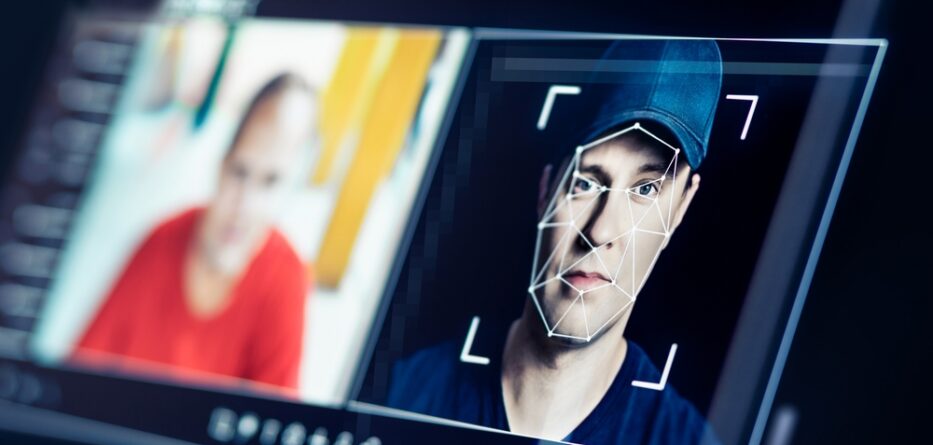
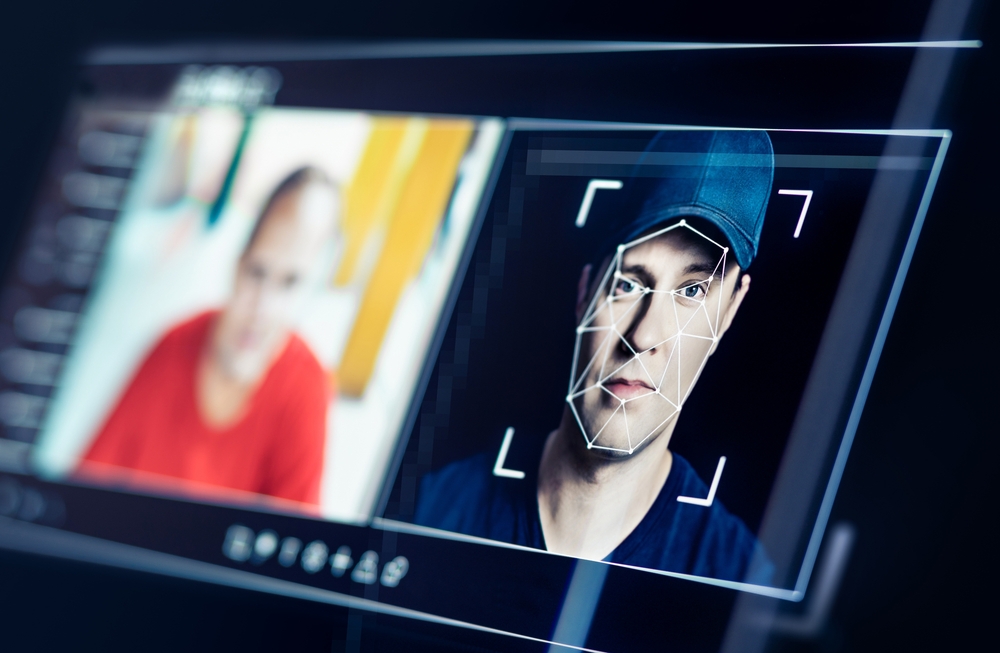
In the digital landscape of 2026, we have officially entered the era of “Post-Visual Truth.” With the release of ultra-sophisticated generative models like Veo and Sora, high-fidelity AI video is no longer a futuristic concept—it is part of our daily scrolls. While these tools empower creators, they also give rise to hyper-realistic deepfakes that can deceive even the most tech-savvy users.
The good news? Even the most advanced AI still leaves “digital fingerprints.” You don’t need specialized software to catch them; you just need to know how to perform a ten-second visual audit.
The Ten-Second Audit: A Step-by-Step Guide
To catch a deepfake, you have to look for the “uncanny valley”—that subtle feeling that something is human-ish but not quite human. Here is how to break down your observation.
Phase 1: The Texture Check (Seconds 1–3)
Artificial Intelligence tends to prioritize the “average” human look, which often results in a face that is too perfect.
-
The Porcelain Effect: Real human skin has pores, fine lines, uneven pigment, and occasional blemishes. Deepfakes often look “airbrushed” or waxy.
-
The Shadow Gap: Watch the shadows under the nose or chin. AI frequently struggles to calculate how light should bounce off a moving 3D object, leading to shadows that look “flat” or detached from the person’s movements.
Phase 2: The Biological Glitch (Seconds 4–6)
AI mimics patterns, but it doesn’t always understand biology. Focus on the parts of the face that require complex muscle coordination.
-
The Eyes and Teeth: Look at the reflections in the pupils. In a real video, the light source should be consistent in both eyes. In a fake, the glints might be different shapes. Additionally, look at the teeth—AI often renders them as a single white block (the “unitooth”) rather than individual, slightly irregular shapes.
-
The Blink Rate: Humans blink in response to light, emotion, and physical sensation. Deepfakes often feature “perfect” rhythmic blinking or, conversely, no blinking at all.
Phase 3: Boundary Failure (Seconds 7–8)
The most common point of failure for a deepfake is the “edge” where the AI-generated face meets the real-world background.
-
The Hairline and Jewelry: Observe the hair moving against the forehead. Does it look like a solid mass, or do individual strands move naturally? Watch earrings or glasses; if they flicker, disappear, or “melt” into the skin for a split second, you are looking at a digital overlay.
-
The Collar and Neck: AI often struggles to bridge the gap between a generated face and a real neck. Look for a “seam” or a slight blurriness where the jawline meets the throat.
Phase 4: The Linguistic Lag (Seconds 9–10)
Finally, listen. Audio-visual synchronization is incredibly difficult to perfect in real-time or high-compression environments.
-
The “M-B-P” Test: Pay close attention to words starting with M, B, or P. These require the lips to fully close and press together. If the sound occurs while the lips are still slightly parted, the video is likely a deepfake.
The 2026 “Turing Test” for Live Video
If you suspect you are talking to a deepfake during a live video call, there is one foolproof trick that remains effective in 2026: The Profile Request.
Ask the person to turn their head fully to the side or pass their hand quickly in front of their face. Most real-time deepfake algorithms are trained on “front-on” data. When forced to render a profile or handle an “occlusion” (like a hand blocking the face), the AI will often glitch, causing the facial features to warp or the mask to drop entirely.
Summary Checklist for Quick Reference
| Feature | The Red Flag |
| Skin | Appears waxy, plastic, or lacks pores and wrinkles. |
| Eyes | Reflections don’t match; blinking is robotic or absent. |
| Edges | Jewelry flickers; hair merges with the background. |
| Speech | Lips don’t fully close on “P,” “B,” and “M” sounds. |
In an age where seeing is no longer believing, your strongest defense is a healthy dose of skepticism. By spending just ten seconds looking for these subtle inconsistencies, you can navigate the digital world with confidence.


-
 Credit: Shutterstock Paralyzed Woman Stuns the World Using Elon Musk’s Neuralink Chip In an awe-inspiring moment that blends science...
 -
Credit: Shutterstock What’s on your mind today? Chances are, you’re not alone if you’ve turned to ChatGPT for answers....
-
Credit: Unsplash Japan Is Living In the Future Japan just broke the internet speed record by reaching 1.02 petabits...
-
Credit: Envato Elements Calling All Builders — Hugging Face’s DIY Robot Kit Is Now Available Imagine having a curious...
-
Credit: Unsplash Is This New Bill Going to Be a Problem for Americans? AI is creeping into every part...
-
Credit: Unsplash Microsoft Layoffs Are Coming Again; Here’s What We Know Microsoft is letting go of thousands of employees,...
-
Credit: Unsplash Is This a Good Idea? Many Americans Don’t Think So Microsoft’s AI is officially heading to the...
-
Credit: Shutterstock Nintendo is officially rolling the dice on the future of gaming—again. With the upcoming launch of the...
-
TikTok introduces a soothing new feature to help users unwind, sleep better, and break the late-night scrolling habit Yes,...
-
How a Beeping Modem Turned Into Lightning-Fast Connection Everywhere? Once upon a time — and not even that long...
-
Trump’s Latest Tariff Hike Could Send iPhone Prices Soaring Imagine walking into an Apple Store, picking up the newest...
-
Microsoft Enhances Copilot with AI-Driven Tools to Streamline Deep Research and Data Analysis Microsoft is taking Copilot’s capabilities to...