
Credit: Unsplash
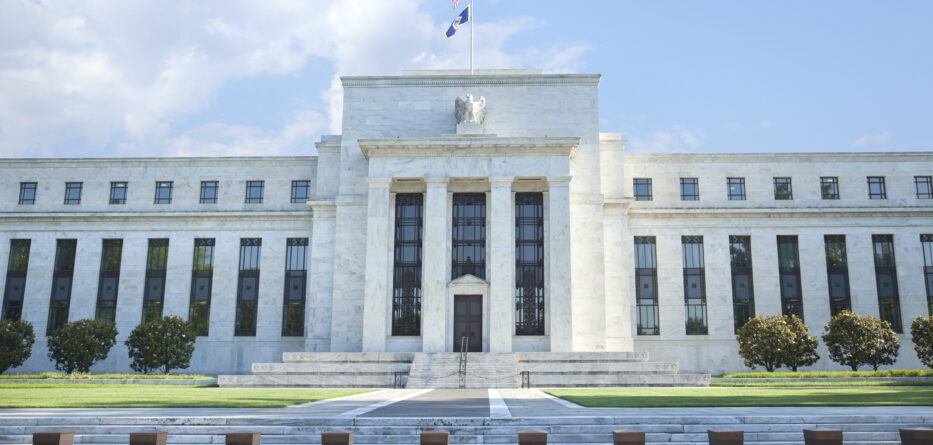
Fitch Ratings, a leading global credit rating agency, has released a new economic outlook report predicting that the U.S. Federal Reserve will begin a slow and steady reduction of interest rates starting at its upcoming September policy meeting. The cautious approach reflects the Fed’s ongoing efforts to manage inflation, which remains above its 2% target.
Key Points:
Gradual Rate Cuts Expected: Fitch forecasts that the Federal Reserve will cut interest rates by 25 basis points in both September and December meetings. Further reductions are anticipated in 2025 and 2026, totaling a 250 basis point decrease over 25 months.
Milder Easing Cycle: This projected easing cycle is expected to be milder than historical averages. Typically, the median rate cut from peak to bottom in past cycles since the 1950s has been around 470 basis points over eight months.
Inflation Remains a Concern: Despite recent declines, inflation rates are still above the Fed’s desired level. Core inflation, which excludes volatile food and energy prices, has seen reductions mainly due to a drop in automobile prices—a trend that may not continue.
Fed’s Cautious Approach: Fitch notes that the Federal Reserve is likely to proceed carefully with rate cuts due to the challenges it has faced in controlling inflation over the past few years. There is a renewed focus on understanding the underlying factors driving inflation.
Global Perspectives:
China’s Rate Cuts: In Asia, Fitch expects the People’s Bank of China to continue cutting interest rates in response to deflationary pressures. China’s core inflation has fallen to just 0.3%, and producer prices are declining.
Japan’s Rate Hikes: Conversely, the Bank of Japan is anticipated to raise interest rates more aggressively than previously expected. With core inflation above the BOJ’s target for nearly two years and ongoing wage growth, the BOJ is moving towards normalizing monetary policy.
About Fitch Ratings:
Fitch Ratings is a global leader in credit ratings and research. The company’s insights and analysis help investors make informed decisions about the creditworthiness of businesses and governments worldwide.

-
 Oil prices surged again on September 28 as hopes for a quick resolution to the U.S.-Iran conflict weakened and...
 -
The U.S. 10-year Treasury yield has pushed through the closely watched 5% level, adding another challenge for investors already...
-
Rocket Lab has completed a $1.944 billion at-the-market equity offering as it moves closer to acquiring satellite communications company...
-
The global economy has handled several major shocks better than many economists initially expected. But International Monetary Fund Managing...
-
Global oil markets started September with another sharp reminder of just how quickly geopolitical tension can move energy prices....
-
Two very different parts of the financial market moved higher this week. Global oil prices climbed to their highest...
-
The Federal Reserve’s July meeting minutes have given investors a clearer look at what policymakers are thinking about inflation...
-
Oil prices jumped sharply on August 10 as uncertainty surrounding shipping through the Strait of Hormuz returned to the...
-
The first week of August brought a fresh wave of attention to India’s economy. The Reserve Bank of India...
-
Global financial markets experienced fresh movement as oil prices climbed, Treasury yields shifted, and investors looked for stability following...
-
South Korea took swift action on July 21 to address recent volatility in its currency markets. The Korean Won...
-
The Bank of Canada (BoC) has decided to keep its benchmark overnight interest rate steady at 2.25% for the...