A surprise economic plot twist may be brewing as America heads into the new year: millions of households could soon receive tax refunds so large, they might accidentally kick inflation back into high gear.
This unexpected twist stems from President Donald Trump’s recently approved tax package—nicknamed by GOP leaders as the “One Big Beautiful Bill.” While the law was billed as a boost to taxpayers, economists now say its generous retroactive benefits—stretching all the way back to 2025—could unleash a spending wave powerful enough to nudge prices upward again.
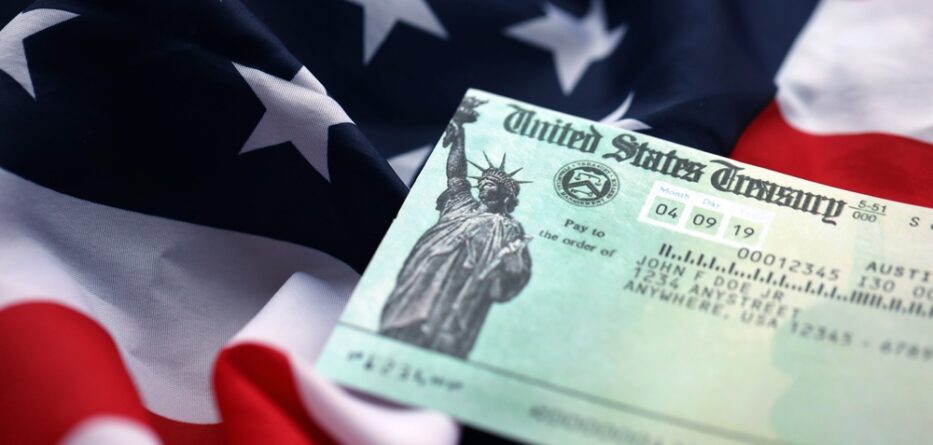
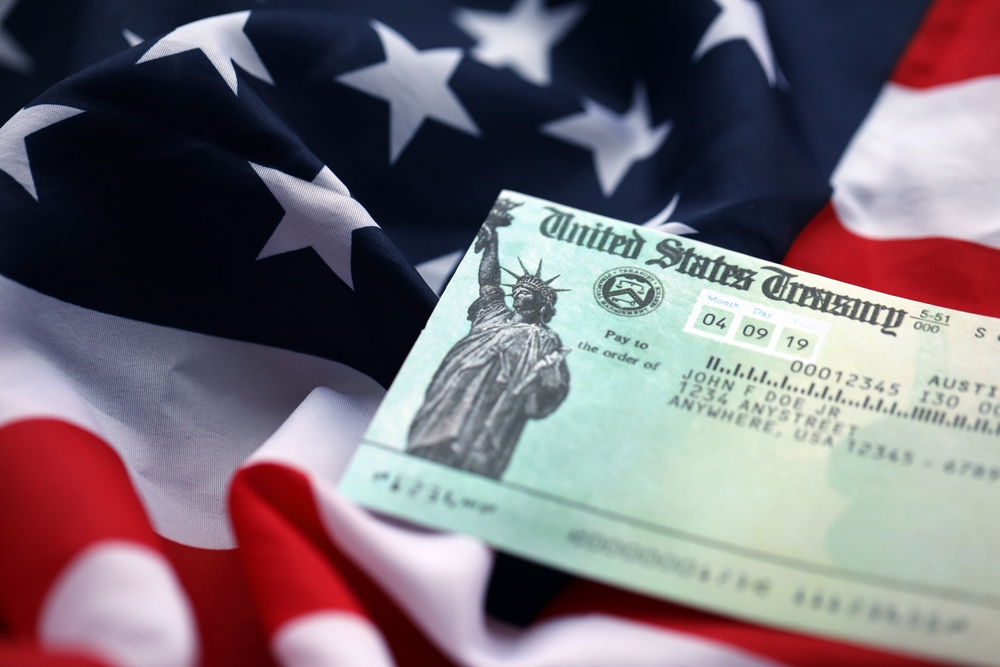
Financial strategists are calling it a “refund surge,” and the numbers are eye-catching. JP Morgan Asset Management estimates the IRS may send an average refund of $3,278 to more than 104 million Americans—with both figures potentially climbing even higher once final adjustments are made.
“This will feel a lot like a mini-stimulus,” says David Kelly, the firm’s chief global strategist. “It won’t be as rapid-fire as the pandemic payments, but the boost to spending could be meaningful.”
Some experts warn that this unexpected cash stream, arriving just as the Federal Reserve faces pressure to cut interest rates again in December, could create a challenging cross-current for policymakers.
“We’re adding more fuel to consumer demand right when the central bank is being pushed to ease policy,” says David Kotok, co-founder of Cumberland Advisors. “That combination tends to push prices up, not down.”
Complicating matters further, Washington continues to churn out headline-grabbing policies that create uncertainty for businesses and households alike. “This economy is being shocked on a daily basis,” Kotok adds. “I don’t expect inflation to quietly fade into the background anytime soon.”
And yet—American consumers appear unfazed. Despite recession chatter, household spending remains as lively as ever. Data from Adobe show holiday purchases through Cyber Monday jumped 7.1% from last year, reflecting a public that seems surprisingly resilient.
Ed Al-Hussainy of Columbia Threadneedle Investments argues that fears of a fragile consumer are misplaced. “There’s no sign of people clutching their wallets,” he says. “Every forecast that assumes they’ll suddenly pull back has been proven wrong.”
Still, not all indicators point to runaway inflation. Several economic research groups, including Pantheon Macroeconomics, predict that slowing wage growth and cooling service-sector prices will steer inflation lower in the coming months—regardless of a short-term spending bump.
Al-Hussainy stresses that wage trends remain the heartbeat of inflation: “Without strong wage growth, inflation has a hard time sticking. What we’re seeing now feels more like a slow leak than an overheating balloon.”
As tax season approaches, Americans may soon find extra cash in their bank accounts—and the country may discover whether a well-meaning tax break can inadvertently reshape the nation’s economic trajectory.

-
 Wednesday is poised to be a pivotal day for economic news, as investors and economists brace for a crucial...
 -
AMC Entertainment Holdings Inc. successfully raised approximately $250 million through a stock sale completed on Monday, coinciding with the...
-
Bank of America has reported impressive first-quarter earnings, surpassing analysts’ estimates for both profit and revenue, driven by better-than-expected...
-
Ken Griffin, the founder and CEO of Citadel, emphasized the importance of prudence in the Federal Reserve’s strategy regarding...
-
Michael Saylor, a prominent figure in the world of cryptocurrency, has seen significant gains this week as the value...
-
The Office for National Statistics (ONS) released official figures on Wednesday, revealing that the United Kingdom posted a record...
-
Federal student loan borrowers are in a tough situation as the pause on loan payments, implemented during the pandemic,...
-
As scrutiny intensifies, Fujitsu faces repercussions for its role in the Post Office scandal. The UK government has issued...
-
Tech Billionaire Proposes Renaming Wikipedia to ‘Dickipedia’ in Exchange for Record Donation In a recent social media spectacle, tech...
-
Urgent IMF Deal Needed to Prevent Pakistan’s Economic Collapse, Bloomberg Warns Bloomberg, a renowned US-based financial news service, has...
-
Federal student loan borrowers are in a tough situation as the pause on loan payments, implemented during the pandemic,...
-
Silicon Valley Bank’s Acquisition Fallout: Rising Unemployment and Uncertain Future First Citizens BancShares Inc., the new Silicon Valley Bank...