


Credit: Shutterstock
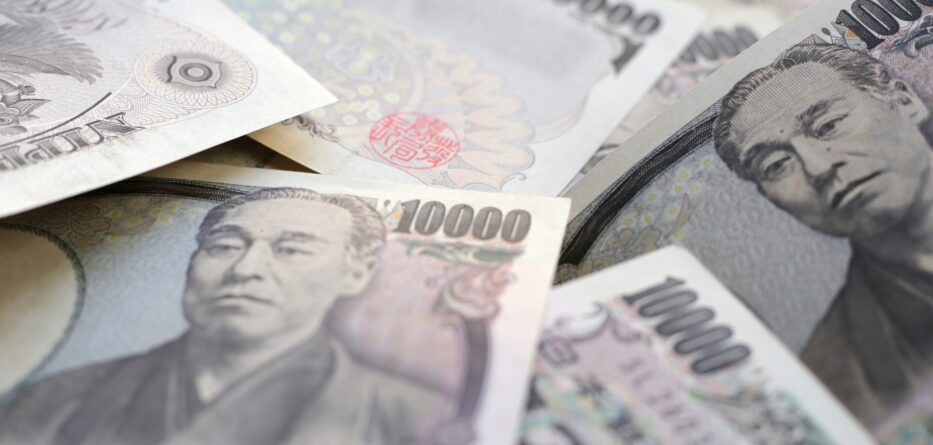
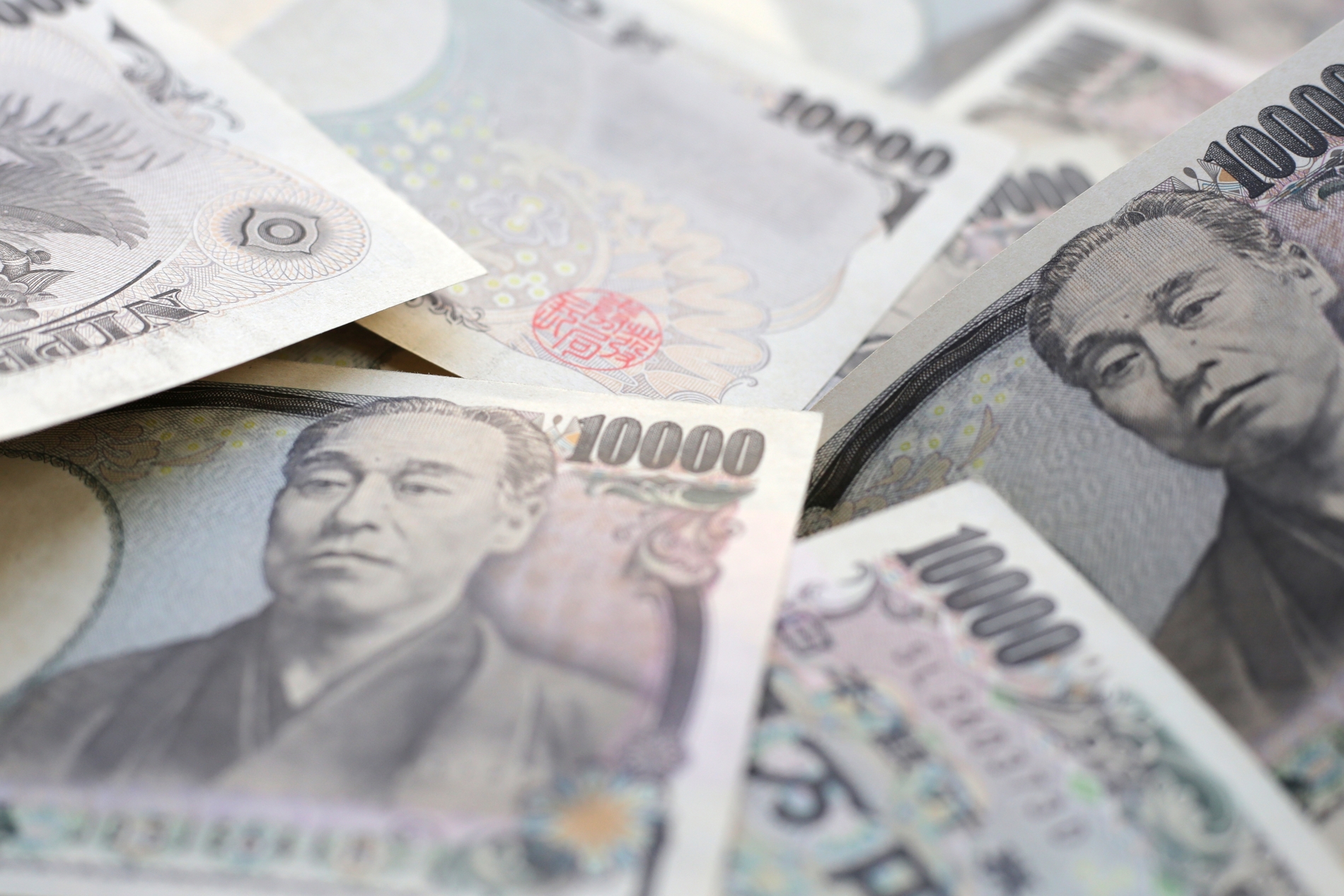
The Japanese yen has fallen to its weakest level against the U.S. dollar in nearly four decades, marking a major moment for global currency markets. The USD/JPY exchange rate recently climbed to its highest point since 1986, highlighting just how dramatically the balance between the two economies has shifted.
For investors, traders, and businesses, this move has become one of the most closely watched developments in international finance.
Why the dollar keeps getting stronger
One of the biggest reasons behind the yen’s decline is the growing gap between interest rates in the United States and Japan.
The U.S. Federal Reserve, led by Kevin Warsh, has maintained a firm stance against inflation. Policymakers have signaled that interest rates are likely to stay elevated for an extended period under a “higher-for-longer” strategy aimed at keeping price growth under control.
Higher interest rates generally make a country’s assets more attractive to investors because they offer better returns. As a result, many investors have shifted money toward U.S. markets, increasing demand for the dollar.
That growing demand has helped push the greenback higher against many currencies, but the impact has been especially noticeable against the yen.
Japan continues to move cautiously
While the Federal Reserve remains aggressive, the Bank of Japan has taken a much slower approach.
Japanese policymakers have been careful about tightening monetary policy too quickly, partly because the country has spent years trying to stimulate economic growth and encourage inflation. This cautious stance has left Japan with relatively lower interest rates compared with the United States.
For currency markets, that difference matters a great deal. Investors often borrow in low-interest currencies and invest in higher-yielding assets elsewhere, creating additional downward pressure on the yen.
As the gap between U.S. and Japanese interest rates widens, the incentive to hold dollars instead of yen becomes even stronger.
Warnings from Tokyo have had limited impact
Officials in Tokyo have repeatedly expressed concern about the pace of the yen’s decline. Japan’s Ministry of Finance has issued verbal warnings and suggested that authorities are monitoring currency movements closely.
However, markets tend to react more strongly to action than words.
Investors were looking for signs of direct intervention, such as large-scale currency purchases designed to support the yen. Since no aggressive intervention materialized, traders interpreted the situation as a signal that authorities were willing to tolerate further weakness.
That perception encouraged more buying of the U.S. dollar and helped push the USD/JPY pair toward historic highs.
What a weaker yen means for Japan
A weaker currency can have mixed effects on the economy. For exporters, it can be beneficial because Japanese products become cheaper and more competitive overseas.
At the same time, it can increase costs for consumers and businesses that rely heavily on imported goods, energy, and raw materials. Higher import prices can place additional pressure on households already dealing with rising living expenses.
For now, markets will continue watching whether Japanese authorities decide to intervene more forcefully. Until then, the combination of a strong U.S. dollar and Japan’s cautious monetary policy may keep the yen under pressure for some time to come.
A Deadly Extreme Heat Wave Grips Europe
-
Credit: Shutterstock When Albert Einstein reportedly called compound interest the “eighth wonder of the world,” he wasn’t talking about...
-
Credit: Shutterstock If “Trump Accounts” weren’t on your radar before, they probably are now. After a high-profile Super Bowl...
-
Credit: Shutterstock Gold prices surged to a historic high this week, crossing the $5,300 per ounce threshold as strong...
-
Credit: Shutterstock Bitcoin, the world’s largest cryptocurrency, has stumbled below the closely watched $89,000 level, reminding investors just how...
-
Credit: Shutterstock Bitcoin is back in the spotlight — and it’s making waves. The world’s largest cryptocurrency surged past...
-
Credit: Shutterstock Gold is having a moment — and it’s a big one. As global uncertainty rattles markets, gold...
-
Credit: Shutterstock Bitcoin gave the crypto community plenty to talk about this Christmas Eve, as prices dipped toward the...
-
Credit: Shutterstock For many Americans, opening a first savings or checking account is a milestone—maybe it’s where birthday money...
-
Credit: Shutterstock For many consumers, fully embracing digital banking remains a significant hurdle. Even as the digital landscape matures,...
-
Credit: Shutterstock A surprise economic plot twist may be brewing as America heads into the new year: millions of...
-
Credit: Shutterstock In a year when many Americans are clipping coupons, stretching paychecks, and comparison-shopping more than ever, one...
-
Credit: Shutterstock The conversation around potential $2,000 “tariff dividend” checks reached a new peak this week after President Donald...