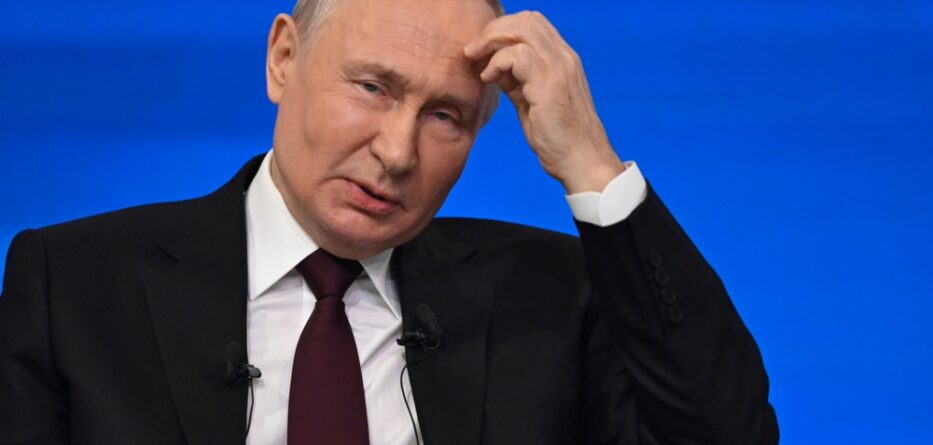
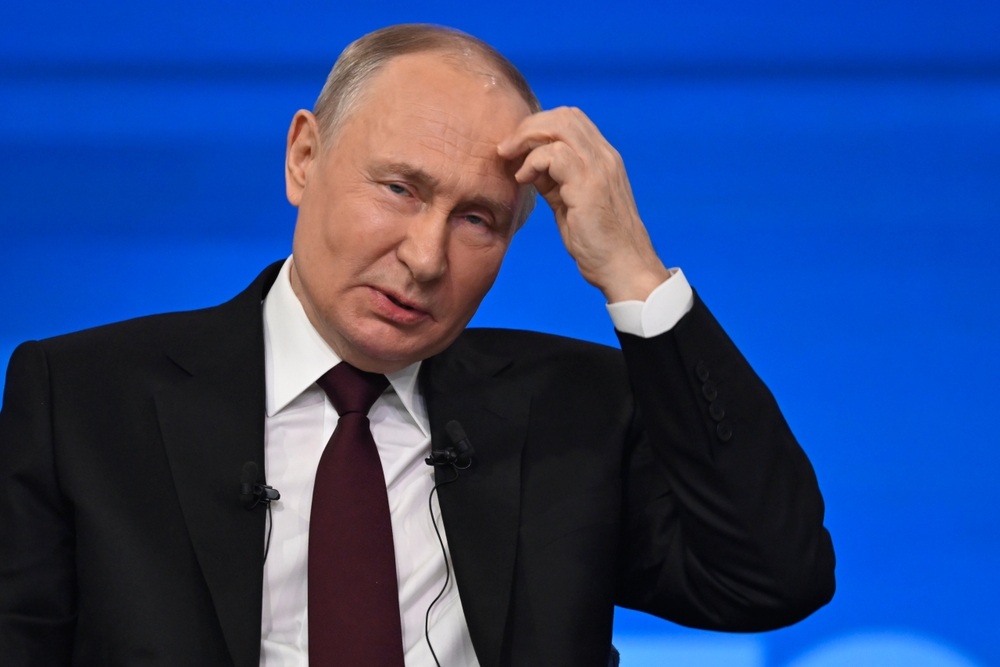
In a pivotal moment for global diplomacy, Russian President Vladimir Putin is set to meet U.S. special envoy Steve Witkoff in Moscow on Tuesday for discussions aimed at charting a path toward ending the war in Ukraine. The White House says it is feeling “very optimistic” about progress—signaling what many hope could be a turning point in the long-standing conflict.
Joining Witkoff is Jared Kushner, senior adviser to President Donald Trump, who has played a behind-the-scenes role in coordinating recent peace efforts. Their arrival in Moscow follows two days of intense negotiations in Florida between U.S. and Ukrainian officials, where refinements were made to a U.S.-backed peace proposal that has drawn mixed reactions across Europe.
Ukrainian President Volodymyr Zelensky described the Florida talks as “constructive,” while acknowledging that “tough issues still remain”—chief among them Ukraine’s sovereignty, security guarantees, and disagreements over territory. “The territorial question is the most difficult,” Zelensky emphasized, reaffirming Kyiv’s longstanding position against ceding control of regions still under Ukrainian authority.
The Kremlin confirmed that Witkoff and Putin will meet in the second half of Tuesday. Expectations are high following Russia’s recent claims of capturing key towns in eastern and northeastern Ukraine—claims Ukrainian officials have not confirmed, with independent monitoring suggesting the battles remain ongoing.
Ahead of the Moscow summit, Witkoff also met with UK Prime Minister Sir Keir Starmer, Zelensky, and chief Ukrainian negotiator Rustem Umerov. Several European leaders joined Monday’s Zelensky-Macron meeting virtually, underscoring growing international coordination.
White House Press Secretary Karoline Leavitt noted that the draft peace framework has been “significantly refined,” adding that the U.S. is feeling encouraged: “We’re hopeful this war can finally come to an end.”
Still, challenges loom. While Putin recently said the U.S. proposal could serve as a “basis” for future agreement, Kremlin officials later voiced doubts after Ukraine and European partners negotiated modifications to the original draft—particularly on matters such as frozen Russian assets, Ukrainian market rights in Europe, and territorial arrangements.
French President Emmanuel Macron stressed in Paris that there is currently “no finalized peace plan,” emphasizing that Europe and, most importantly, Ukraine must remain central to the process. He reiterated that any decision on territorial issues rests solely with President Zelensky.
European Union foreign policy chief Kaja Kallas warned that Moscow may try to shift pressure onto Kyiv, calling this week “pivotal” but cautioning against any settlement that forces Ukraine into concessions that undermine sovereignty.
Security guarantees for Ukraine—potentially involving NATO—remain another sensitive issue. While Kyiv seeks long-term protection from future aggression, Russia strongly opposes NATO expansion and President Trump has said he is not in favor of Ukraine joining the alliance.
Despite the hurdles, today’s meeting in Moscow is being viewed as one of the most consequential diplomatic encounters since the conflict’s escalation in 2022. With U.S., Ukrainian, and European officials all signaling cautious optimism, the world will be watching closely to see whether this round of talks can bring a long-awaited step toward peace.


-
 Credit: Shutterstock Udaipur witnessed a glittering fusion of Hollywood, Bollywood, and high society this week as global icon Jennifer...
 -
Credit: Shutterstock Following a horrifying road accident involving Umrah pilgrims on the Mecca–Madinah highway late Sunday night, India is...
-
Credit: Shutterstock The world is reeling from the irony this week after reports confirmed that over 100,000 trees were...
-
Credit: Shutterstock As Hurricane Melissa tore across the Atlantic, shattering records and testing the limits of modern aircraft, a...
-
Credit: Shutterstock Royal Lodge Shake-Up: Andrew and Fergie Plan Their Exit In a development that has stirred fresh waves...
-
Credit: Shutterstock Hamas Violence Sparks Fears of Peace Deal Collapse Amid Growing Power Struggle in Gaza Alarming new footage...
-
Credit: Shutterstock Muswell Hill had a lovely start to the Monday morning. Sunlight danced off the windows, the sky...
-
Credit: Shutterstock Trump’s Ironic Statements at the UN President Donald Trump shook up the United Nations General Assembly this...
-
Credit: Shutterstock Is Israel Really Our Ally? Israel’s airstrikes on Doha, Qatar, on September 9, 2025, didn’t just eliminate...
-
Credit: Shutterstock Tensions flared overnight as U.S. President Donald Trump condemned Israel’s surprise airstrikes in Qatar, which left five...
-
Credit: Shutterstock What began as a rare show of unity at the White House on Monday quickly turned into...
-
Credit: Shutterstock Granada Beach Turns Into Real-Life Thriller as Migrants Swim Ashore In a scene that left beachgoers stunned...