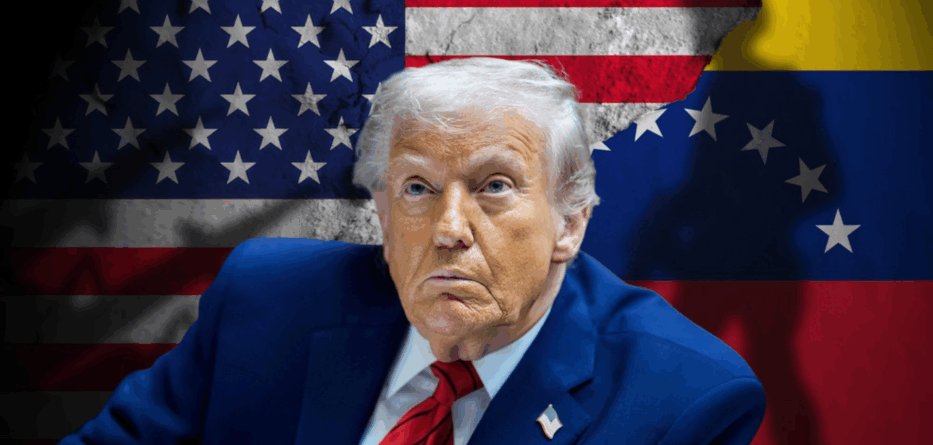
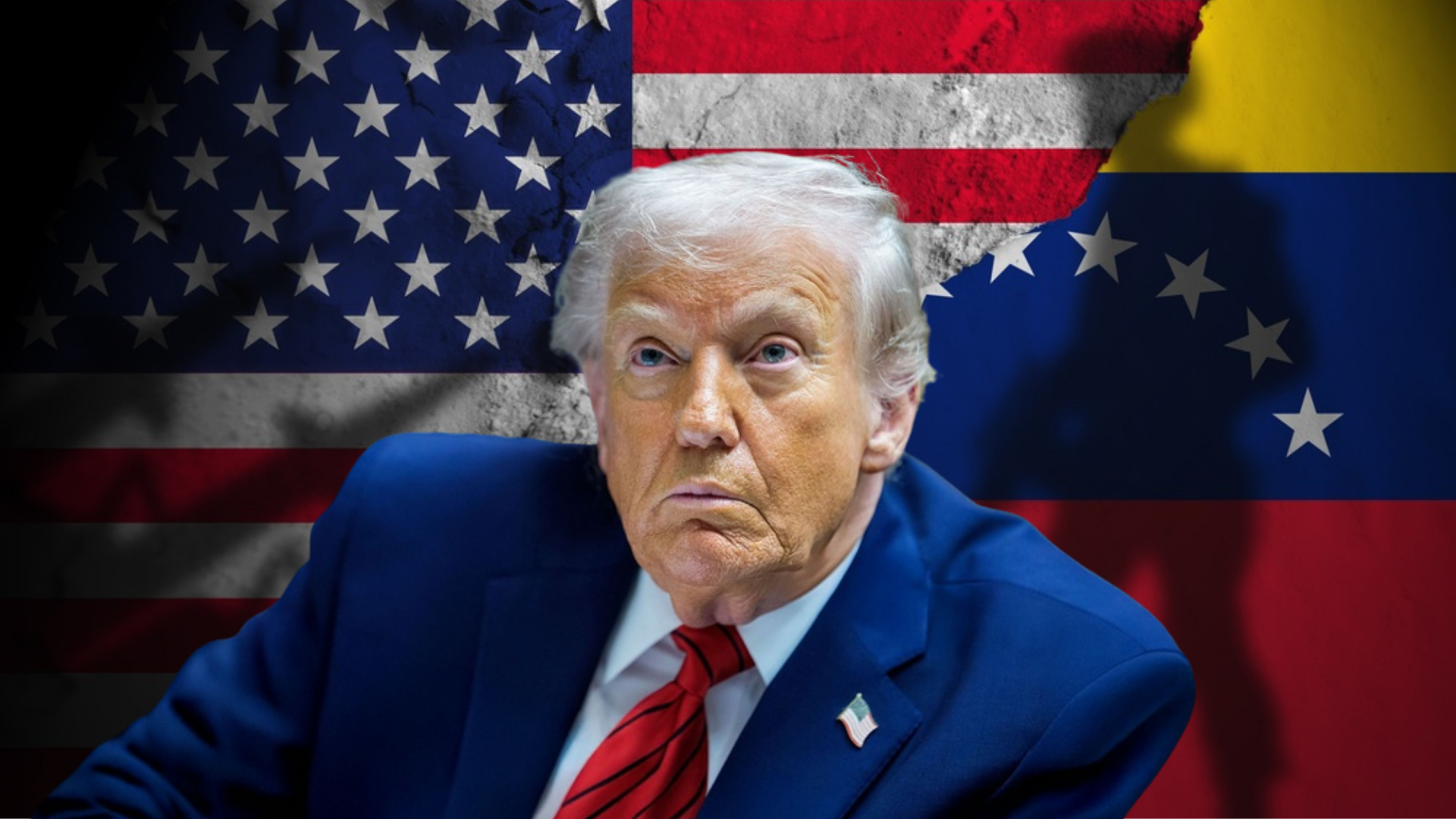
Political tensions across the Americas surged this weekend after former U.S. President Donald Trump issued stark warnings toward Colombia, even as Venezuela’s acting president appealed to the international community for peace, dialogue, and restraint.
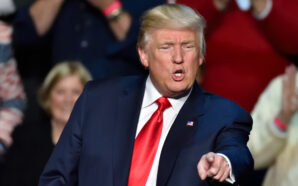
Speaking to reporters aboard Air Force One, Trump suggested that Colombia could face serious consequences following U.S. military action against Venezuela, declaring that Washington was now “in charge” after the arrest of Venezuelan leader Nicolás Maduro. His remarks included sharp personal criticism of Colombia’s leftist President Gustavo Petro, whom Trump accused of links to drug production and warned to “watch himself.”
When asked whether Colombia could be the next target of U.S. military action, Trump responded bluntly that the idea “sounds good,” comments that quickly reverberated throughout Latin America and beyond.
The statements followed Petro’s own condemnation of U.S. actions in Venezuela, which he described as an attack on the sovereignty of the region. Petro later fired back on social media, urging Trump to stop what he called slander and emphasizing that “friends do not bomb.”
🇺🇸 President Trump delivers a brutal warning to Venezuela’s new leader Delcy Rodríguez
“If she doesn’t do what’s right, she will pay a very big price probably even bigger than Maduro.”
A clear FAFO message as tensions explode 🔥🇻🇪🇺🇸 pic.twitter.com/QJ8B1kq35p
— WAR (@warsurveillance) January 4, 2026
Amid the heated rhetoric, a markedly different tone emerged from Caracas. Acting Venezuelan President Delcy Rodríguez addressed the world with a call for calm, urging nations to prioritize diplomacy over conflict.
“Our peoples and our region deserve peace and dialogue, not war,” Rodríguez said, adding that Venezuela seeks balanced and respectful relations with the United States within the framework of international law. She also extended an invitation for cooperation focused on shared development and long-term coexistence.
The future leadership of Venezuela remains uncertain. While Trump claimed U.S. control, senior figures within Venezuela’s ruling party insisted that Nicolás Maduro remains the country’s lawful president, dismissing external pressure as provocation.
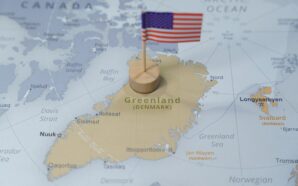
The weekend’s developments unfolded against a backdrop of broader U.S. foreign policy signals. Trump reiterated his administration’s intention to reassert American influence across the Western Hemisphere, referencing long-standing doctrines and even reviving his controversial interest in Greenland, citing national security concerns.
With Maduro scheduled to appear in federal court in New York and diplomatic tensions escalating from Caracas to Bogotá, the region faces a pivotal moment. As political leaders trade sharp words, Rodríguez’s call for peace and dialogue stands in contrast — a reminder that amid uncertainty, many are urging cooler heads and cooperative solutions over confrontation.
-
 Credit: Shutterstock Poland is opening a wide-ranging investigation into possible links between Jeffrey Epstein’s sex-trafficking network and Russian intelligence...
 -
Credit: Shutterstock The U.S. Department of Justice on Friday unveiled its most extensive disclosure yet in the Jeffrey Epstein...
-
Credit: Shutterstock In a dramatic reset aimed at cooling tensions, Border Czar Tom Homan has ordered Border Patrol leadership...
-
Credit: Shutterstock What began as a high-profile factory tour quickly turned into a headline-making moment that’s now fueling conversations...
-
Credit: Shutterstock Former President Donald Trump has once again ignited global controversy—this time by reviving his push for U.S....
-
Credit: Shutterstock Minnesota Governor Tim Walz responded Sunday to mounting concerns over a major fraud scandal after a viral...
-
Credit: Shutterstock The Department of Justice has reversed course and restored previously removed images from the Jeffrey Epstein document...
-
Credit: Shutterstock The world of film, television, and political activism is reeling from the sudden and devastating news of...
-
Credit: Shutterstock JPMorgan Chase CEO Jamie Dimon delivered an unusually direct rebuttal this week after Trump Media & Technology...
-
Credit: Shutterstock A shocking new 115-page report has peeled back the curtain on life inside the FBI under Director...
-
Credit: Shutterstock Bay Area residents who recently glanced up over the Golden Gate Bridge were treated to an unexpected...
-
Credit: Shutterstock As President Donald Trump abruptly turned against Rep. Marjorie Taylor Greene, one of his most vocal supporters,...