

Are Things Good Now?
If you’ve been following the news lately, you know that things between the U.S. and China are pretty tense. From trade wars to tech restrictions, the relationship between these two global giants is more complicated than ever. Let’s break down what’s going on in simple terms.
Trade Tensions Are Heating Up Again
Earlier this year, the U.S. and China agreed to a temporary truce to ease their ongoing trade war. They both reduced some tariffs, aiming to smooth things over. But that peace didn’t last long. The U.S. imposed new restrictions on AI chip exports and revoked visas for Chinese students, actions that China claims violate the agreement. In response, China criticized these moves and warned of possible retaliation.
Rare Earth Minerals: A Strategic Standoff
China holds a near-monopoly on rare earth elements, which are essential for electronics, electric vehicles, and military equipment. Recently, China has tightened export controls on these minerals, causing concern in the U.S. This move is seen as a significant obstacle in trade talks, with the U.S. accusing China of leveraging its dominance to gain an upper hand.
Tech Restrictions and Student Visa Revocations
The U.S. has been cracking down on China’s access to advanced technologies. This includes halting the sale of chip design software and revoking visas for Chinese students, especially those in sensitive fields. These actions have further strained relations, with China accusing the U.S. of undermining the trade truce and escalating tensions.
Military Tensions in the Asia-Pacific
Beyond trade and technology, military tensions are also rising. The U.S. has warned allies in the Indo-Pacific region about an “imminent” threat from China, particularly concerning Taiwan. China, in turn, has accused the U.S. of inciting conflict and interfering in regional peace. Both nations are ramping up their military presence and alliances in the region, adding another layer of complexity to their relationship.
A Glimmer of Hope?
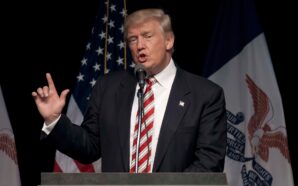
Despite the escalating tensions, there are signs that both countries are seeking to ease the situation. Reports suggest that U.S. President Donald Trump and Chinese President Xi Jinping may speak soon, potentially paving the way for renewed negotiations and a de-escalation of the trade war.
In summary, the U.S.–China relationship in 2025 is marked by heightened tensions across trade, technology, and military domains. While there are efforts to manage these disputes, the path forward remains uncertain.

-
 Credit: Shutterstock Minnesota Governor Tim Walz responded Sunday to mounting concerns over a major fraud scandal after a viral...
 -
Credit: Shutterstock The Department of Justice has reversed course and restored previously removed images from the Jeffrey Epstein document...
-
Credit: Shutterstock The world of film, television, and political activism is reeling from the sudden and devastating news of...
-
Credit: Shutterstock JPMorgan Chase CEO Jamie Dimon delivered an unusually direct rebuttal this week after Trump Media & Technology...
-
Credit: Shutterstock A shocking new 115-page report has peeled back the curtain on life inside the FBI under Director...
-
Credit: Shutterstock Bay Area residents who recently glanced up over the Golden Gate Bridge were treated to an unexpected...
-
Credit: Shutterstock As President Donald Trump abruptly turned against Rep. Marjorie Taylor Greene, one of his most vocal supporters,...
-
Credit: Shutterstock In a dramatic twist that’s sent shockwaves through both sides of the Atlantic, U.S. President Donald Trump...
-
Credit: Shutterstock President Donald J. Trump sparked fresh political fireworks during a wide-ranging interview on CBS’ 60 Minutes, revealing...
-
Credit: Shutterstock While government offices sit quiet amid the ongoing federal shutdown, the White House grounds are anything but...
-
Credit: Shutterstock Everything You Need to Know President Donald Trump accused Senate Democrats of “holding the federal government hostage”...
-
Credit: Shutterstock Ruling marks key step in ongoing legal fight over federal authority and state control The Ninth Circuit...