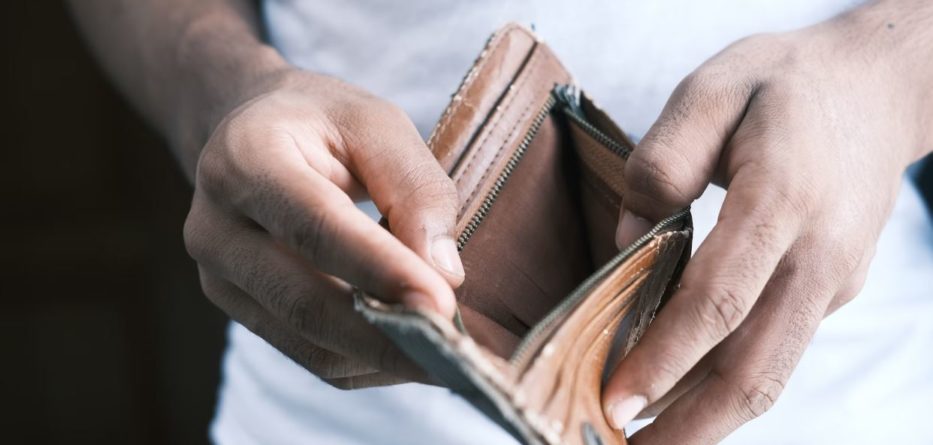

Pandemic-era policies have reduced rates of poverty and lack of insurance.

According to the latest report from the United States Census Bureau, various policies implemented at the height of the COVID-19 pandemic have had a positive knock-on effect for those on the lower rungs of the economic ladder. Specifically, instances of poverty, especially child poverty, as well as uninsured individuals, are down notably.
Childhood poverty in the U.S. fell by almost half last year, according to Census Bureau data. The drop coincided with the expansion of the federal government’s child tax credit and the distribution of pandemic stimulus payments. https://t.co/fMQkHLTGY3
— The Associated Press (@AP) September 13, 2022
According to the report, child poverty dropped from 9.7% in 2020 down to 5.2% in 2021, while the overall poverty rate fell to 8% from 9.2%. Analysts have attributed much of this positive movement to the child tax credit that was instated as part of 2021’s American Rescue Plan, which provided millions of lower-income American families with tax breaks to afford familial essentials.
“They spend it on their housing, food, education, they’re able to do some of those extracurricular activities that high income families take for granted,” Center on Budget and Policy Priorities researcher Sharon Parrott told NPR. “They are investing in their kids and their families are able to make ends meet in really important ways.”
Poverty in the U.S. fell to the lowest level on record in 2021, driven by a second year of emergency pandemic aid from the federal government, the Census Bureau reported on Tuesday. The number of poor children in the country fell by nearly half. https://t.co/ZvyTcse1GX
— The New York Times (@nytimes) September 13, 2022
However, experts have cautioned that, if the pandemic policies are ended whenever COVID-19 is no longer considered a medical emergency, these improvements could be quickly reversed.
“As soon as the public health emergency is declared over – which could be as early as January – that safety net that was in that COVID relief bill goes away,” said Sabrina Corlette of the Georgetown University Center on Health Insurance Reforms. “And so we could see this historic increase in the rates of the insured be reversed.”
Antonio Banderas Reflects on 2017 Heart Attack
-
Credit: Shutterstock Bay Area residents who recently glanced up over the Golden Gate Bridge were treated to an unexpected...
-
Credit: Shutterstock As President Donald Trump abruptly turned against Rep. Marjorie Taylor Greene, one of his most vocal supporters,...
-
Credit: Shutterstock In a dramatic twist that’s sent shockwaves through both sides of the Atlantic, U.S. President Donald Trump...
-
Credit: Shutterstock President Donald J. Trump sparked fresh political fireworks during a wide-ranging interview on CBS’ 60 Minutes, revealing...
-
Credit: Shutterstock While government offices sit quiet amid the ongoing federal shutdown, the White House grounds are anything but...
-
Credit: Shutterstock Everything You Need to Know President Donald Trump accused Senate Democrats of “holding the federal government hostage”...
-
Credit: Shutterstock Ruling marks key step in ongoing legal fight over federal authority and state control The Ninth Circuit...
-
Credit: Shutterstock The White House grounds haven’t seen a sight like this in decades — cranes, bulldozers, and construction...
-
Credit: Shutterstock Peaceful rallies across all 50 states mark one of the largest single-day protest movements in U.S. history...
-
Credit: Shutterstock The end of quantitative tightening may not be the market boost it appears to be Federal Reserve...
-
Credit: Shutterstock Here’s Everything You Need to Know On October 6, 2025, the U.S. Supreme Court quietly slammed the...
-
Credit: Shutterstock Elon Musk has taken aim at one of the most powerful civil rights groups in America, the...